SCOTTISH HIP-HOP AND THE CRITICS WHO NEVER SHOWED UP
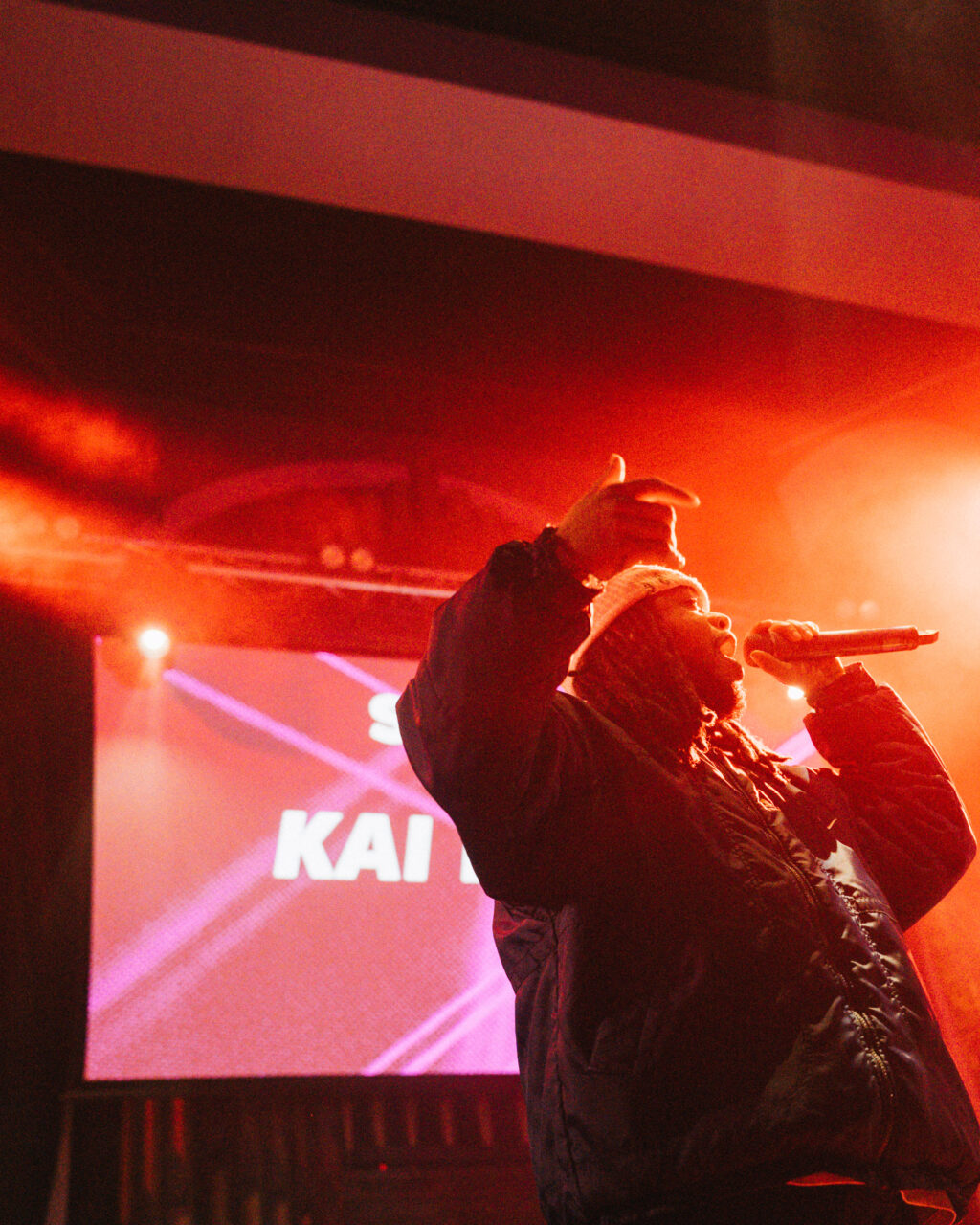
Kai Reesu (Anni Cameron)
It was a Thursday night in Edinburgh’s Sighthill Shopping Centre, in the scheme, and if I’m honest I’d been sitting about for weeks, numbing it, not really living. Head down, curtains shut, the usual. Then I nearly walked through someone’s music video. A rapper from the area filming in the street with his mates. Camera on roller skates, beats on a speaker, locals drifting over from the pub getting waved in. Come here, come chat. I had some spare chips from the Chinese. Offered them round.
One of the vocalists from Kai Reesu — Scottish Album of the Year 2025 — asked if there was any tomato sauce. There wasn’t. We dapped up, swapped names. I told them I write for Northern Exposure. They told me what they do. Just a group of talented people, hyping each other up, making something. Nobody waiting for permission.
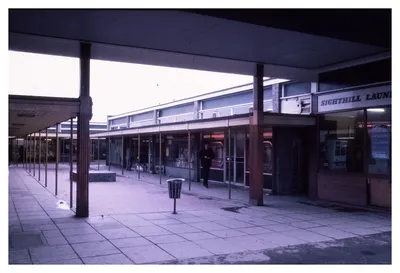
I went home feeling like the world was real again.
That’s the thing about this scene. And the people writing about music for a living have no idea it exists.
This isn’t a new complaint. It just keeps being true.
In 2014, Young Fathers won the Mercury Prize. They were, at that point, virtually unknown outside Edinburgh — not because they hadn’t been making music, but because the press hadn’t been paying attention. When they finally did win, the response from parts of the media wasn’t embarrassment at having missed them. It was irritation that the band refused to perform gratitude. One journalist warned that giving the prize to someone “as unhelpful as Young Fathers” might cause a press blackout. Think about that. Not: we should have known about this band years ago. But: how dare they not make our job easier. The coverage was the story, and the band were an inconvenience inside it.
Ten years later, English Teacher became the first winner from outside London since Young Fathers. A decade. One Scottish winner, treated as a disruption, in ten years of the country’s most prestigious album prize.
Stanley Odd have been making politically sharp, technically accomplished hip-hop since 2009. The Skinny once wrote that in a sane world they’d be more popular than Snow Patrol. That quote has lived rent-free in Scottish music circles ever since, partly because it’s true, and partly because it was written in a Scottish magazine — meaning the people it needed to reach never read it. When ‘Son I Voted Yes‘ went viral in 2014, one of the few pieces of wider coverage started with the line: “Scotland and hip-hop might not forge an immediate connection in the mind.” That sentence, intended as a compliment, is the problem in twelve words. Even when they’re praising you, they’re starting from surprise. You shouldn’t be here. But here you are. Well done.
And then there’s Darren McGarvey.
Loki — his rap name, the one he’s carried since 2004 — is one of the most significant voices Scottish hip-hop has produced. Not the kind of significant that gets you a profile in a national newspaper. The other kind: community organiser, political educator, one of the people most responsible for making a Scottish accent feel native to the music rather than a novelty act. He was rapping about poverty, addiction and structural neglect before the people with the column inches had any interest in what was happening up here.
Years of conceptual albums, BBC Radio Scotland programmes, grassroots gigs, youth work. The national press coverage was almost nonexistent. Not because the work wasn’t good enough — his 2014 album Government Issue Music Protest painted a dystopian vision of Scotland twenty years into the future that reads uncomfortably close to the present. But because nobody in the right postcode knew what to do with it.
Then Poverty Safari came out. A book. It hit the Sunday Times top ten, won the Orwell Prize, and suddenly Darren McGarvey was on Question Time, writing for the Guardian and the Independent, presenting BBC documentaries. Same brain. Same politics. Same working-class attitude. Different container.
His final rap album was titled Not Funded by Creative Scotland. He put the diagnosis on the cover and walked away from the alias. The critics who should have been paying attention for twenty years were still somewhere else.
It’s not just ignorance. It’s that the critical establishment is London, it’s middle class, and it has never had to know what Sighthill means. So it doesn’t. It can’t tell the difference between an accent used as gimmick and an accent used as mother tongue. So it either ignores the work entirely, or praises it as surprising — which is the same thing dressed up as a compliment.
Kai Reesu won Scottish Album of the Year with a debut record blending jazz, hip-hop, grime and psychedelia. Made on a shoestring, built in community, performed at Kelburn and the Edinburgh Jazz Festival. They stood up at the ceremony and said: we were honestly just having fun. That’s not naivety. That’s just what it looks like when nobody’s waiting for a thumbs up from London. And that same energy — that same scene — was out in Sighthill on a Thursday night, making things, unbothered.
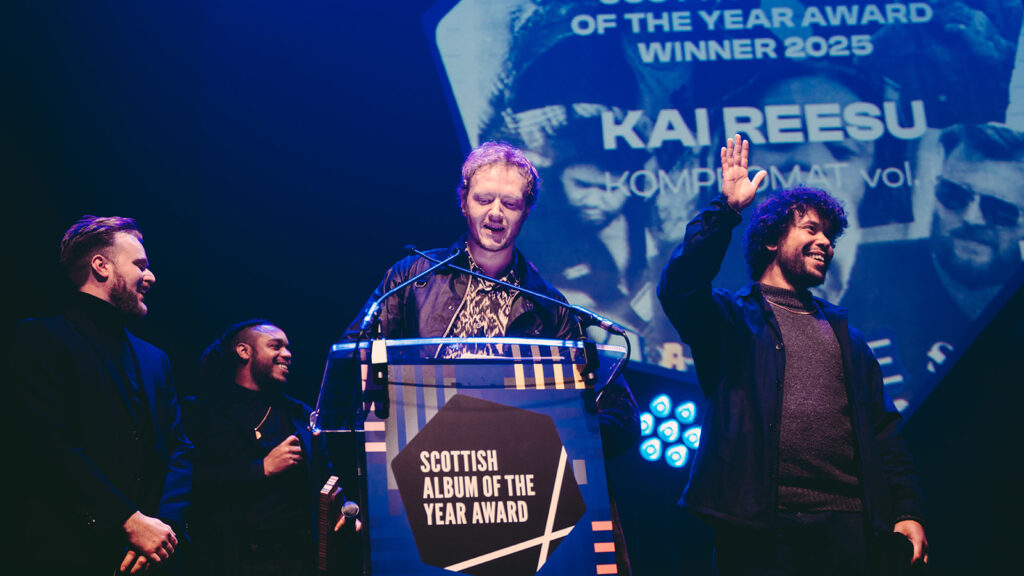
The Scottish hip-hop scene has been doing that for twenty years. It’s won prizes, made politically essential records, built communities.
The question isn’t whether Scottish hip-hop is good enough. That was answered a long time ago. The question is what we lose when the people who shape the national conversation about music have never had to care about any of this.