FONTAINES D.C. PULL IT BACK WITH TONGUE
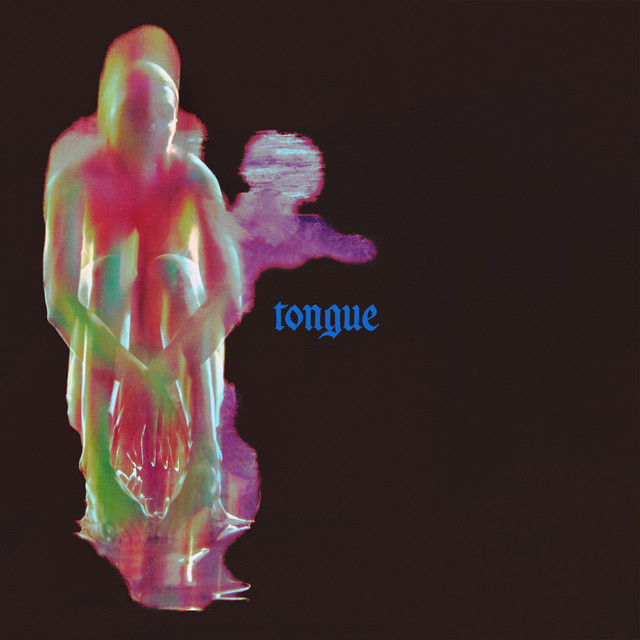
I’ve seen it a million times: you follow a band through the climb, they get massive, and the next releases are generic chart-topping bollocks. You get that quiet dread when your favourite band starts sounding like they’re on the path to selling out. Kings of Leon, Biffy Clyro, the list goes on. Everything you loved gets sanitised, or maybe I should say monetised. I thought that was Fontaines D.C., until Tongue showed up.
Forget the usual comparisons, Fontaines D.C. have moved far beyond that bracket. With “Tongue,” they surprise by doing everything possible to hide themselves behind closed studio doors. The single sounds tired, not necessarily broken, but just drained in the way faces always seem to look, anticipating the next confrontation.
Five albums’ worth of crafting how to make something small feel huge and global, and despite its volume, “Tongue” remains intensely personal. This song drags with the weight of the bassline, divides and weakens with the fractured voice, as Chatten addresses himself and realises the futility of the answer. His monotonous repetition of the same phrase around the same wound is reminiscent of the attempt to articulate an indescribable feeling. There’s no urgency here to turn this into a chart smash. The fact it doesn’t thrills me, it’s autumn, the nights are drawing in, and Fontaines are getting darker with them. Just when I thought I was about to lose them to the music‑industry ether, they drop this. Thank God for the Irish.
The verse feels like a careful attempt to flirt with pain and to explore each other’s depth, and the line ‘I think you know’ comes across as a gesture of respect. Then this song continues to apologise for the call it will make again. Harm, apology, repeat. The entire song has a disturbing and unsettling rhythm, which is slightly skewed, and yet manages to keep you hooked to it, despite the fact that listening to it makes you feel almost guilty for completely getting immersed into its lyrics.
The Adderall line is deliberately brutal, not because of the drugs, but because it deals with the enormity of the problem that he is facing, one that is even bigger than what he would ever be able to ingest voluntarily into his body.
The chorus here is not the same as in previous Fontaines songs, because instead of a loud call and response, it feels quieter and more uncertain. Nobody is expected to answer in a shout this time; it is some kind of testing whether speech means anything if it goes into the empty air. “Am I allowed to say it if nobody’s gonna listen?” It is the kind of question you make if you already started speaking. In that imagined future, the shared competition is already a loss: one person is still counting, another watching happiness disappear and trying to identify it.
This song might look menacing at first, but what really lingers is how close it gets, how unguarded it feels. A voice that could flatten you chooses instead to lean in. I expected another Fontaines anthem, something built to be shouted back at them from a field. Instead, Tongue stays small and uncomfortable, a song that sits in your chest and refuses to move. It doesn’t ask you to rise to it; it asks you to admit what you’re already carrying. And that’s the sting, not the darkness, not the threat, but the quiet honesty of a band letting the mask slip and trusting you to notice.


WORDS AND COVER IMAGE RACHEL BROWN