THE GOOD, THE BAD AND THE UGLY. WHO IS REALLY KILLING THE GRASSROOTS MUSIC SCENE?

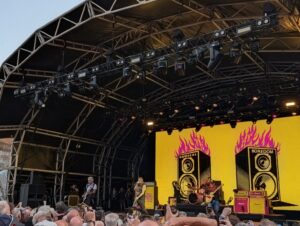
Crowds gather for 20 Years of Bloc Party (Maggie Zhu/Northern Exposure)
It is no secret that local music scenes in the UK are still struggling. Despite rock-solid efforts from the Music Venue Trust and many mainstream bands donating £££ from ticket sales, things are extremely hard out there. Nepotism is rampant, and venues are closing every day. This issue was brought up in a conversation this week, where legacy bands were directly blamed for the state of the unsigned music scene, and I have to admit, I was taken slightly aback. Additional comments suggested that the media contributes to this problem as well. As a non-profit grassroots magazine, thats lost money trying to help the grassroots music scene rather than profit from it, I wanted to pull this apart a bit, looking at the varying influences that impact the decline of grassroots music, the good, the bad, and the ugly.
THE GOOD
Thank the lord for the Music Venue Trust, I mean, we’d be in a much worse state than we’re in right now (if that’s possible), without these guys and girls who work tirelessly to save the grassroots movement. The Liveline Fund is one of their fantastic initiatives, working with another heroic organisation, Save Our Scene. It is called the Liveline Fund, which calls for brands, bands, premises, and organisations to donate directly to help strengthen the grassroots music scene. I mean, this is important, all bands start somewhere. How do we expect the next generation of artists to flourish if there are no spaces to flourish in? Bands making millions should be part of the solution by supporting the Liveline Fund. The government is planning to introduce a ticket levy in 2025, but the money won’t start flowing until 2026, which means a small portion of ticket sales from big arena and stadium shows will go directly to support grassroots music venues. This idea is backed by Mark, the founder of Music Venue Trust, who says it could be a lifeline for struggling local venues. It’s a way to make sure that money from major concerts helps keep smaller stages alive for new and unsigned artists.
However, despite their relentless efforts, venues are still closing, new bands are still struggling to book gigs, and festival schedules consist largely of familiar names. There is a huge interest among people in old bands, reunion tours, and one-off comeback shows. It is logical that if a beloved band returns for massive one-off shows, people will buzz about it. But often, it is not just die-hard fans snagging tickets. Nostalgia and buzz surrounding ‘the big event’ lure many people in, increasing the popularity of these bands beyond their core fans. But is any of this responsibility to be shouldered by older bands, bands that were established names years ago?
Legacy Bands
Legacy bands aren’t the issue in my opinion, they’re the foundation upon which today’s music scene was built. These bands created the same stages that new bands today look to stand on. Their ongoing popularity sustains festivals economically, brings people to stages, and supports the music economy. Many events would fail to cover costs without legacy bands. Without them, many festivals would not be financially viable.
Many veteran music groups actively support the grassroots music scene in tangible ways. They regularly invite emerging artists to open for them on tour, offering invaluable exposure and experience to acts that might otherwise struggle to find an audience. Beyond the stage, some legacy bands contribute financially to music education initiatives, fund scholarships, or partner with organisations that provide instruments and mentorship to young musicians. They also use their platforms to speak out about the crisis facing small venues, highlighting closures, lobbying for policy change, and amplifying the voices of those fighting to keep local music alive.
Still, I feel compelled to say it again, much of this continues to happen through what I’d consider unfair means, personal connections, friends of friends, and closed circles. There absolutely needs to be a more equitable system in place, one that gives bands without industry ties a genuine chance to perform.
Promoters like Nice Swan Records, This Feeling, and B12 Entertainment, whom we work with, stand out as positive forces, as do many festivals providing these promoters with stages where grassroots bands can perform. They consistently champion artists from across the UK and beyond, regardless of who they know or what networks they’re part of. It’s also time for more businesses and corporations to step up and invest in sponsorship. Music is a universal language we all connect with, and it’s only right that we back the individuals working tirelessly to keep these grassroots movements alive. Their passion fuels the culture, now they need our support to keep it burning.
Blanket blaming these legacy artists for the broader decline in grassroots music misplaces the issue. The challenges facing new bands, skyrocketing rents, lack of government arts funding, exploitative streaming models, and media gatekeeping are rooted in systemic failures, not the continued success of older acts. These problems stem from industry structures and economic pressures that affect everyone, regardless of age or genre. Legacy bands didn’t create these conditions, and many are working to help dismantle them.
Also, recent psychological and neuroscience research shows that nostalgic music isn’t just comforting, it’s emotionally restorative. Studies from Psychology of Music and USC reveal that nostalgia helps regulate mood, boosts self-esteem, and activates brain regions tied to memory and reward. In times of stress or uncertainty, people instinctively turn to the familiar sounds of the past to feel grounded. So when legacy bands return for reunion tours, it’s not just about the music, it’s about emotional refuge and returning to a place where things were more than likely easier.
Legacy bands matter to culture. They connect various generations, inspire newer artists, and teach us why live music is relevant. Their presence is not a roadblock, but a link.
THE BAD
Legacy groups still receive most of the coverage, and some also refuse to promote newer bands. Most festival rosters have repeated massive names from one year to the next, with very little space for new talent. It makes it hard to be recognised by new artists, to be supported financially, and to be awarded stage time.
The industry’s preoccupation with the past can deter new artists from innovating. When promoters opt for safe ticket sales over risking innovation with art, it produces a music culture where everything sounds the same. New artists have to fight with tribute bands and veteran groups for a handful of slots, often to the detriment of originality.
Legacy bands will never literally close down venues with their own music, but their dominant presence in media and massive booking funds hinders newer artists from being listened to. To have a vibrant and diverse music scene, we have to make space for new voices, instead of only paying tribute to what has occurred.
THE UGLY
On Nepotism and Opportunity
While legacy bands often get the blame for dominating lineups, a quieter but equally damaging force is nepotism the tendency for opportunities to circulate within closed networks of industry insiders, friends, and family. It’s not just who you know, it’s who you’re related to, who you went to school with, or who owes you a favour.
In today’s scene, many emerging artists find themselves locked out of key opportunities, not because they lack talent, but because they lack connections. Booking agents, label reps, and festival organisers often recycle the same names, favouring acts with industry ties over those grinding at the grassroots level. This creates a feedback loop where visibility and access are reserved for the already connected, while genuinely fresh voices are sidelined.
While nepotism is undeniably rife in the music industry, I don’t believe individuals should be dismissed or discriminated against purely because of who their parents are. Having connections doesn’t automatically mean someone hasn’t worked hard or earned their place. In fact, many artists with industry parents are pushed to prove themselves even more, knowing they’ll be judged harshly or accused of riding coattails. I have seen this with my own eyes, and some artists are pushed even harder by their parents to put in the graft.
Yes, a financial safety net can offer stability in terms of rehersing, maybe been able to not work and focus fully on music, but it definitely doesn’t guarantee talent, drive, or resilience. The real issue isn’t that some artists have support, it’s that others don’t. The focus should be on levelling the playing field, not tearing down those who happen to start from a different position, however unfair that may seem.
At the end of the day, nepotism doesn’t just affect artists; it affects everything. It breeds a culture of gatekeeping, where innovation is stifled and diversity suffers. If we want a truly inclusive and vibrant music scene, we need to challenge these closed circuits and demand transparency in how opportunities are distributed. We need more money injected into working-class bands, grassroots venues, magazines, and organisations.
Are All Bands Ready Or Good Enough?
Beyond nepotism and gatekeeping, there’s another uncomfortable layer to this conversation, one that rarely gets voiced. The truth is, not every band is ready for the stage, and not every artist is at the level required to break through. But in a scene built on support and solidarity, saying that out loud feels like betrayal.
I’ve watched countless acts rise from the grassroots level getting better and better, whilst doing Northern Exposure, bands like Fontaines D.C., Slaves (now Soft Play) Kneecap, Tom Grennan and Gerry Cinnamon playing to 50 people in London to thousands, The K’s, and many more. Before NE I watched the Arctic Monkeys implode, Kings Of Leon, Biffy Clyro and others. These bands didn’t just appear fully formed, they started small, grew, evolved, and earned their place through graft, development, and resilience. That journey matters. They should not be berated for it.
This doesn’t mean those artists lack potential. It means the system needs to offer development, not just exposure. We need more affordable rehearsal spaces, mentoring programmes, and constructive feedback, not just a slot on a lineup. The grassroots scene thrives when it nurtures talent, not just showcases it.
So while it’s tempting to blame legacy acts or industry bias, we also need to ask, are we giving new artists the tools to grow, or just throwing them into the deep end and hoping they swim?
CONCLUSION
It’s frustrating when some artists direct their anger at legacy bands, as if the mere existence of older acts is the root of grassroots struggles. That’s too simplistic. Legacy bands aren’t the problem, they’re part of the ecosystem. They built the stages, inspired generations, and still bring people through the doors. But let’s be honest, the current system isn’t fair.
What does deserve scrutiny is dynamic pricing. It’s turned ticketing into a bloodsport, where fans are priced out and loyalty means nothing. It’s not just bad, it’s corrosive. If we’re serious about supporting new music, then it’s time for everyone, legacy acts included, to give back. Not just with words, but with money. A portion of ticket sales should of course go directly to initiatives like the Music Venue Trust, which are out there doing the real work, keeping small venues alive, and giving emerging artists a stage.
This isn’t a polite suggestion, it’s a demand.