‘TROUBLE’ AT 20: LONDON FALLS SILENT AS RAY LAMONTAGNE RETURNS TO THE ROYAL ALBERT HALL
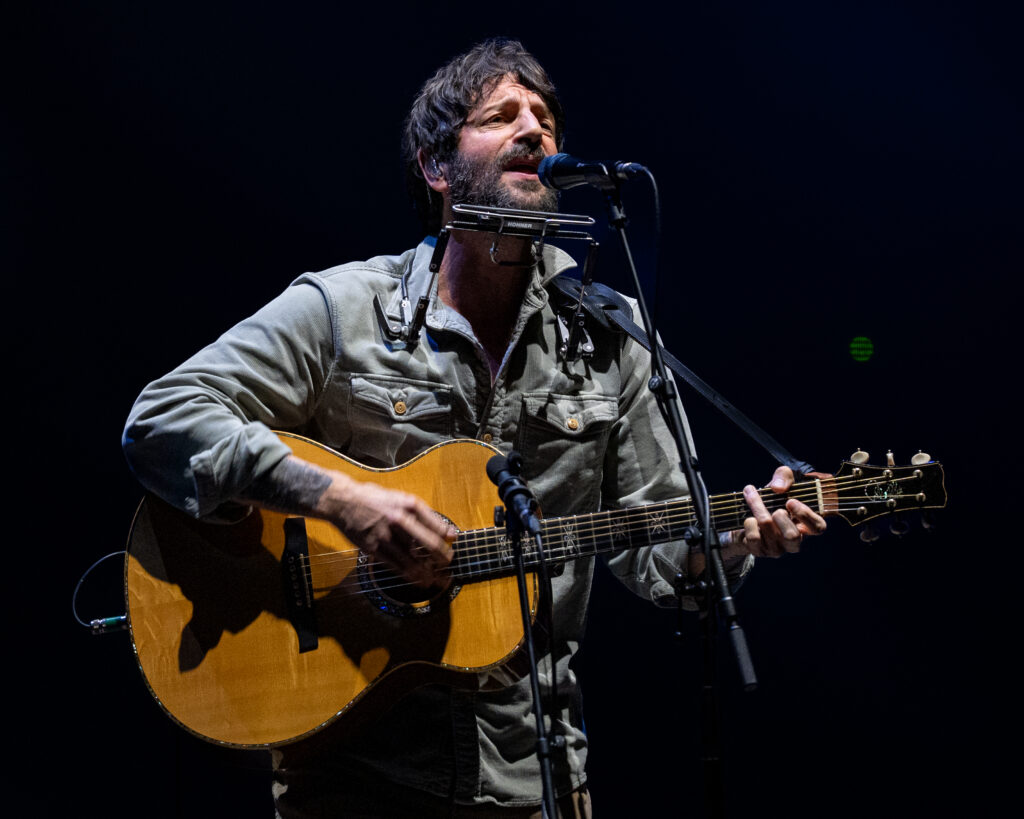
LIVE REVIEW | RAY LAMONTAGNE w/ Natalie Jane Hill | ROYAL ALBERT HALL, LONDON | 8th June 2026 by Kevin O’Sullivan
You could measure the success of Ray LaMontagne’s return to the Royal Albert Hall by the noise.
Not the applause, although there was plenty of that.
The silence.
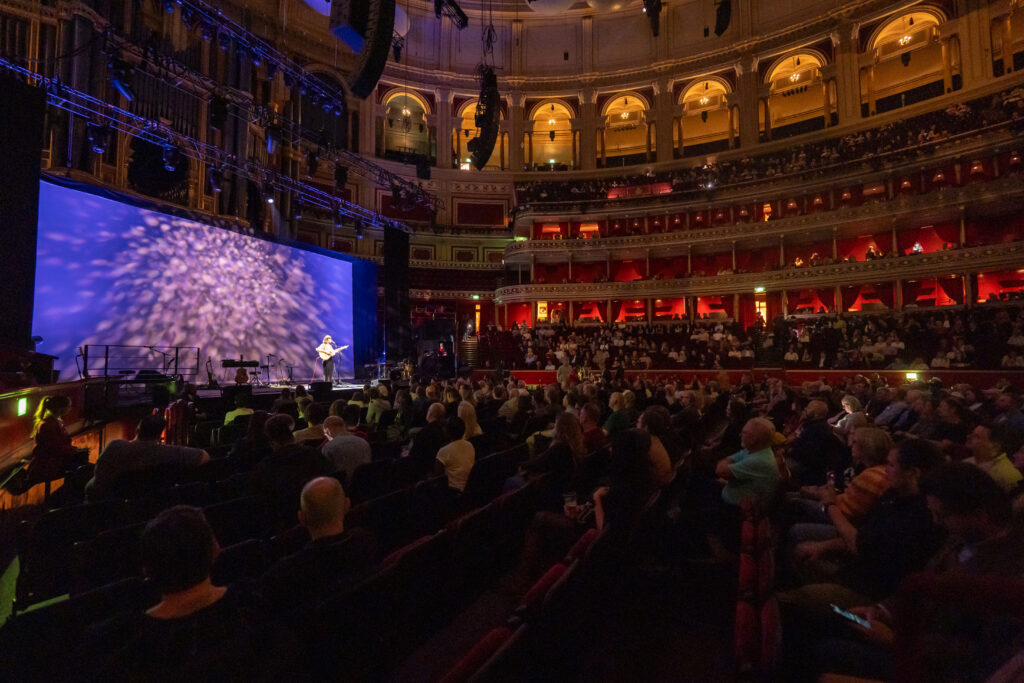
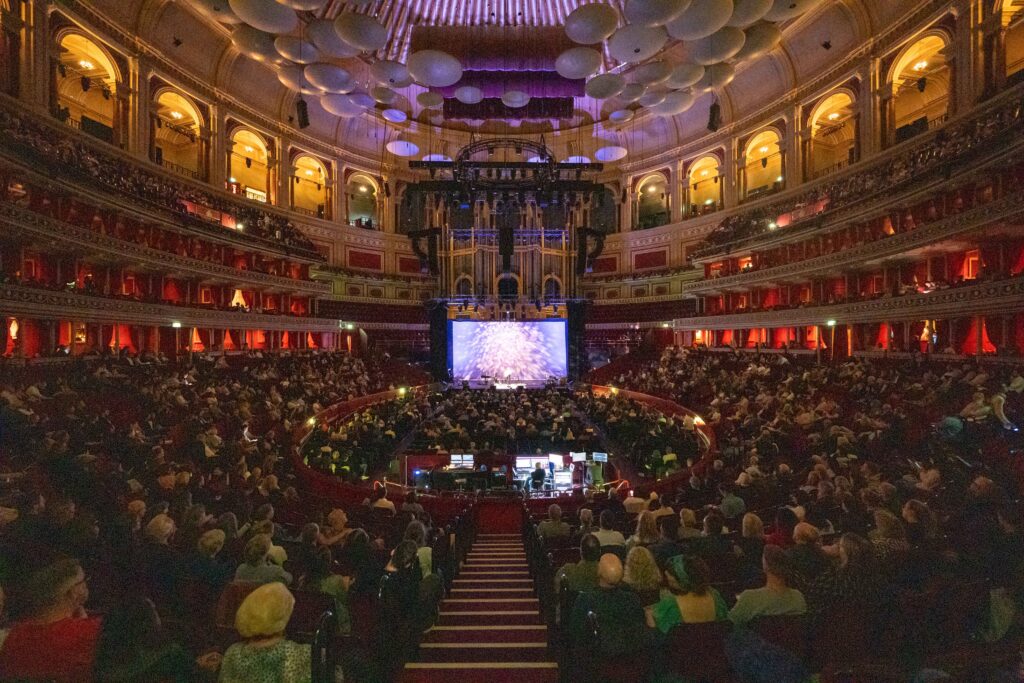
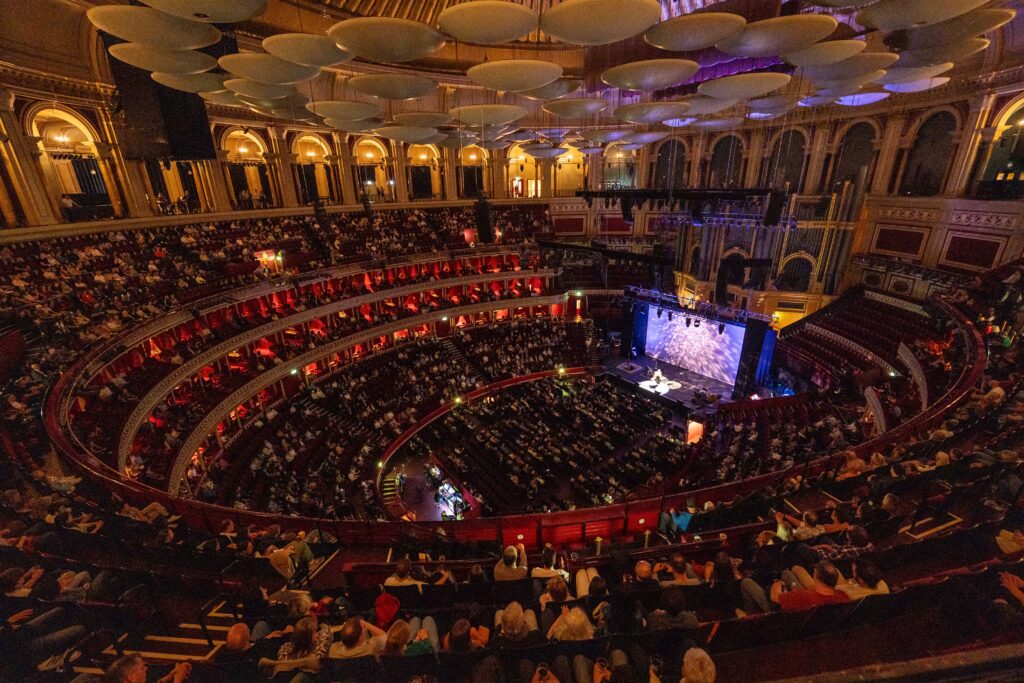
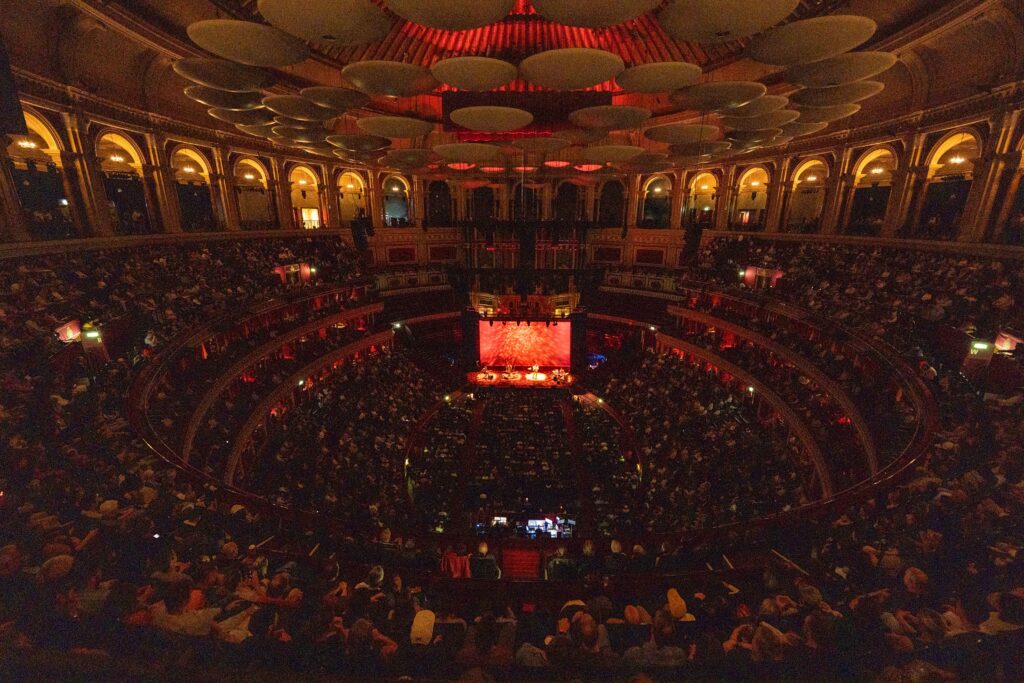
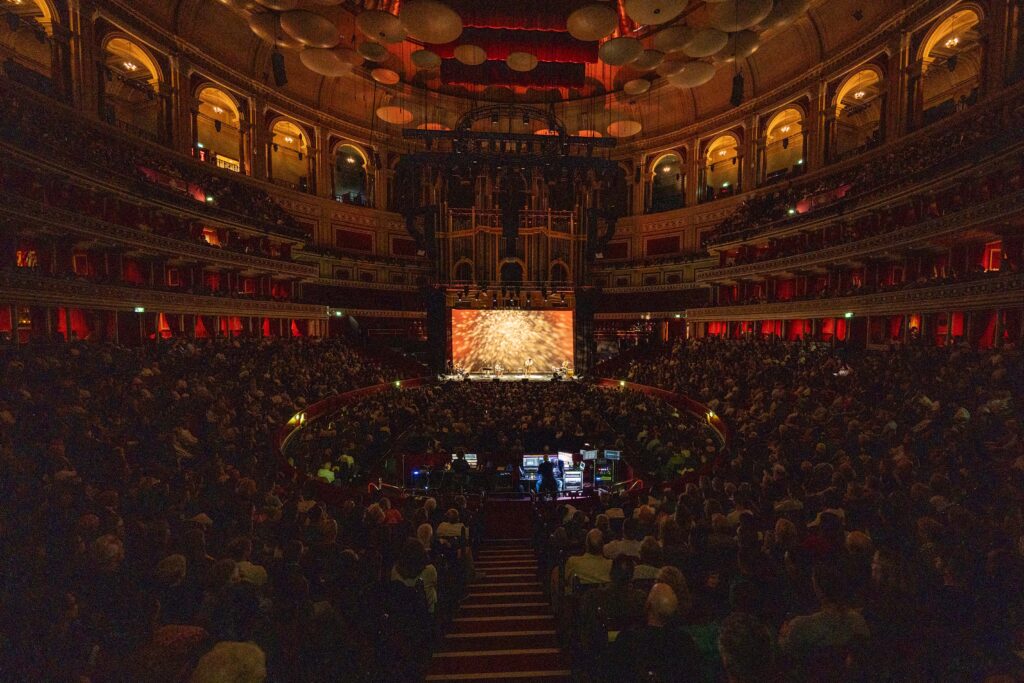
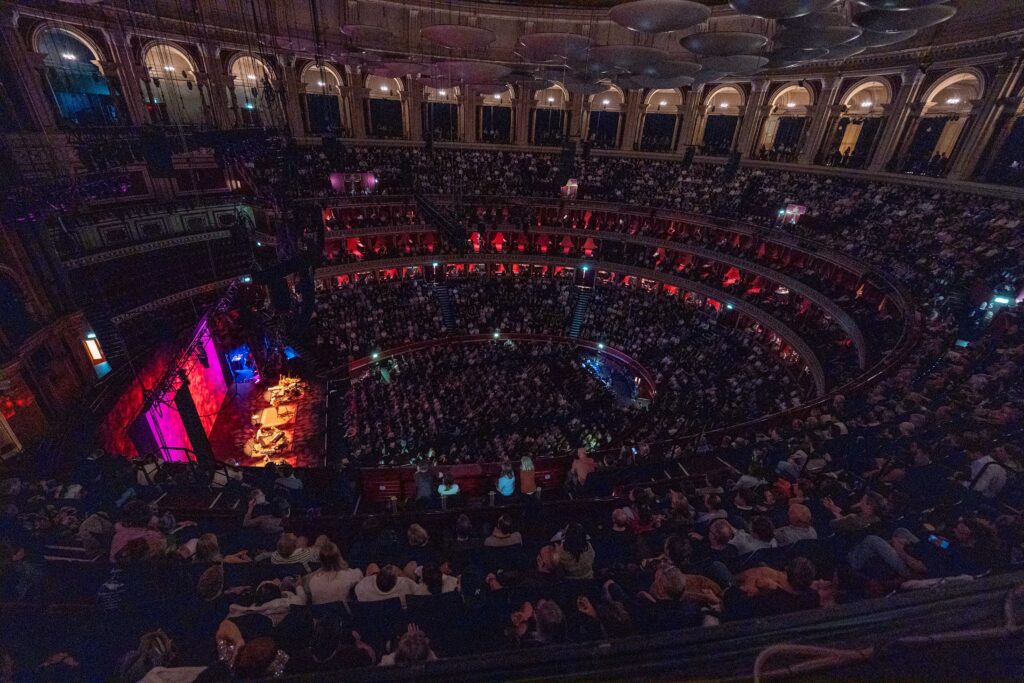
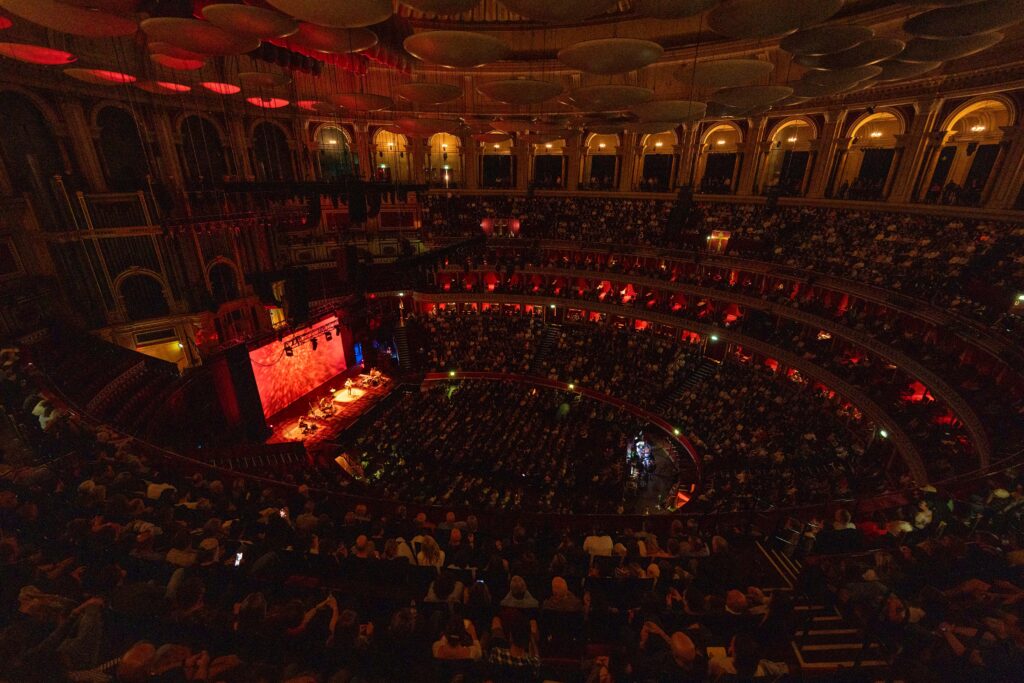
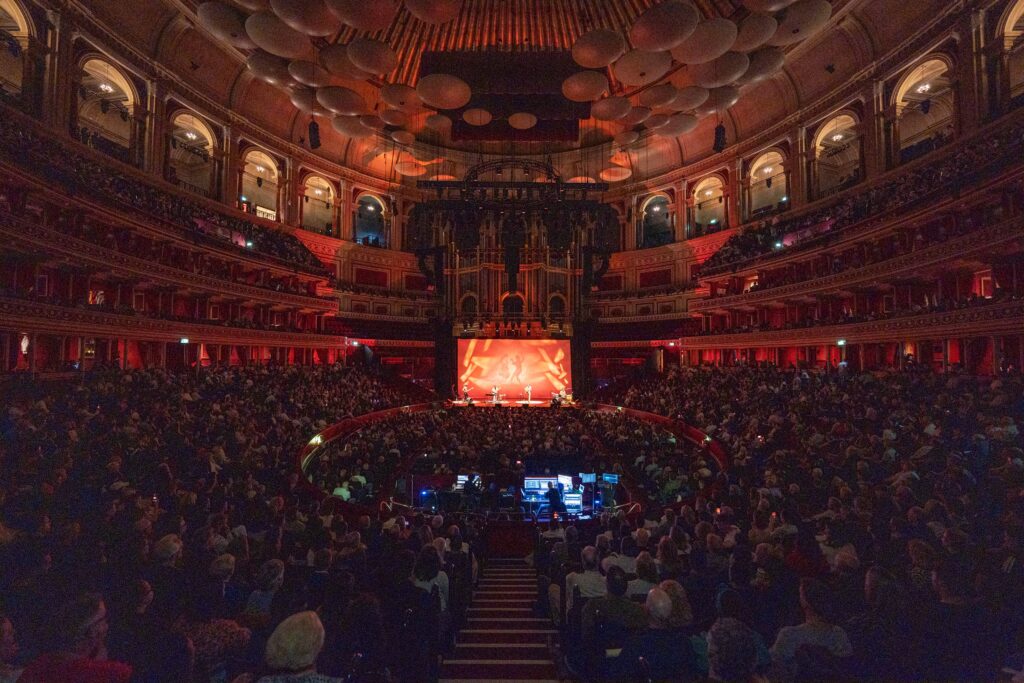
For long stretches inside the sold-out hall, nearly 5,000 people sat motionless, hanging on every word, every breath and every note. In an era where attention spans fracture by the minute and phones usually glow like a second audience, there was something quietly extraordinary about watching a room fall completely under the spell of a man who said almost nothing between songs.
Ray LaMontagne has never needed theatrics. No spectacle, no excess, no performance tricks. Just songs, a band, and one of the most recognisable voices of the last twenty years.
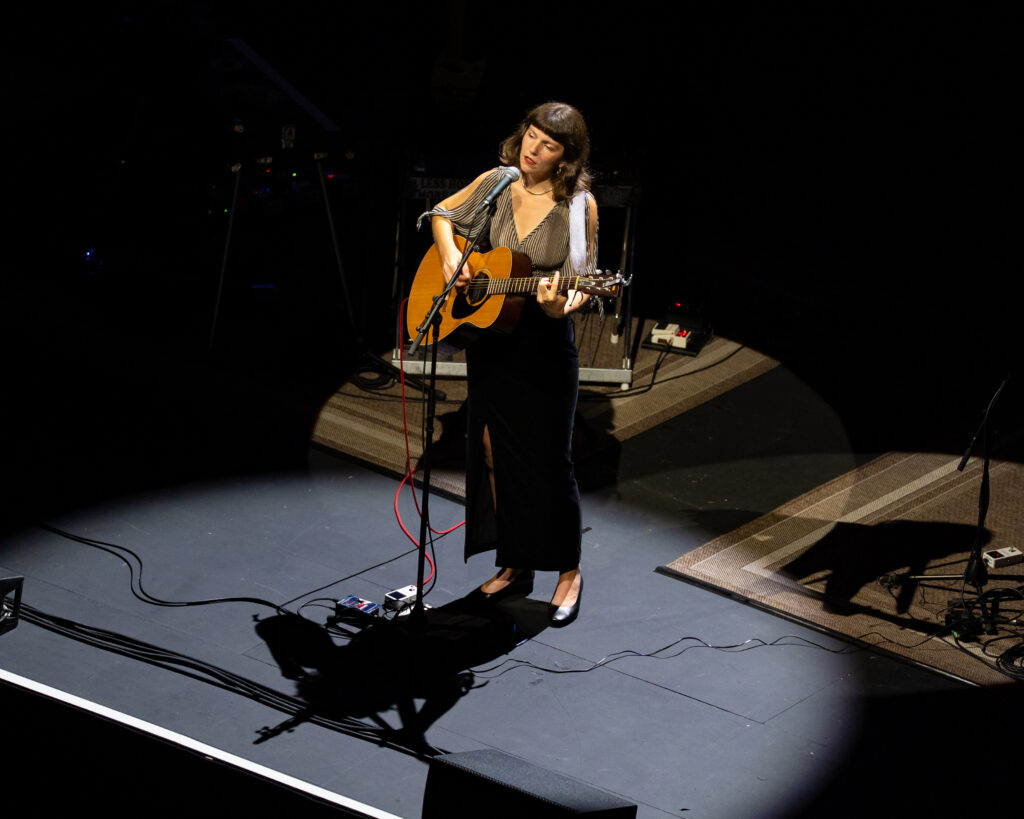
Before he appeared, support came from Natalie Jane Hill . The North Carolina-based singer-songwriter has been building a steady reputation within Americana circles thanks to her understated songwriting and emotionally direct delivery.
Alone at the Royal Albert Hall, she looked understandably aware of the scale in front of her at times, but there is a quiet strength in her writing that cut through the space regardless. The applause between songs wasn’t polite filler; it felt supportive, like a room willing her to succeed. In a smaller venue, her songs would likely land with even greater weight.

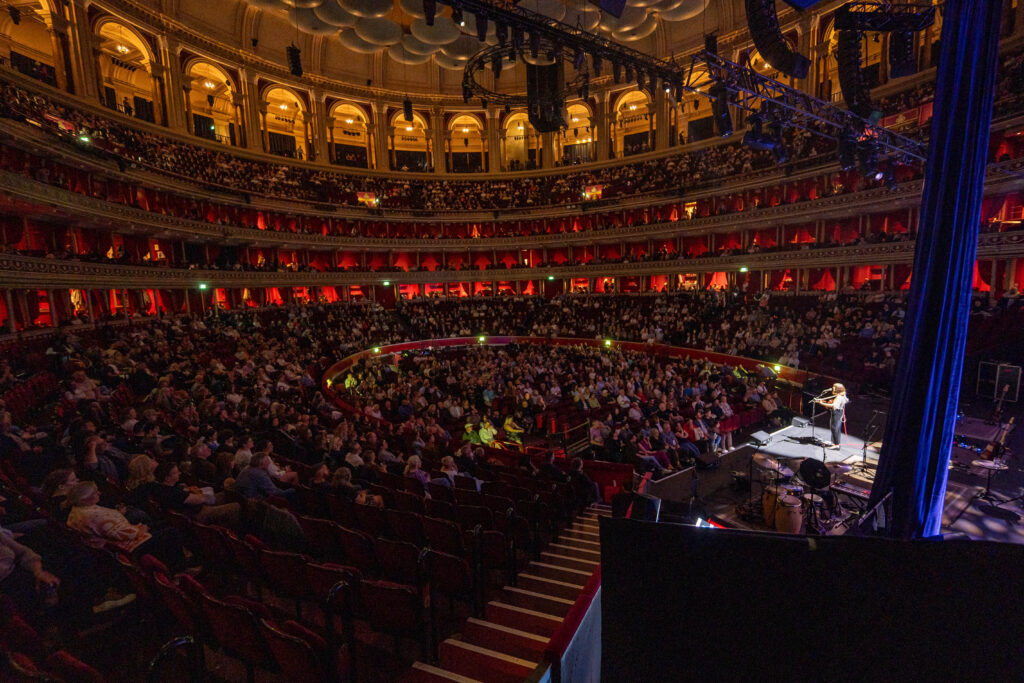
When LaMontagne finally walked on, the reaction was immediate and instinctive.
A run of newer material including “We’ll Make It Through”, “It Takes Me Back” and “Yearning” settled the room quickly, while “Roll Me Mama, Roll Me” loosened the shoulders before the emotional centrepiece arrived with “Such A Simple Thing”.
There are singers with bigger voices. There are singers with wider ranges. There are very few singers who sound like nobody else. Ray LaMontagne belongs firmly in that category.
That weathered, soulful rasp remains one of the most distinctive voices in modern music. It is a voice that can sound fragile and powerful in the same breath; capable of carrying heartbreak, warmth, regret and hope sometimes within a single line. You could identify it within seconds on a crowded radio station, and twenty years after Trouble first introduced him, it still sounds utterly unlike anyone else.
What was perhaps most remarkable inside the Royal Albert Hall wasn’t simply the tone of his voice but its clarity. From the front row to the upper circle, every lyric landed cleanly. Nothing felt forced. Nothing felt exaggerated. He simply stood at the microphone and let the songs do what they have always done; connect.
In an era increasingly shaped by production, effects and digital polish, there is something quietly powerful about a voice that needs none of it.
As “Such A Simple Thing” faded into silence, a voice broke through from the crowd:
“That song saved my life.”
For a moment, nobody responded. No laughter, no chatter, no immediate applause. Just recognition of the weight in the room. When the applause finally came, it felt different. Less like reaction, more like acknowledgement.
It was also one of the few times LaMontagne spoke directly to the audience.
“Thank you for coming out tonight to help me celebrate twenty years of the Trouble album.”
His delivery matched his singing voice: calm, steady, completely unforced. He spoke about writing these songs nearly twenty-five years ago with no expectation they would ever exist beyond his own world, let alone become part of so many others.
“These songs do have a life outside of me and have a life all of their own.”
Later, he offered a moment of reflection that stayed with the room.
“When I am in the dressing room before a show, I look myself right in the eyes and say, breathe Ray, and feel everything. Feel every bit of energy and every note because this is your life now.”
He talked about presence, about time, about the importance of actually being in the moment rather than letting it slip past unnoticed.
“You have to be there. Be present in the moment or life will pass you by.”
Then, a pause.
“Are you ready?”
The roar that followed left no doubt.
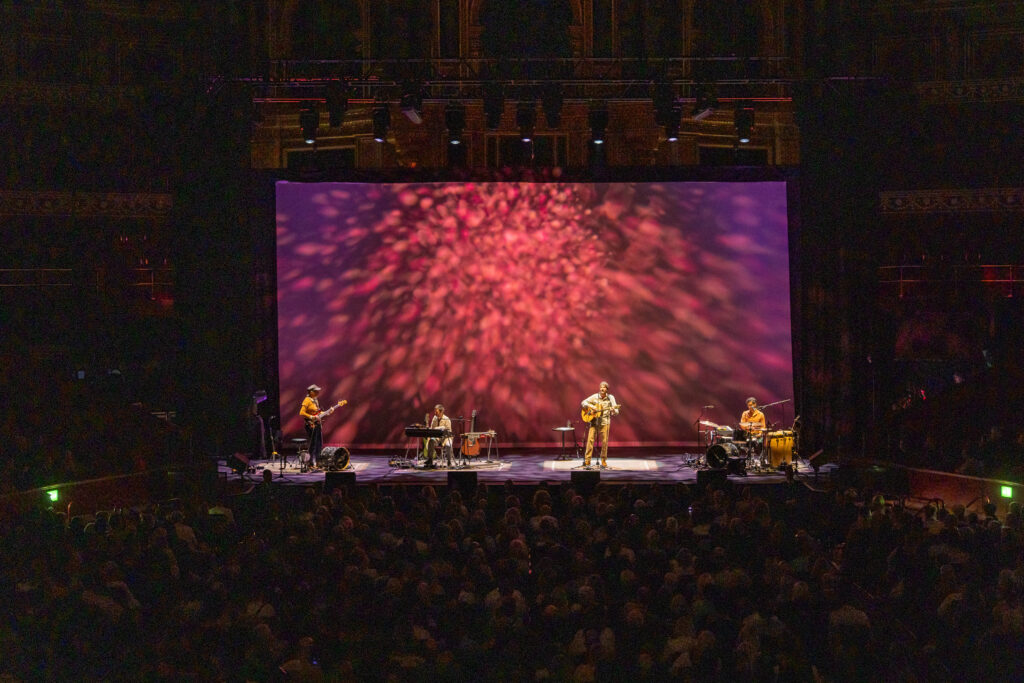
Ray LaMontagne (Kevin O’Sullivan/Northern Exposure) 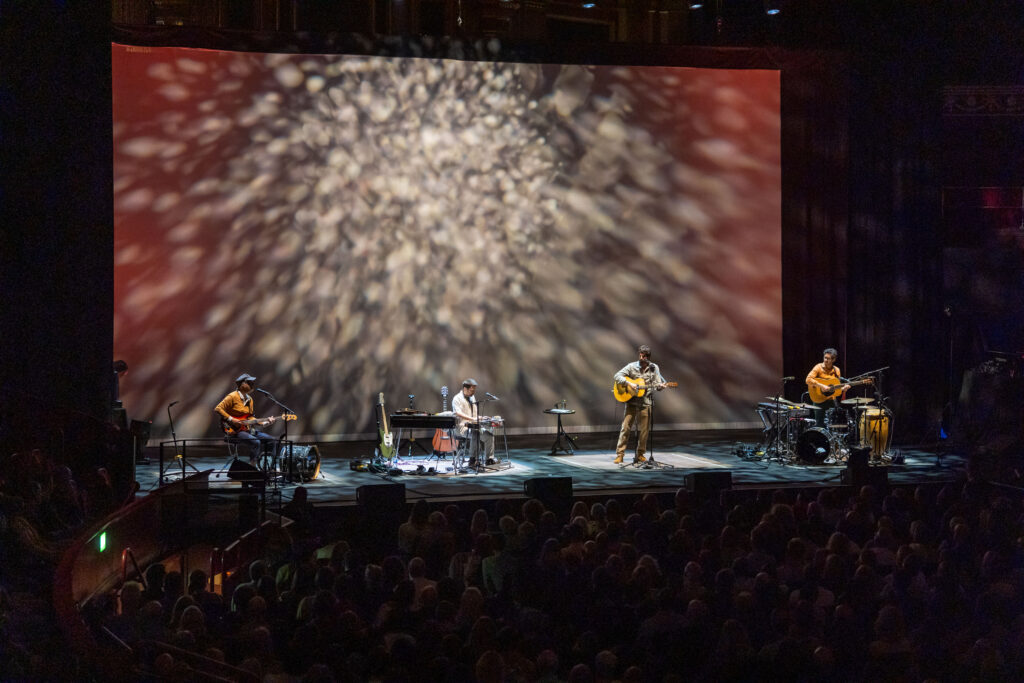
Ray LaMontagne (Kevin O’Sullivan/Northern Exposure) 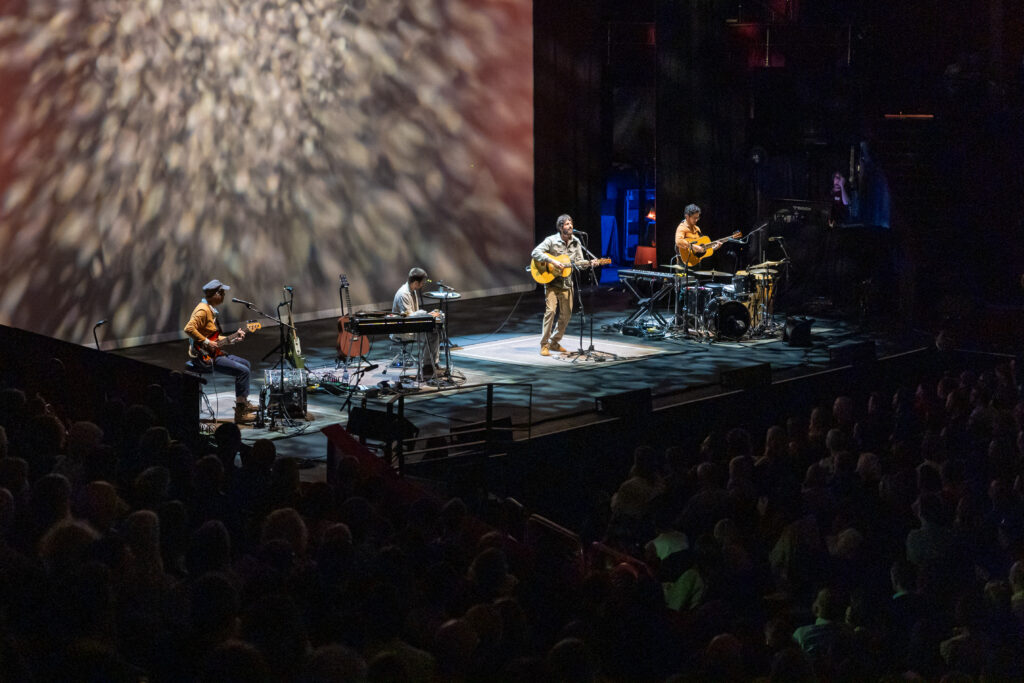
Ray LaMontagne (Kevin O’Sullivan/Northern Exposure) 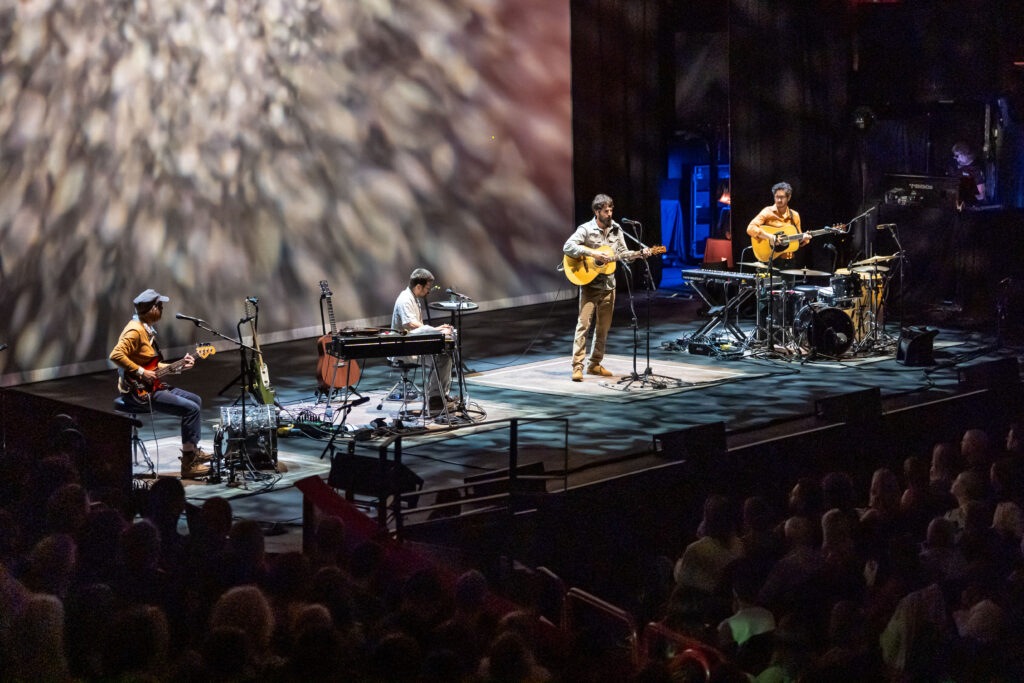
Ray LaMontagne (Kevin O’Sullivan/Northern Exposure) 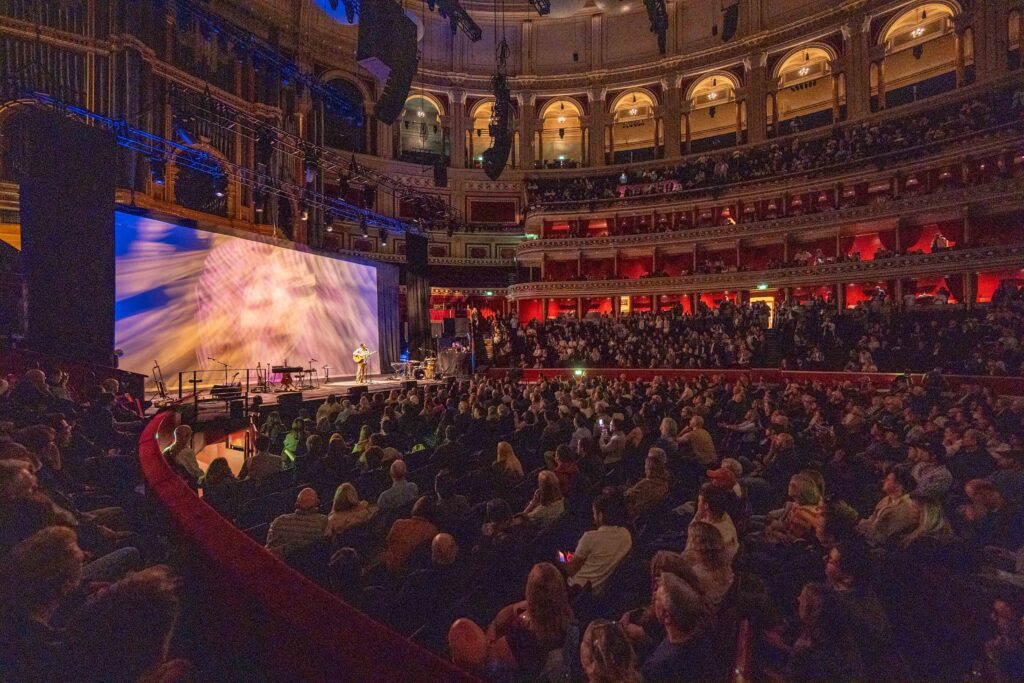
Ray LaMontagne (Kevin O’Sullivan/Northern Exposure) 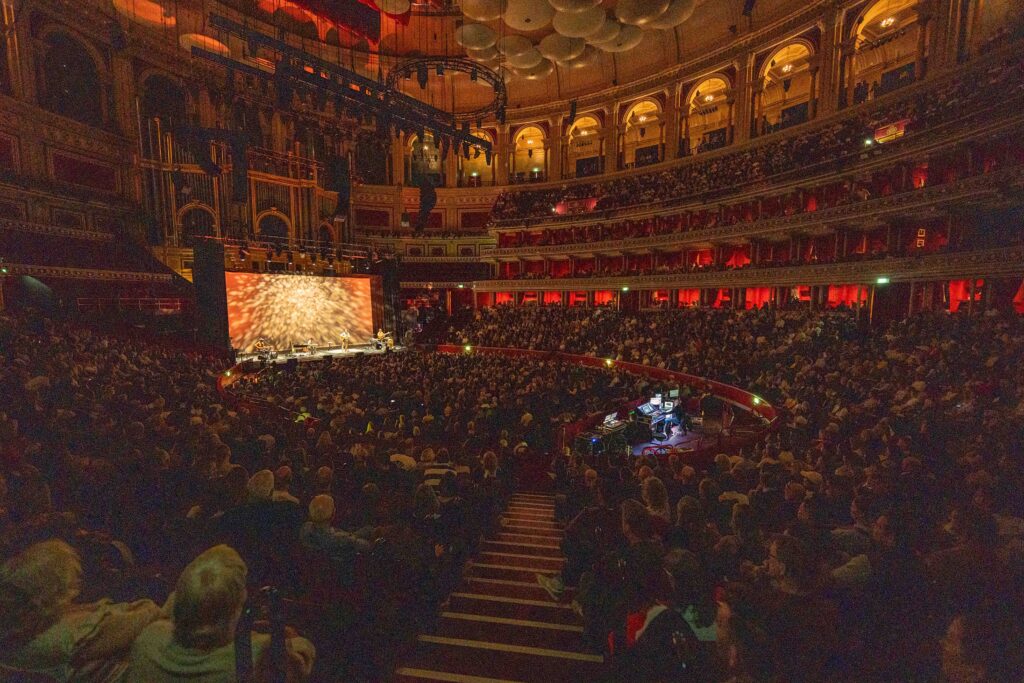
Ray LaMontagne (Kevin O’Sullivan/Northern Exposure) 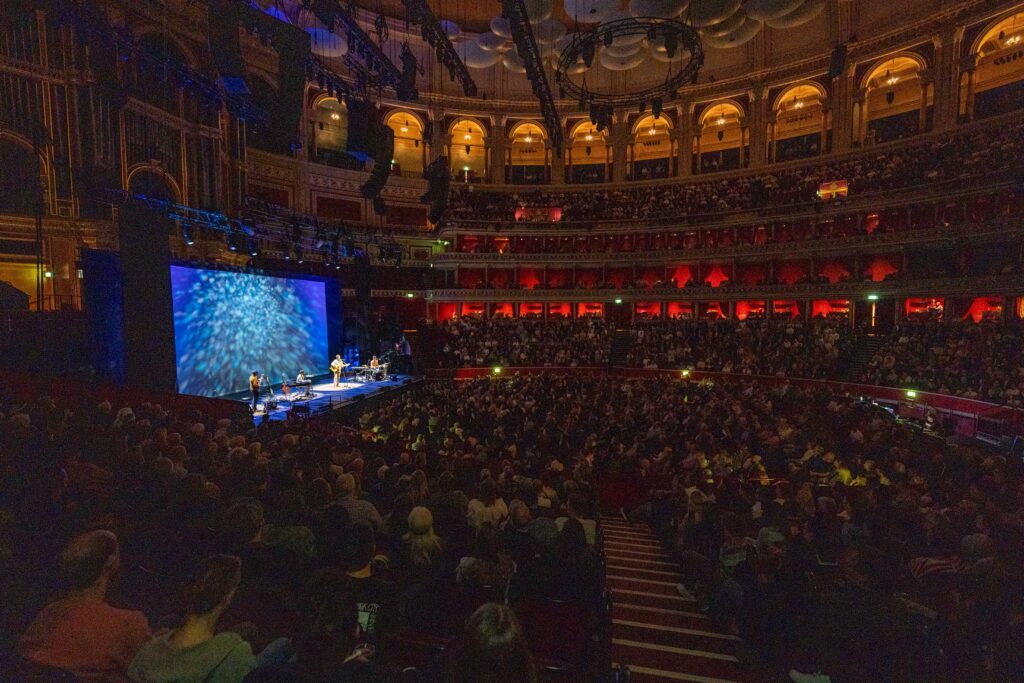
Ray LaMontagne (Kevin O’Sullivan/Northern Exposure)
Behind the band, Jason Holley’s iconic Trouble artwork loomed large across the stage. The image of a devil dancing with a blindfolded girl has become inseparable from the record itself over the past two decades. Chosen by LaMontagne because it captured the emotional terrain of the songs, it reflects themes of temptation, vulnerability and inner conflict. Under the Royal Albert Hall lighting, it felt less like a backdrop and more like a second presence watching over the performance.
Then came the album in full. Trouble, performed start to finish.
From the title track through “Shelter”, “Hold You In My Arms”, “Burn”, “Forever My Friend”, “Hannah”, “How Come”, “Jolene” and the closing stretch of “All The Wild Horses”, the record felt as vital as it did two decades ago.
Not nostalgic.
Not preserved.
Alive.
That was the real surprise of the evening. These songs haven’t aged into memory pieces. They still breathe, still sting, still heal. The audience responded accordingly, holding near-total silence during each song before erupting into huge waves of applause at the end of every track.
At one point someone shouted from the stalls, “See you tomorrow night,” a nod to his second London show at the Hammersmith Apollo. It got a knowing laugh, but also felt entirely believable. Few in the room looked ready to let the night end.
The first encore brought “Strong Enough”, “Long Way Home” and “Hey Me, Hey Mama”, each received like an old friend returning without warning.
Still, it wasn’t over.
LaMontagne returned alone for a second encore and closed the night with “Morning Comes Wearing Diamonds”, bringing a near two-hour set to a beautifully understated end.
As the final notes drifted into the London night, it was hard not to return to something he had said earlier.
These songs have a life beyond him now.
Twenty years after Trouble first arrived in the world, the Royal Albert Hall provided all the proof anyone needed.
Judging by the silence, the tears, the standing ovations and the voice from somewhere in the crowd saying, “That song saved my life”, they stopped belonging solely to Ray LaMontagne a very long time ago.
And they are still finding new homes.