A LOVE LETTER TO THE GRITTY, SMOKE-STAINED, FLOOR-POLISHED ROOMS THAT HAVE BEEN THE LIFEBLOOD OF NORTHERN MUSIC AND WORKING-CLASS CULTURE FOR GENERATIONS.

I grew up in a family associated with working men’s clubs. My experience of Saturdays was spending an evening with Nan and Grandad in a smoky room of cigarette smoke, ale, floor polish, and local promoters announcing gigs on photocopied notices. Despite being a child, I knew that a club meant more than getting drunk. It was a vibrant community in a room.
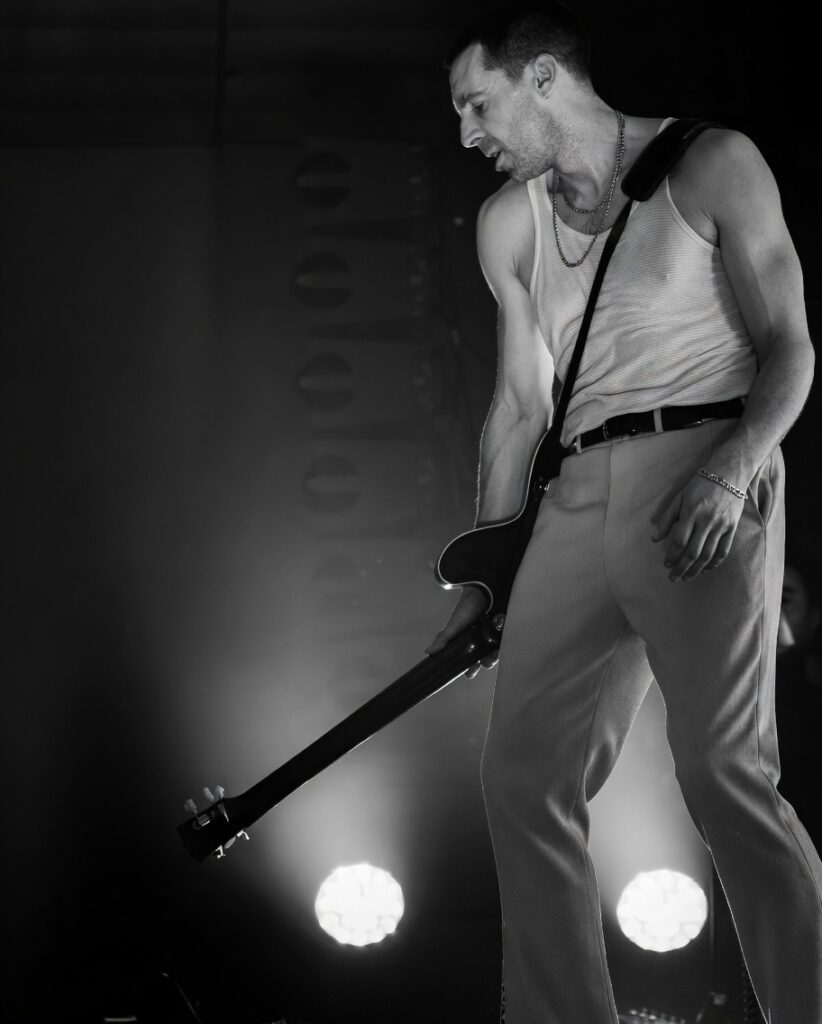
These institutions were where I learned things no other institution could have taught me. Recently, interviewing Miles Kane ahead of his gig at Crookes Working Men’s Club, I realised once again how important they still were. A few Arctic Monkeys were present at this gig too, the same sign hung above the stage, and the Max and Paddy checked your ticket. And despite that everything else has changed in the country over the last ten years, some rooms remain unchanged, Brudenell in Leeds is still alive too, having been founded in 1913 as a non-political gathering place where it welcomed secret gigs by Franz Ferdinand and Kaiser Chiefs, Trades Club, Hebden Bridge, and Moth Club in Hackney. They are proof of the rebirth of those rooms.
But the vast majority of such institutions disappeared in this country in recent decades. This is why I am raging at this generation.
We did not manage to preserve what was ours. According to the British Beer and Pub Association, 161 pubs shut their doors in the first three months of 2026 alone, meaning almost two per day after 336 pubs closed in 2025. The number of working men’s clubs also reduced dramatically since there were four thousand such institutions in the ’70s, compared to barely over a thousand today. Depopulation, the smoking ban, supermarkets, and the rise of Netflix took its toll on those venues. But those that survived are still functioning. And in our highly individualised society, such venues become even more crucial.
While the British Beer and Pub Association tallies the pub deaths, the Music Venue Trust’s 2025 Annual Report paints the same grim picture for the rooms that actually put on the gigs. Thirty grassroots music venues closed for good last year. More than half (53.8%) made no profit whatsoever, surviving on average margins of just 2.5%. Over 6,000 jobs disappeared, a 19% cull, while 175 towns and cities across the country, home to 25 million people, lost regular access to live touring artists. These are the exact rooms where Arctic Monkeys, Franz Ferdinand and Kaiser Chiefs cut their teeth. This isn’t about a few “old blokes’ clubs” fading out. It’s the dismantling of the whole grassroots ecosystem. What’s going under isn’t just cheap pints and a game of dominoes, it’s the pipeline that built British music. This isn’t sentimentality. It’s the loss of something concrete.
A working men’s club wasn’t a lifestyle concept of brick walls and seven-quid flat whites. It was cheap pints, darts, dominoes, music, and community. Nothing artificial about that. And it definitely was not meant to substitute therapy. Just a room that was managed by its members, welcoming anyone.
While loneliness among men increases dramatically, living expenses become outrageous, and while pubs are being closed one by one, the replacements do not fit any budget. Clubs never wanted to substitute anything. All they offered was a place to drink cheap pints, play games with friends who had known each other since their youth.
Sure, not everything was perfect here. Some had some outdated values and social practices, but allowing them to go bankrupt would have been an equally wrong decision. Instead, we need their reinvention.
Rooms like Crookes, Brudenell, and Trades should serve as templates. Invite women and children. Make sure prices are reasonable. Book gigs, comedy, and community nights. Allow anyone in. We may have grown accustomed to craft beers, cocktails and Aperol spritzes, but that doesn’t mean working men’s clubs can’t adapt. They can, and they must.
Since today’s pubs are full of young people wearing the same outfits and drinking in an attempt to conceal their loneliness from each other. In some cities, there are only bars left, which are unaffordable.
Cheap pints, community, lack of ego and performance. Just a few hours of interaction. This is what we lost in this country.
And this is the biggest lie telling ourselves that we did not see it coming.