OPINION: DIAL-UP THINKING IN A BROADBAND WORLD, FESTIVAL SEXISM EXPOSED

The Last Dinner Party (Hope Simmers/Northern Exposure)
Lineup announcements in 2026 are already looking like an utter cop-out, with the same old lineups from the last ten years, prices up another £60, as if we all have endless money sitting around, and flyered imagery ripped straight from 2016. Who in that conference room meeting looks at that lineup and thinks, “Yeah, let’s say 2026 has got a little something different about it” by plugging in the same old familiar names? It takes no talent at all.

Take Truck Festival, The Maccabees return to haunt the memory of relics, Two Door Cinema Club playing the same MySpace album from nine years ago, CMAT headlining (we LOVE that, and fair play, elevating her to a top slot shows some nod to fresh talent amid the repeats), English Teacher, The Last Dinner Party, but wait, aren’t these all the same names from last year’s headliners to begin with? Does the industry get caught up in some sort of glitch? Sure, acts like The Wombats and Primal Scream add variety, but it’s still heavy on nostalgia.
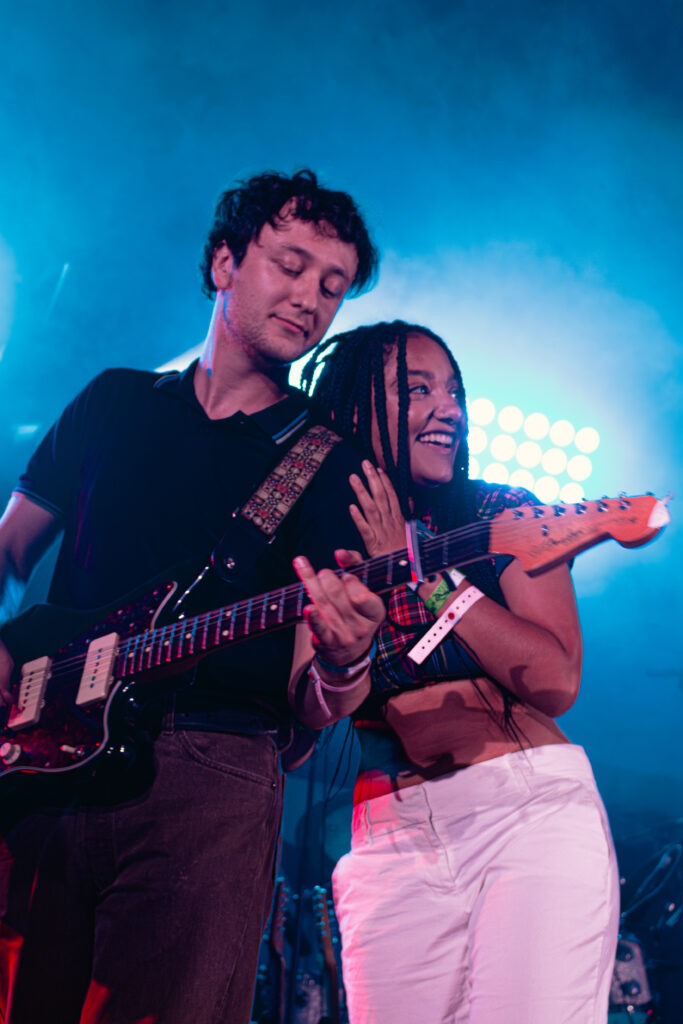
And Y Not? The Libertines are back out again on another revival tour, Two Door Cinema Club accumulating all those frequent flyer miles, The Streets playing the same 2004 anthems year in and year out, and The Reytons brought in as “local flavour” to appease the Yorkshire faithful. At least Sophie Ellis-Bextor gets a sub-headline spot, injecting some pop flair, but the headliners remain predictably male-led.
Isle of Wight? The Cure (legends), Calvin Harris, Lewis Capaldi, Wet Leg, The Kooks, innovation obviously being verboten around these parts. That’s not a line-up, that’s “Now That’s What I Call 2007” with a £320 price sticker slapped onto it, though Wet Leg and The Last Dinner Party do bring some modern edge to the undercard. We’re stuck in some kind of rotation deal with a dozen bands at every festival from Latitude to Reading to wherever, while prices go through the roof, driven by post-pandemic costs and inflation that promoters blame for playing it safe.
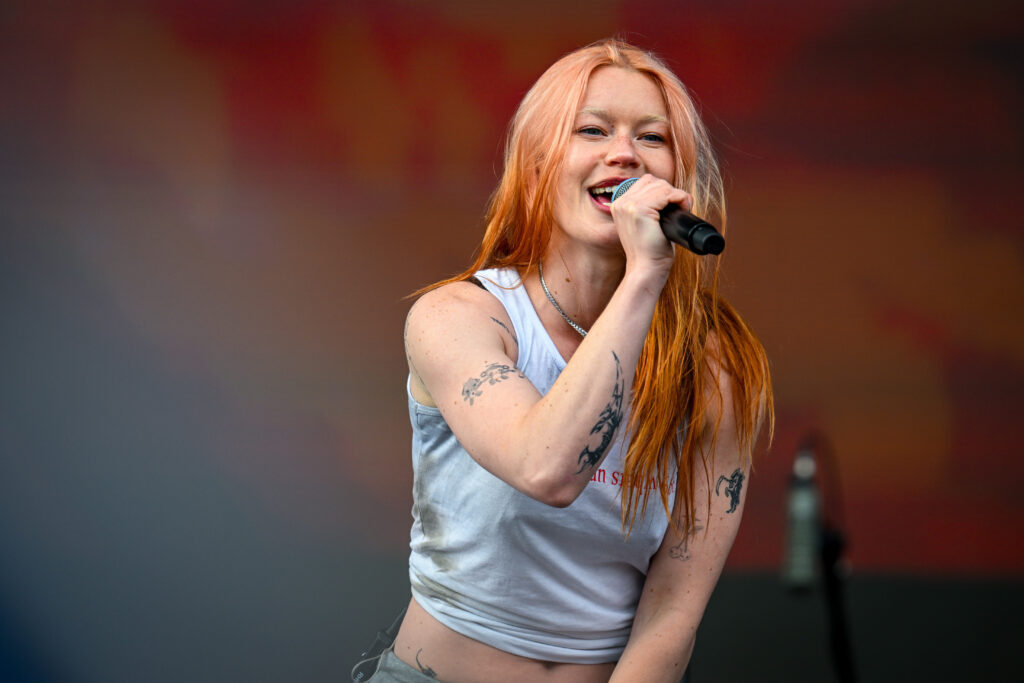
But TRNSMT takes the biscuit in terms of barefaced nerve with headliners. The first wave bursts in with three male headliners, Richard Ashcroft, Kasabian, Lewis Capaldi. Support: Male. Sub-headliners: Male. Main support: Male. Special guests: Male.
And let me not hear about “festival bills are always without female headliners” bollocks. From Lana Del Rey and Florence + The Machine to Charli XCX, Mitski, Halsey, and Kacey Musgraves, the list of women more than capable of headlining festivals is long and undeniable. Janelle Monáe, St. Vincent, Maggie Rogers, Phoebe Bridgers, Dua Lipa, SZA, Rosalía, and Paramore’s Hayley Williams all command global audiences, sell out arenas, and deliver performances every bit as powerful as their male counterparts. These are not fringe acts or niche names—they are proven heavyweights, with the catalogue, cultural impact, and fanbase to carry a main stage. The fact that they are so often relegated to sub‑headliner slots or mid‑bill positions is not a reflection of their ability, but of an industry still clinging to outdated, risk‑averse booking habits. With consistently stacked lineups in the UK from powerhouses such as CMAT, The Last Dinner Party, Wet Leg, English Teacher, Rachel Chinouriri, Been Stellar, Lime Garden, and many, many more consistently selling out every week, the arguments are unfounded. Festival leaders aren’t plucked like crops, they’re cultivated with vision and sustained by support. That demands risk, real risk, beyond dusting off the same reformed indie relic from 2006 for the billionth encore. But in this business, risk feels treated as heresy, subject to the death penalty, though a few fests, We Out Here, are pushing the envelope with diverse global acts. To promote top female headliners not as a token, not to check the diversity box, but because they’re killer at what they do, is hardly some optional add-on. It is central. Ignoring that reality is as retrograde as dial‑up internet.
Grass-roots venues such as Sheffield’s Leadmill have disappeared, whilst the Corp is scrapping by, and actual guitar music thrives in hole-in-the-wall bars such as Sidney & Matilda or Delicious Clam through pure determination. This is just Sheffield, but it’s the same story up and down the UK. Promoters continue to pour money into Two Door Cinema Club’s millionth show, when unknown venues wouldn’t even turn up in a Google search. Who wants to pony up £350+ to hear the same bloody lot four times already? And how, in 2026, can a major UK festival present a lineup so suffocatingly male‑dominated that even a rugby star chamber would look balanced by comparison? Industry figures bear out these facts with 63% male acts against a paltry 21% female ones, with only 13% female headliners historically across major UK events.
But all in all, there’s cause for optimism. The UK Music Diversity Task Force was implemented in 2025, and their ‘Five Ps’ plan encourages change through people, policy, partnerships, purchasing, and tracking to offer a complete overhaul of the diversity policy bible, with women’s board representation hitting 52% in live music orgs by 2024. Initiatives like Keychange and YOUROPE’s diversity tools are gaining traction, aiming for a 50/50 gender balance.
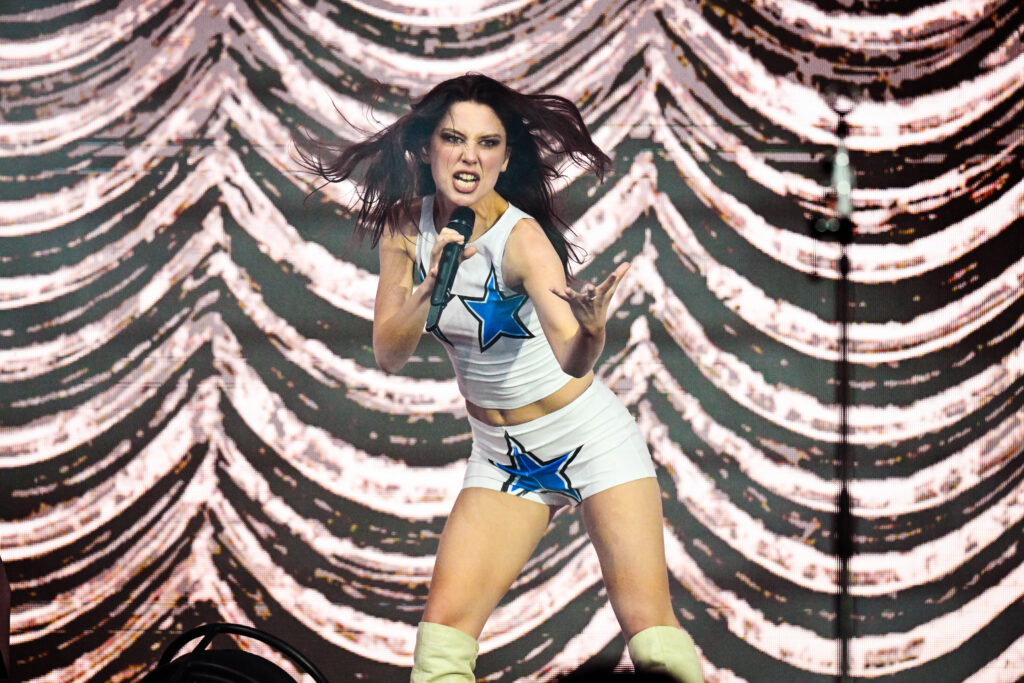
Tramlines has taken positive action in supporting female headliners with Wolf Alice topping the bill, bringing powerful performances from Wet Leg and Gabrielle, but most importantly, proper efforts are in place to increase genre diversity, boasting around 40% female/gender-diverse acts overall. After the pandemic, there is positive traction in anti-resale activity, local spend changes, and actual plans to increase diversity, maybe turning the tide in 2026, with some fests like Out and Wild going fully women/non-binary focused.
Grassroots events like Float Along or Get Together have continued to erupt, taking centre stage from big boys, proving fresh talent can thrive without mega-budgets. So keep your £350 ticket, your £12 pint, and your recycled nostalgia. The big moments in 2026 will emerge from sweaty masses above the boozer or in the inner-city get together that shouldn’t cost an arm and a leg. But let there be no doubt, the revolution needs far more female headliners at the front and centre, not crumbs from the side stage, fans should boycott unbalanced bills and push for models like Primavera Sound’s 50/50 splits to force real change.
It’s not a suggestion, it’s indispensable to blast away stagnation and make festivals something worth showing up to.
The headlining stage begins or ends there.