
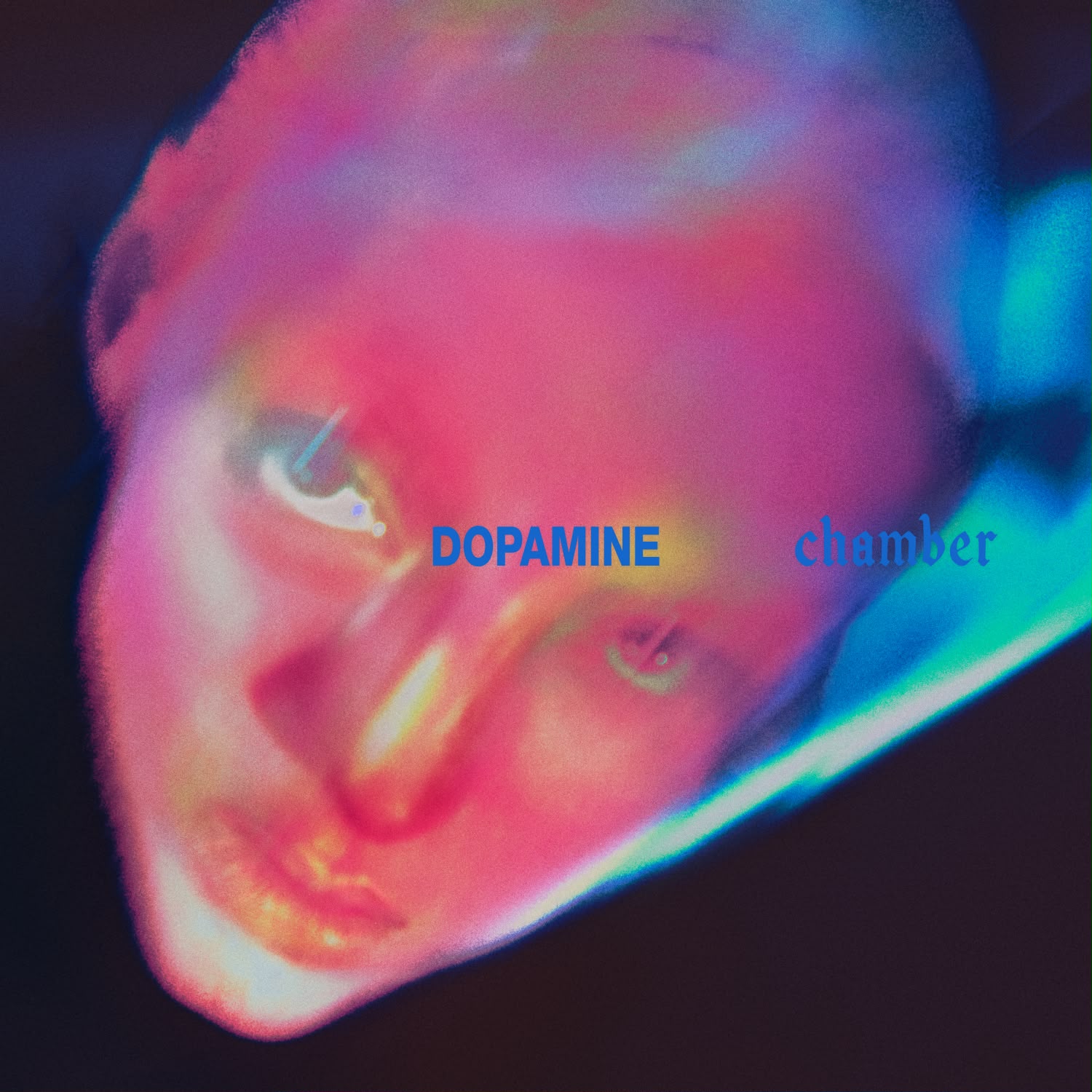
ALBUM REVIEW | FONTAINES D.C. – DOPAMINE CHAMBER by Rachel Brown
I’m sitting in my bedroom. For this first play, the curtains are drawn, the lamps are on, the candles are lit, and the earphones are in. I’ve been looking forward to this new Fontaines D.C. album for months, and I refuse to compare it to anything. Tonight, this band will be judged on Dopamine Chamber alone. Before the record even starts playing, I seal my room, ready to hold whatever the album brings; then the record seals it even tighter.
‘Six Shot Morning’ is the first atmosphere in this experiment, preparing me for the music I’m about to embark upon. The title gives it away, this is a collection of atmospheres, each one pulling you between pleasure and pain, a poisoned comfort, attraction wrapped around something that could hurt you. The synthesisers create a sense of safety and menace so strong that, by the last bar of the opener, I could no longer tell which feeling was winning. Comfort comes not from six shots, but from a synthesiser’s poisoned kiss. No guitars here, only bass lines and electronic rhythm. Grian Chatten‘s baritone voice sounds close as he promises me millions of years with an odd mix of intimacy and aloofness. In the dark, the bass feels physical, as if my bed starts vibrating. The track doesn’t explode; that’s not a bad thing. It keeps expanding until my room closes in and feels noticeably smaller.
The album’s instrumentals were created with cold precision in Suffolk, while the vocals were recorded later in Palermo, in a fort made of mattresses and pillows. In my earphones, the difference is strangely palpable. The music is often precisely engineered, expansive, and controlling, while the voice is warm because of the more human setting. It’s a clash of emotions, clever, and this tension becomes one of the record’s most compelling aspects. Strings start thinning on ‘One Man’, and the sounds of children playing around a cathedral start bleeding into the track. These sounds don’t seem accidental; rather, they remind us of the life that exists right outside the walls of the world of the album.
‘Marianne’, already familiar from its earlier single release, is the most immediately seductive track. Spiralling strings and a heavy snare carry its near-whispered invitation to disappear. I find myself feeling oddly compelled. Comfort keeps appearing on the record in slightly off forms, and ‘Marianne’ captures this contradiction perfectly. The record proceeds without accepting or rejecting the invitation.
After this, the mood lurches without warning. ‘Mimesis’ rides the rubber bass line and the bright sheen of the eighties, making the album feel glamorous for a moment before the walls start closing in again.
‘Happy for You’ is my favourite track on the record. Here, the record introduces a wiry guitar sound that keeps surfacing and sinking into the arrangements, adding to the unease rather than offering relief. This song made me shed an actual tear. The emotions suffocate you, settling deep in your chest, but somehow beautifully so. It ends abruptly, like unfinished business. Grian keeps offering the mature version of the breakup out loud “I’m just happy for you, I swear” but the delivery never quite closes the door on the rawer one.
The vow sits unfinished, like the track itself cuts off, like many relationships where you become strangers overnight, but yet their haunting presence remains.
The next song, ‘Demolition’, sharpens the edges even further with its abrasive soundscapes breaking the dream-state created earlier. By now, it feels like their best work yet. I have goosebumps as Grian sings.
‘Tongue’ brings further texture to the album with the addition of some washy percussion, meandering piano lines and a slow, slouching bass line, which is picked up in the follow-up track ‘You Miss Me’.

The album clocks in at around 44 minutes long. By ‘Demolition‘ it’s clear that no mood is allowed to settle long enough to become comfortable.
The centre of the album calms down, but only slightly. In the darkness of my room, the idea of the song hits me hard; once a feeling is named, it becomes impossible to get rid of it.
‘Where Is Gone?’ then widens the space and brings a slight relief to the intensity. The voice of Rosalía enters the record softly, circling Grian’s voice rather than competing with it. The two voices dance, the result more intimate than I could have expected. The song opens the chamber for a second, letting the fresh air inside but leaving the claustrophobia intact.
The final part of the album brings back the smaller human details. One-sided longing defines both ‘You Miss Me’ and ‘Japan’, while ‘Intimate’ moves between images of cosmetic perfection and the remains of a person’s dream. Every song holds its own. It is deeply rewarding to witness the band evolve without a trace of commercial compromise.
The album doesn’t offer a neat conclusion to what it raises; the question of whether the sealed room is shelter or trap lingers long after the songs.
Once the album finishes, my room looks untouched, but the atmosphere is spent. The promise of millions of years still floats above my bed. The low end has left a slight pressure in the mattress. Outside the window, nothing has moved. Inside, however, the chamber keeps existing a little longer.
This album leaves behind not a conclusion, but residue. It never tells me whether the sealed room is my shelter or my trap. Instead, it shows how easily one becomes the other once I switch the lights off. The doses are precise and hauntingly seductive, the atmospheres carefully calibrated, but something human keeps seeping through: the warmer vocal takes, the distant children playing outside, the small ache of the desire to still be loved, remembered.
The feeling that something has been named, and therefore becomes impossible to unname, lingers longer than the music itself. That may be the album’s biggest accomplishment. Rather than offering a way out of the chamber, it makes me never want to leave it.
Dopamine Chamber by Fontaines D.C. is out on XL Recordings on Friday, 16th October.
5/5
RACHEL BROWN
About the Author