FROM GRIT TO GAZA: FONTAINES D.C. SAY GOODBYE TO ROMANCE

Fontaines D.C. (Anne Kelly/Northern Exposure)
“We left our romance in 162 pieces with you, thank you for giving yours back to fill us up again.” Conor Deegan III
Right now, I’m finding it hard to care about writing or about bands that stay silent on genocide. Luckily for me, I’m a fan of Fontaines D.C., and they’ve probably been my most listened-to band the last few years. They have just finished a massive global tour behind their latest album Romance, cementing their place as one of the most iconic and politically fearless bands of the decade. I’m pushing myself to stay engaged with topics that matter, but it’s brutal when we watch children slaughtered daily on a screen that fits in our hands, and I struggle with how so many artists with huge platforms and visibility stay silent.
What Fontaines D.C do isn’t performative. It’s consistent. Fontaines D.C. have donated to Medical Aid for Palestinians, collaborated on benefit singles, and cancelled shows in solidarity. They projected “Israel is committing genocide” across festival stages, wrapped their gear in Palestinian flags, and let their visuals speak louder than any PR statement.
Fontaines D.C. cancelled their scheduled show in Istanbul, Turkey, at Zorlu PSM in August this year, in solidarity with Palestine. The decision followed conversations with Palestinian artists and human rights activists, and responded directly to calls from the Boycott, Divestment and Sanctions (BDS) movement, which urged artists to avoid venues linked to companies supplying energy to Israel. In their statement, the band declared,
“We must be clear in our convictions and put solidarity with the people of Palestine first.”
They promised to return to Turkey when doing so wouldn’t compromise their stance, and ticket refunds were made available to fans.
When people like Greta Thunberg boarded the Freedom Flotilla, which left for Gaza in June 2025, they sent a recorded message of support. Greta and other activists wore Palestine aid football shirts, which were made with Bohemians FC and Fontaines D.C., to help raise money for humanitarian relief. It wasn’t just merch, it was unity. It was mutual aid.

THE INDUSTRY’S FAVOURITE LULLABY
Following the journey of Fonataines D.C, I can see that in nearly eleven years of doing this, I’ve heard the same funeral speech on repeat. “Rock and roll’s dead.” “Streaming killed the dream.” “No one makes it anymore unless they’re TikTok famous or born into a trust fund,” etc.
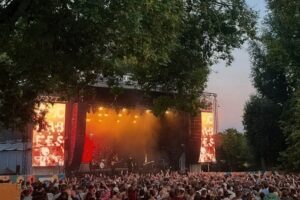
Yes, it’s harder now. No one’s denying that. But truth be told, it’s always been hard. But bands do still break through, and Fontaines D.C are the evidence of that. Photographing Fontaines D.C. at Leeds Direct Arena, I looked up at the stage and felt the jolt. Not that long ago, I was eye-level with them outside, cigarette in hand, no barriers, no distance. Now there they were, commanding a whole arena.

The industry loves this lullaby, sung by people who gave up on grit.
But here’s the thing (see what I did there…), new bands do not break through because they’re lucky. They break through because they work extremely hard and refuse to disappear.
That level of work often leads to burnout. I wrote about this recently here.
Because with grit, bands keep showing up when no one’s paying attention. Because they play grimy basements, play in front of five people, split £50 five ways, and still manage to show up again the following night.
Persistence isn’t romantic. It’s hard work. But it’s the only currency that’s convertible into fame.
THE GRIND DIDN’T MAKE THEM ICONIC, THEIR REFUSAL DID
I’ve been a fan of Fontaines D.C. long before they were selling out arenas. This band didn’t just arrive there, they endured everything they had to, to make it big, to break.
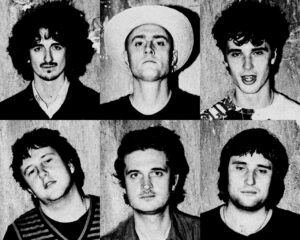
Formed in 2014, they spent years self-releasing singles, playing tiny venues, and refusing to dilute their sound for playlist culture. In doing so, they created their own.
Their debut Dogrel didn’t chart because it was catchy, it charted because they gave us an unfiltered piece of themselves.They hadn’t copied trends or tried to fit in. It charted because they also kept going.
I saw a reel with Carlos a few weeks ago that said something along the lines of, “I remember carrying our gear on the tube from gig to gig.” They didn’t even have a van.
Their story gets told like a punk fairytale, but it was years of tube stations, tiny venues, and emotional exhaustion.
The grind didn’t make them iconic. Their refusal to quit did.
THE MYTH OF THE GRIND
Perseverance is not easy, and it’s why most bands fail, in my opinion. It’s surviving the quiet and the nights where things don’t work out, travelling miles just to play to the bar staff. Writing songs no one might ever hear. Booking shows nobody goes to. Continuing to think the work is of value.
It’s self-belief. You’re told to be “relatable,” but not too real. To be “authentic,” but only if it sells. Perseverance means showing up when no one’s clapping, when the venue is empty, when your bank account is empty, and your mental health is fraying at the edges.
It’s not glamorous. It’s not cinematic like people will try and sell you. The industry dresses the grind in nostalgia, van tours, sticky floors, and sleeping on sofas. It’s sold as character-building, as if suffering is a rite of passage rather than a systemic failure.
We romanticise the empty rooms and the £50 splits like they’re proof of purity. But the truth is, most bands don’t survive it. The grind isn’t a montage, it’s years of emotional erosion, financial precarity, and invisible labour. And yet, it’s still the only path that builds something real.
And don’t you dare complain about it.
The reality hits hard. Spotify won’t build your career, and even if they tried, they’d pocket the profits. Labels won’t shape you. They cling to past bands they can tour, squeezing out whatever’s left to monetise.
TikTok won’t build you; the foundation just isn’t there.
THE LONG GAME STILL HURTS, BUT IT WORKS
And honestly? The long game works. The hard way works. Fontaines D.C. hit No. 1 in Ireland and the UK with Skinty Fia. They won Rolling Stone UK’s Album of the Year with Romance.
But it took ten years. Ten years of wanting, exhaustion, and emotional erosion. Ten years of not quitting.
STILL HERE: WHAT SURVIVAL ACTUALLY MEANS
Nothing’s really changed since I first started Northern Exposure. It’s still hard work for everyone, every gig, every song, every night you drag yourself on stage when you’re skint and sleep-deprived and wondering if it’s even worth it.
You can do everything right and still not make it. There’s no shortcut, no algorithm, no label miracle.
Just grit. Just relentless hard work. Playing the long game.
And even then, survival isn’t guaranteed.
But if you’re still here, still playing, writing, then you’re already doing the same thing Fontaines D.C did, the thing is most people quit before they even begin.
FOLLOW
Fontaines D.C. (@fontainesband) • Instagram photos and videos