PERFORMATIVE NOSTALGIA: WHY THE BBC INTRODUCING STAGE LOSS IS AN ILLUSION

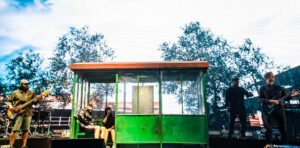
Indoor Foxes (Bella/Northern Exposure)
by Anne Kelly
Last week, Reading & Leeds Festival announced its biggest stage overhaul in years. Beyond the PR hype and social media buzz, the rebrand quietly glossed over a major shift: the removal of the iconic BBC Introducing Stage.
For nearly two decades, that platform was credited with launching some of music’s biggest exports – including Charli XCX, Raye, and Florence + The Machine (all headlining this year’s R&L Festival). This year, the festival is replacing it with “The Canopy”. Yet behind the new banner, the core lineup and booking pipeline remain practically identical.
So where is all this performative outrage coming from?
The collective meltdown over Reading & Leeds “dropping” the BBC Introducing stage is genuinely baffling. It’s not that the loss of public arts support isn’t a issue, but because the outrage is built on a complete fantasy of how mainstream music discovery actually works.
Let’s look at the facts. The BBC’s public service remit is one of the last bastions of non-commercialised media left. But when public funding is frozen and slashed, the arts are always the first onto the chopping block. The BBC was forced to gut its own regional radio network years ago, crippling the very local teams who actually scouted regional talent. By the time it reached a major festival, the “grassroots” pipeline was already running on fumes.
Ask yourself: why would a massive, sponsor-saturated, commercial festival give prime real estate to a platform that generates them zero revenue? And why do we pretend a massive corporate promoter was letting an independent BBC team freely curate a stage out of the goodness of their hearts?
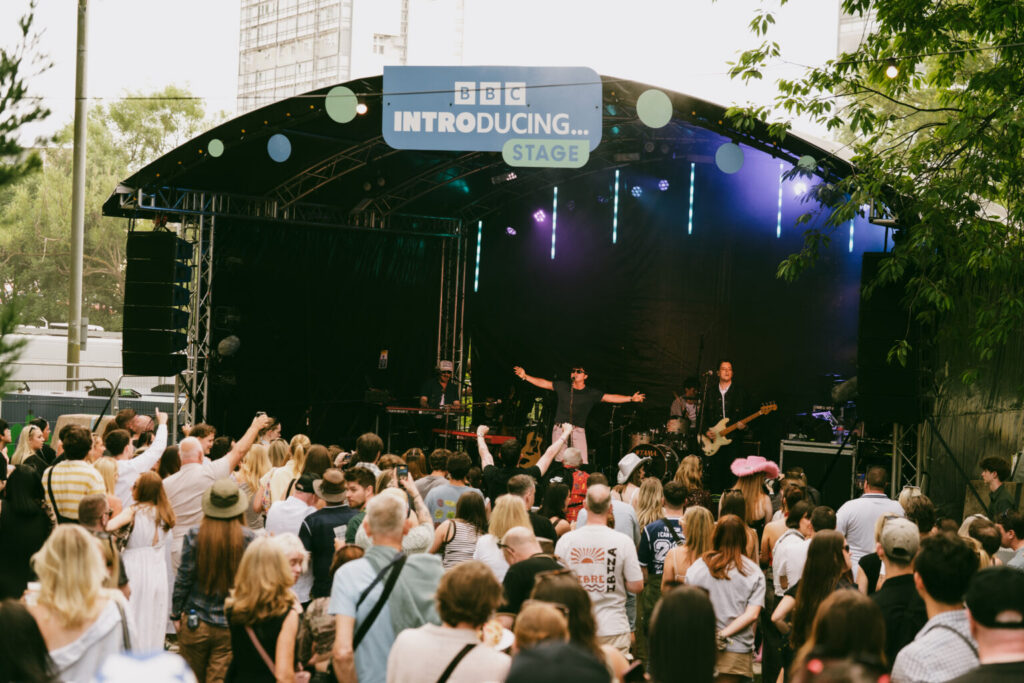
For years, commercial festivals enjoyed a lucrative deal: the taxpayer funded high-end media production and lent cultural “indie credibility” to a massive corporate machine. In return, booking agencies packaged up-and-coming talent alongside their arena headliners, funneling acts with existing PR budgets directly onto that “introducing” platform.
The outrage is nothing but performative nostalgia because, in practice, literally nothing has changed.
To act like dropping a logo from a stage is a death blow to new music is an insult to the actual grassroots. It completely ignores the independent zines, DIY promoters, community radio stations, and small-venue operators who spend every single day championing unknown talent with zero state safety net and zero corporate sponsorship. They are the ones doing the heavy lifting, while mainstream outlets only swoop in once a scene has already been built.
BBC Introducing hasn’t gone, and it will continue to host stages across many of the big UK festival players. Having already taken over the former “River Stage” at TRNSMT last month, the corporation will also be at Boardmasters, Latitude, Y Not Festival, Truck Festival and Green Man Festival.
And for anyone genuinely weeping for the loss of BBC’s presence on the lineup: I hope your TV licence is fully paid up. Otherwise, you’re not mourning a vital public institution – you’re just complaining that your favourite corporate festival lost its favourite public-funded aesthetic wrapper.