NO MUSIC FOR GENOCIDE, WHEN ART SAYS NO
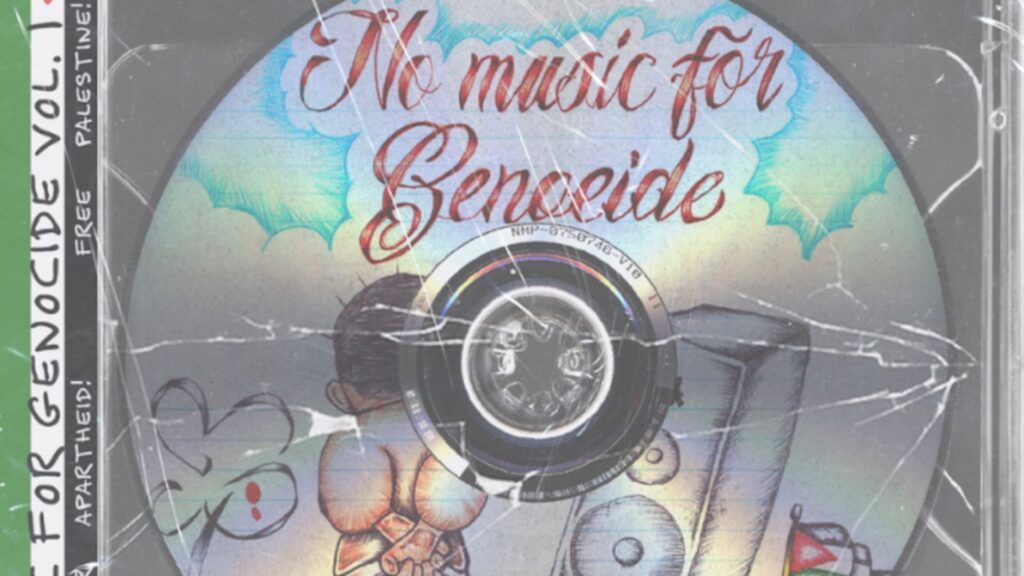
No Music For Genocide is a global cultural boycott movement launched in 2025 by over 400 artists and labels who are removing or geo-blocking their music from streaming platforms in Israel. It’s a direct response to what they describe as genocide in Gaza, ethnic cleansing in the West Bank, and apartheid within Israel.
Music has always been a tool for resistance, whether you’re for or against it, if you love music, you know this. Spouting the rhetoric of “Oh, just let me listen to my tunes without your annoying political crap.” just shows your ignorance. While I understand that some people aren’t political when it comes to music, you can’t deny its deeply rooted in it. When we look back to punk’s anti-establishment roars, gather insight from the years of hip-hop’s raw truth-telling, it has never just been entertainment, music is a weapon, a refuge, a rallying cry. And now, more than 400 artists have joined a movement called No Music for Genocide, pulling their tracks from Israeli streaming platforms in protest of the ongoing violence in Gaza.
This isn’t just symbolic. It’s strategic. It’s a refusal to let art be used to mask atrocities.
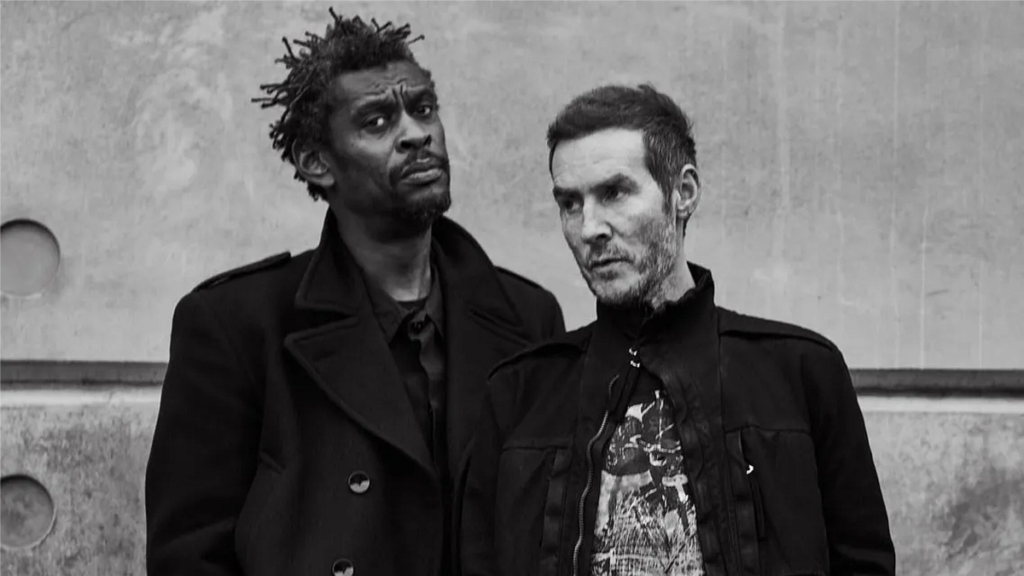
British legends, Massive Attack, have taken the major step of removing their songs from the popular streaming platform Spotify. Apart from taking this major step, they are currently supporting “No Music for Genocide.” This awareness drive is planning geo-blocking policies that would restrict their songs from being streamed within streaming services based in Israel. Other artists, mostly on independent imprints, joining the cause are Rina Sawayama, MIKE, Primal Scream, Faye Webster, Kneecap and Japanese Breakfast. They are joined by the likes of Yaeji, King Krule, MJ Lenderman, Mannequin Pussy, Wednesday, Soccer Mommy and MØ. To become part of the alliance, the artists concerned have altered their own release territories themselves or sent geo-block requests to their distributor or imprint. They are calling on major imprints Sony, UMG, and Warner to do likewise, especially as major groups have blocked their whole back catalogues from and closed stores in Russia a month after invading Ukraine.
My opinion? This movement is not only courageous, it’s needed. It’s waking us up to the uncomfortable reality that we’ve been distracted. At the same time artists are pulling their songs in protest of genocide, billionaires are flying private aircraft, governments are shying away from taking blame, and we’re being distracted with culture wars and turned against one another to keep us busy. The outrage over a song being geo-blocked in Israel is louder than the outrage over children being bombed in Gaza. That should stop us in our tracks.
We’ve been conditioned to react to symbols instead of systems. While we are distracted by arguing over flags, playlists, and social media posts, the real machinery of violence and exploitation hums quietly in the background, doing whatever it wants. Money talks, money makes the world go around, and most money comes from the blood and sweat of others. The fact that these brave artists are risking their entire careers to make a statement on genocide, while major labels stay silent, tells you everything you need to know about who’s really invested in justice and who’s invested in profit.
The music industry is far from innocent, and you’d be daft to think it is. We all know that the music industry is built on image, influence, and silence when it’s convenient and affects revenue. But this movement is cutting through that. What this campaign does and says is if music is going to be used to sell nationalism, to mask genocide, to distract us from billionaires hoarding wealth while the world burns, then maybe it’s time to pull the plug on that poison.
Are we brave enough to stand with the artists who are refusing to play along? Or are we too comfortable dancing to the soundtrack of denial? Below is a set of questions I feel movements like this usually attract. I don’t find them tough questions to be honest, I didn’t have to think twice about backing this movement, but here we go.
Tough Question #1: Is this just performative activism?
No. These artists aren’t just tweeting hashtags, or attention seeking as anyone who posts their heartbreak about children’s limbs been blown off is accused of, they’re taking action that affects their visibility, income, and reach. Geo-blocking music in Israel is a deliberate move to disrupt normalisation. It’s not about punishing listeners, it’s about refusing complicity. As Massive Attack put it,
“Culture can’t stop bombs on its own, but it can help reject political repression”.
Tough Question #2: Isn’t this targeting ordinary people?
The boycott targets institutions, not individuals. The goal isn’t to isolate Israeli citizens, there’s a percentage of Israelis against the genocide. It’s to challenge the platforms and companies that are complicit in the state violence against Palestine. Just like the cultural boycott of apartheid that happened in South Africa, it’s about pressuring systems that are complicit, not punishing the actual people.
Tough Question #3: What about antisemitism?
Criticism of a government is not the same as hatred of the people, it never shocks me to what degree people confuse this. The Israeli government often conflates the two, most likely deliberately, but many of the artists involved, including Jewish voices, are clear that this is about human rights, not identity. The movement explicitly rejects antisemitism, which is very important to state, and focuses on ending complicity in genocide.
Tough Question #4: Will this actually change anything?
It already is. The conversation is shifting. Major labels like Sony, Universal, and Warner are being called out for their silence. The same companies that pulled out of Russia after its invasion of Ukraine are now being asked: Why not here? The pressure is mounting, and culture is leading where politics won’t.
This isn’t about cancel culture. It’s about conscience. When bombs fall and children starve, silence is not neutral, it’s an endorsement. These artists are choosing to make noise, even if it costs them, and that is something to get behind.
So here’s the real question: If music can be a tool for justice, what are we doing with ours?
If you’re listening, listen ethically. Platforms like Bandcamp still offer the closest thing to direct artist support, though its acquisition by Songtradr muddies the waters. Resonate and Sonstream are building fairer models, cooperative, decentralised, and free of ties to Israeli entities. They’re not mainstream yet, but neither is genocide-normalising silence. Radio Alhara, broadcasting from the occupied West Bank, hosts solidarity takeovers that refuse to aestheticise violence. These aren’t just playlists, they’re protest frequencies.
Spotify, Apple Music, YouTube Music, Amazon Music… Geo-blocked. Boycotted. Artists are demanding major labels follow suit, invoking the apartheid-era precedent.
Massive Attack, photo by Warren Du Preez