THE UGLY TRUTH: GRASSROOTS MUSIC IS BEING CRUSHED BY EGO AND ECONOMICS

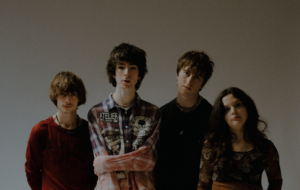
Abbie Gordon (Hope Simmers/Northern Exposure)
Disclaimer: If you are a positive Peter who ignores all the facts laid out by people like the Music Venue Trust, this piece maybe isnt for you…
Over the last few weeks, I’ve been thinking a lot about the music industry, from tiny local gigs and underground scenes right up to big festivals and the industry machine itself. At the end of the day, it should all be about creativity, collaboration, and real human connection (it should, of course, it’s not…). Way too often, it feels poisoned by competition, ego, and nasty social politics. It is a business at the end of the day, a business that comes with a shitload of massive egos. “Being cool” becomes the main draw, and these horrible little cliques start forming. The music ecosystem is warped by scarcity and ego.
“The scene is so tiny, and everyone’s fighting over the same 50-100 regulars who actually show up to midweek gigs. You end up with this weird thing where promoters are badmouthing each other’s lineups or quietly block bands from playing rival nights because ‘they’re one of X’s acts.’ It’s not always malice, no, you’re right, it’s survival. When margins are this terribly thin and venues are closing left and right, your ‘brand’ as the guy who books the coolest shit becomes your only real asset. Again, you’re right, the ego go creeps in because admitting another promoter ran a better night or helped a band blow up feels like you’re losing ground. We all say we’re in it for the music, we are, and most of us all want a healthy community, but when attendance is make-or-break, competitiveness turns into gatekeeping and cliques pretty fast. We’ve got to live and earn. Burnout makes it all so much worse, you’re knackered, skint, and suddenly every other promoter looks like they’re out to steal your crowd or your reputation. But if you dare mention any of this, you’re negative.” Anonymous
I saw it constantly in my first few years. It was all endless networking. If you’re hungry to “make it” fast, that networking very quickly turns into straight-up arse-kissing, and I’ve always refused to play that game. There’s this weird vibe where other people’s success feels like a threat. I quickly picked up on that backhanded support, “We want you to do well… just not better than us.” Then you’ve got the gatekeeping, the superiority complexes, the quiet (or not-so-quiet) ageism and ableism that slowly push people out. I’ve watched what that actually does, it kills innovation because everyone’s too stressed and paranoid to take risks. You end up with burned-out artists, promoters, journalists, and photographers everywhere, and scenes that chew up their own instead of supporting them.
People are so desperate to work in music that they’ll work for free, turning their passion and art into an expensive hobby rather than a career. The scene isn’t struggling because of a lack of passion. It’s struggling because too many people are coasting on other people’s passion.
The people who actually get proper wages in the industry almost always focus on the positive side, which makes sense when you’ve got sponsors to please and bills to pay. Positive things are happening, but there’s still a lot of negative shit that rarely gets discussed.
It feels like you’re bullied into staying quiet about the darker side of promoting. This toxic positivity in a genuinely struggling scene only makes the real problems harder to fix.
One thing I need to talk about is promoters. In many of my write-ups recently, they have been mentioned in the comments a lot. I’ve had plenty of conversations with some of these people, and some of it isn’t pretty. I’ve also seen it with my own eyes. If I were running some of the gigs bands have described to me, and I’ve attended, I’d have had a nervous breakdown on the spot. Stories keep coming in about delayed payments, fees that barely cover the miles driven and the effort, half-organised nights with dodgy sound, tickets that weren’t properly pushed, and everyone left waiting because “cashflow’s tight this month.” As much as we can understand that everyone’s struggling and running under tight margins, it leaves a bad taste, especially when you’re already exhausted from loading your own gear after a long drive.
The industry keeps preaching ‘community’ while running on burnout, ego, and the bodies of the people who actually make the music happen.
But let’s be clear, it’s nuanced. Not every late payment or late fee comes from shady behaviour. Most grassroots promoters are putting their heart and soul into it. They’re not chasing fast quids, they’re risking their own cash (or the venue’s) to book deserving bands in rooms that big tours often skip. We need to call out the real problems honestly while recognising the good ones who keep the scene alive.
At the small end, local pubs, DIY spaces, and independent venues, the promoter is often one person or a tiny team wearing every hat, booking, ticketing, sound, and locking up. These people are the lifeline of the UK indie circuit.
The evidence is there in black and white for us all to see. The Music Venue Trust’s 2025 Annual Report shows 801 grassroots music venues hosted events, drew 21.6 million audience visits, and contributed over £500 million to the economy. Yet 53% made no profit at all, with average profit margins stuck at a dismal 2.5%. Costs have risen sharply, and recent government changes to National Insurance and business rates added heavy pressure, resulting in around 6,000 job losses (a 19% drop) and 30 venues closing permanently. Another 175 towns and cities no longer host regular touring shows. This directly shrinks opportunities for emerging bands and piles more pressure onto the remaining promoters, which explains why payments get delayed, and fees stay tight.

Because margins are this thin, cash-flow problems hit hard. A promoter might book you in good faith because they love the music, but a quiet night or unexpected costs (rent, staff, PRS, PA hire) can leave them short. Bills don’t wait, so artist guarantees sometimes get delayed. It’s not right, and it frustrates bands who are already grinding, but it’s often survival, not greed. The MVT report puts it bluntly, the current economic model for grassroots live music is no longer working. The Association of Independent Promoters’ 2025 report paints a similar picture: 55% of independent promoters need second jobs, 69% receive no external funding, and 57% say it’s hitting their mental health hard. When promoters are burned out and juggling other work, it’s no surprise that the organisation or marketing sometimes falls back on the bands.
This economic fragility doesn’t just cause practical headaches, it supercharges the ego and crab-mentality problems I’ve described. With more than half the venues making no profit and everyone running on 2.5% margins, fear takes over. Promoters start operating defensively, favouring better-connected acts, ramping up marketing only for the “cooler” names, or quietly giving prime slots elsewhere. Gatekeeping creeps in, burnout turns into short tempers and passive-aggressive silence. Scarcity makes the same toxic cycle louder and more damaging across the entire ecosystem.
Some people aren’t protecting the culture, they’re protecting their tiny slice of power in a dying system. Scared to death to pull rank. Too many people in this industry would rather guard their tiny kingdom than grow a healthy scene.
That said, the vast majority of grassroots promoters are in it because they genuinely believe in the songs and want to help bands grow. They subsidise the scene with their time, stress, and often their own money. A lot are now working together, but that’s taken years to begin happening. Initiatives like MVT’s Liveline programme (partnering with AIP and Save Our Scene) show what’s possible by covering costs, reducing risk, and guaranteeing artist fees on targeted tours.
To actually fix these problems at scale, the talk around a Grassroots Levy on big-ticket commercial shows needs to stop being just talk. It’s time for action. At the top end, major promoters like Live Nation, AEG, and SJM can run slick operations with proper systems, teams, and reliable payment processes because they’ve got the resources. Meanwhile, the grassroots foundation underneath them is still hanging by a thread. The issues, late payments, disorganisation, and low fees are real, and they take a toll. One band told me they waited six weeks for a £50 payment. Most of the time, this isn’t because someone’s trying to be dodgy, it’s what happens when an entire sector is scraping by on 2.5% margins. Pay-to-play setups only make things worse, and it’s no surprise the Musicians’ Union, MVT, and AIP have pushed back hard against them. At the end of the day, bands, promoters, and venues are all tied to the same fate. When one part of the ecosystem suffers, the whole thing weakens. The strongest scenes are the ones where people look out for each other and keep the focus where it belongs, on the music.
If your entire operation collapses the moment artists ask to be paid fairly or on time, you’re not running a scene, you’re running a scam. Fragility of the system should not be used as a shield for bad practice.
To every band and every fan out there: keep tagging the new acts you’re discovering and going to see live. Keep sharing your stories, hyping each other up, and giving proper credit where it’s due. Looking out for one another shouldn’t be the exception it should just be how we do things in this scene. Deep down, we all know that’s the way it should be.
To the good promoters doing it right, massive respect. You’re the ones keeping the rooms alive and giving bands a real, fair shot. Stay honest, stay transparent, and look after people where you can. That stuff doesn’t go unnoticed, and it builds real loyalty that lasts.
That said, the reality on the ground is tough. As one anonymous voice put it: “Venues and promoters can’t keep putting on underattended shows anymore. Everyone loses. The artist doesn’t get what they hoped for, we take the financial hit, and the venue starts wondering if it’s even worth booking us again. People are skint right now. They’ll happily drop 50 or more on a big arena name, but they won’t risk 15 on an emerging act. In the end, we have to pull shows or scale them right back because the risk is just too high.”
To anyone dropping the ball, sort the basics. Clear communication and basic organisation cost nothing, but they buy a huge amount of goodwill. Ego trips and cutting corners don’t build anything that lasts.
Some people are worried that slapping on even a tiny £1 levy will make tickets for the big shows more expensive. But come on, when arena gigs are already £60–£150 a pop, one quid is literally nothing. And honestly, it’s the smartest way to reinvest in the future. Without proper support for the grassroots clubs and small venues, we’re going to run out of new bands and new fans. The whole ecosystem dries up.
Then you get the “but enforcement would be a nightmare” crowd. Nah. Ticket platforms and box offices already juggle dynamic pricing, booking fees, charity add-ons, and all sorts of complicated stuff every single day. We’re not reinventing the wheel here, we can copy the systems that already work for other cultural levies and keep it dead simple and transparent so no one’s drowning in paperwork.
And the classic line “The industry should just fix this itself.” Yeah, voluntary action would be ideal. That’s exactly why there’s a clear June 2026 deadline, plenty of time to see if the big players step up properly. But let’s be real, venues are still closing left and right, people are losing jobs, and the grassroots scene is on life support. We can’t just keep pretending everything’s fine and hope it sorts itself out. The can’s been kicked far enough.