GET TOGETHER FESTIVAL PROVES NEW MUSIC STILL SLAPS AS HARD AS THE LEGENDS
A passionate defence of the present against the tyranny of the past…
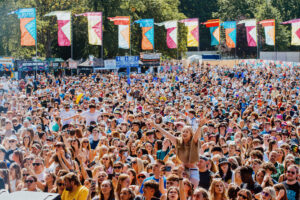
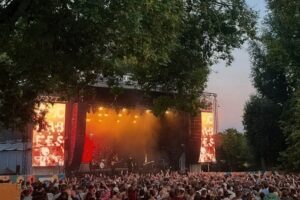
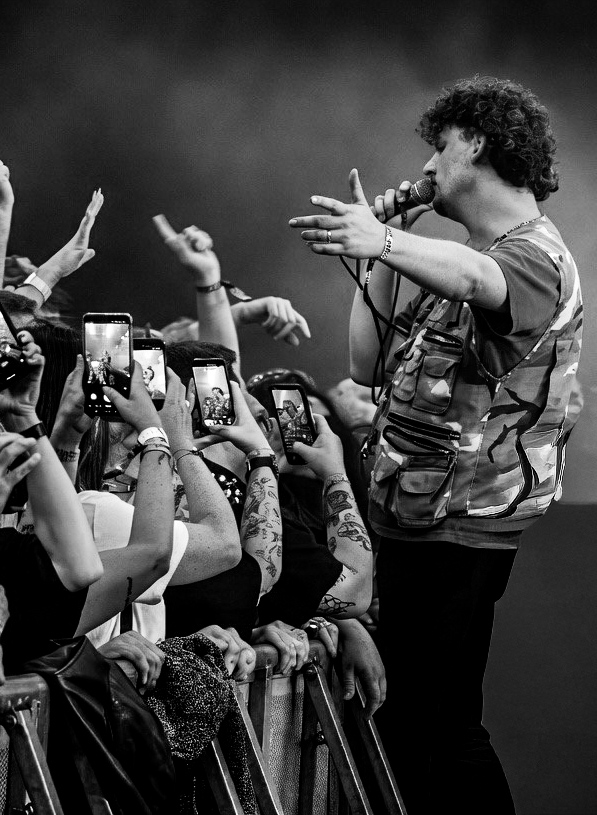
On Saturday evening, up-and-coming and a few established bands took the stage at Get Together Festival in Sheffield. The atmosphere was typical Sheffield, a bit lairy and with all new music festivals that feeling of endless possibilities especially when for once, nostalgia wasn’t the theme of everything. Woooo. Sorry for my sarcasm, but after another sea of disappointing festival announcements this is where Get Together nails it every time.
Yet as I sat down to write this on my meditation retreat (hence why it’s late), I caught myself slipping into the usual sentences “Amazing, fresh bands actually doing something new.” Then straight away the same old question that has rattled around my brain for over a decade, why do moments like this still feel like the exception when so many of us keep obsessing over long-dead or decades-old icons?
Anniversaries I get, of course I do, Ian Curtis’s was only yesterday and Joy Division are one of my favourite bands. But when it’s just filler content, come on, there are hundreds of active bands out there who deserve proper articles. The uncomfortable truth is most people still don’t give new music nearly the same attention as the legends and it’s sad not to mention lazy. Social media proves it every time.
Get on the feed and it’s obvious, everyone’s still losing their minds over musicians who died years ago or albums from their own youth. I’ve tested it many times, I’ve posted about Kurt Cobain, Ian Curtis or The Cure and like clockwork the likes and shares pour in. Madonna? Millions, but you post and rave about a fresh band? Good luck getting even one share from your mates or even your mum.
The legends’ status is untouchable, fair enough. I’m not denying that. But somewhere along the way the classics became the main course and contemporary stuff got relegated to a soggy side dish. Do you have to die young to get mythologised these days? Why aren’t more people properly excited about bands making brilliant, relevant music right now? Because it’s out there. And honestly, are music journalists actually doing their job? Because to me it feels like mags and zines are more obsessed with how something performs online than the actual music.
This nostalgia bias is lazy, self-reinforcing, and actually damaging. It starves current bands of attention and oxygen.
Contemporary music is flourishing, again it’s everywhere. New bands are coming up underground and tearing it up at festivals like Get Together constantly. But most articles, podcasts, playlists and docs are still fixated on artists who stopped making new music decades ago or who are dead. It’s the safe play. Dead artists can’t drop a disappointing album or post something that ruins the myth.
Nostalgia sells, obviously, that’s why we get endless reissues, anniversary tours, festival line ups that make you want to scream and Record Store Day crap. Dead legends can’t sue you, don’t age badly, and won’t mess up the story we built around them. Living ones with big back catalogues still print money easy peasy. But this all comes at a cost, we judge every new band against some idealised golden version of the past.
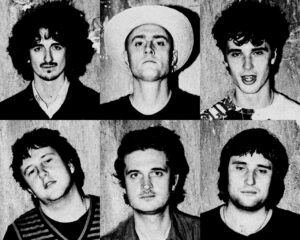
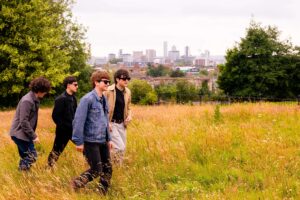
Take Saturday night. Deadletter showed exactly why that’s bullshit. They’ve evolved from their debut EP into something sharper on Existence Is Bliss, rough edges polished but still vicious as fuck. Performance on point. That saxophone ripping through the crowd while Zac Lawrence spat self-deprecating black humour about digital disconnection, economic nonsense and finding beauty in the chaos. Empathetic and misanthropic at the same time. Nothing safe or predictable and I’ll be doing a deep dive into their insanely brilliant new album soon.
And they weren’t the only ones. Fat Dog brought their pure chaotic electro-punk mayhem, Lime Garden delivered those sharp, addictive hooks that get stuck in your head, and Jessica Winter had the whole place moving with that glitchy energy. Far from alone.
Away from Saturday night The Murder Capital are turning pain into poetry, Fontaines D.C. making urban loneliness feel physical. Globally Kendrick, Billie, Tyler, Rosalía and Burna Boy are still pushing it forward.
So how the hell are the current generation meant to break through when we’re all stuck in retrospective mode? A glowing Bowie or Curtis anniversary piece takes up space that could go to bands still fighting to “break” in the TikTok million-likes era. Fuck that. Social media is a cesspit where true talent gets lost to the algorithm. The cycle is vicious and self-reinforcing.
We all grew up with our rock gods, so yes it’s easier to pick apart their completed catalogues than follow messy, unfinished careers. Legacy tours pay the bills and ultimately new bands might flop. But if we keep this up we’re basically admitting the best music is already behind us. It’s isn’t.
Sure, we should still respect the past there’s loads to learn from those old bastards. But Get Together kicked me square in the teeth and reminded me modern music can still hit just as hard. My own excitement had been slowly dying after watching way too many bands pathetically impersonating their heroes. It’s exhausting, honestly. But Deadletter and the others slapped me awake and proved there are bands out there every bit as good, if not better.
Get Together was concrete proof that new music can be just as powerful, relevant and exciting as the classics. The festival had raw “endless possibilities” the exactly the opposite of most big festival line-ups this year.
It’s not just about festivals, writing about new albums and live shows with the same passion as another reissue anniversary should be standard. Get Together made me face up to my own recent nostalgic bias and probably a lot of other people’s too. First step is admitting it. Because nothing captures the present moment like music does. Time we started paying proper attention.