IS NOSTALGIA KILLING LIVE MUSIC? ARE WE FLOGGING A DEAD HORSE?
Before anyone gets wound up, this isn’t a moan, and it’s not a blame game. It’s a reality check. The scene is shifting, the world has changed, and a lot of us are still trying to drag the 90s into 2025. This article is about why that’s happening, why it’s nobody’s fault, and why understanding it matters more than getting defensive. This piece is rooted in what I’ve seen first‑hand, but it’s also backed by the new MVT report that dropped yesterday. Their data basically confirms what many of us have been feeling for a long time, the landscape has changed, and nostalgia isn’t going to bring the old model back. The MVT report doesn’t use the word nostalgia, but it does say the old pipeline is breaking because the infrastructure is collapsing. Here’s my personal interpretation.
Live music isn’t dead. People have been saying it for years, and every time someone questions it, the unsigned scene jumps in with “No it’s not!” and calls you negative. I’ve been that person, positive Peter ready to come at people guns blazing if they dare say one negative thing. And yes, some gigs are absolutely flying. I put one on a few weeks ago with a group of young musicians and it was rammed. But let’s be honest, it wasn’t proof the old model still works. It was the injection of youth, energy and relevance that made it take off. I left everything down to a fantastic young guy who I give total credit to.
That’s the bit we keep missing. The scene is changing. It has been for years. People say they understand that, but they’re still clinging to what it used to be, heads in the sand, working twice as hard to drag the past back. We talk a big game about tapping into what the youth want, but the truth is we’re not listening. We’re still trying to sell them our 90s dream while ignoring what actually speaks to them now.
A lot of people are too busy trying to resurrect the old corpse to notice they are the ones holding the shovel.
I’ve been knocking around the unsigned/grassroots music scene and writing about it for years. Some parts are getting better, others are getting really tough. This morning, after reading the latest Music Venue Trust update, it finally hit me. It’s about time it did and it’s something that when I look at it now becomes really apparent. So many of us are still trying to relive our youth through the gigs we grew up with. The change couldn’t be any more far apart the internet has just absolutely annihilated everything and I know people will say yeah, I know we’ve tried to work with it, of course, we all have but we are up against trying to recreate scenes with that big fuck off elephant in the room. The cultural shift is HUGE. The old ways of building a career from nothing have pretty much disappeared for many bands. It’s sad, and no amount of looking back fixes that.
Since 2015, rising costs and shifting audience habits have made things much harder. Promoters, managers and venue owners have been working their arses off. They try new ideas, scrape together funding, often from their own pockets, and do everything they can to keep the doors open and the stages lit. They have lobbied, begged for government help, and fought tooth and nail. It has been exhausting to watch, but often heroic.
Still, it feels like we are swimming against the tide. How many years are we going to say, this year it’ll come back?
The internet and social media was supposed to help new artists get noticed. Instead, it mostly gives them a quick moment of attention before the algorithm moves on. One video goes viral for a day or two, then it disappears. There is no real staying power anymore and no slow burn like you used to get from a brilliant live show and word of mouth. Without that lasting connection, it has become much harder for bands to build loyal fans over time.
Touring and record sales used to be the backbone of a band’s career, that’s common knowledge. Now it is optional or simply too hard for most, people can barely afford a comfortable life after they’ve paid their rent and bills, never mind coughing money in front to tour without support. Practising in proper reversal rooms is a stretch for many, and recording? I could go on and on. The old days of piling into a van, playing two hundred gigs a year (to a handful of people a lot of the time), sleeping on floors and turning strangers into fans town by town feel like ancient history. Fuel, accommodation, insurance and visas all cost more, while many fans only spend when it is a big event. Without those road miles, the deep connections that once sustained careers never form.
Song writing has suffered too, do not get me wrong some of the lyrics out their are top notch but now, everyone is stuck being a full time content machine, posting, replying, chasing playlists and sorting admin, all on top of a day job. There is simply no time left to let ideas sit and grow, and you can hear it in much of the music.
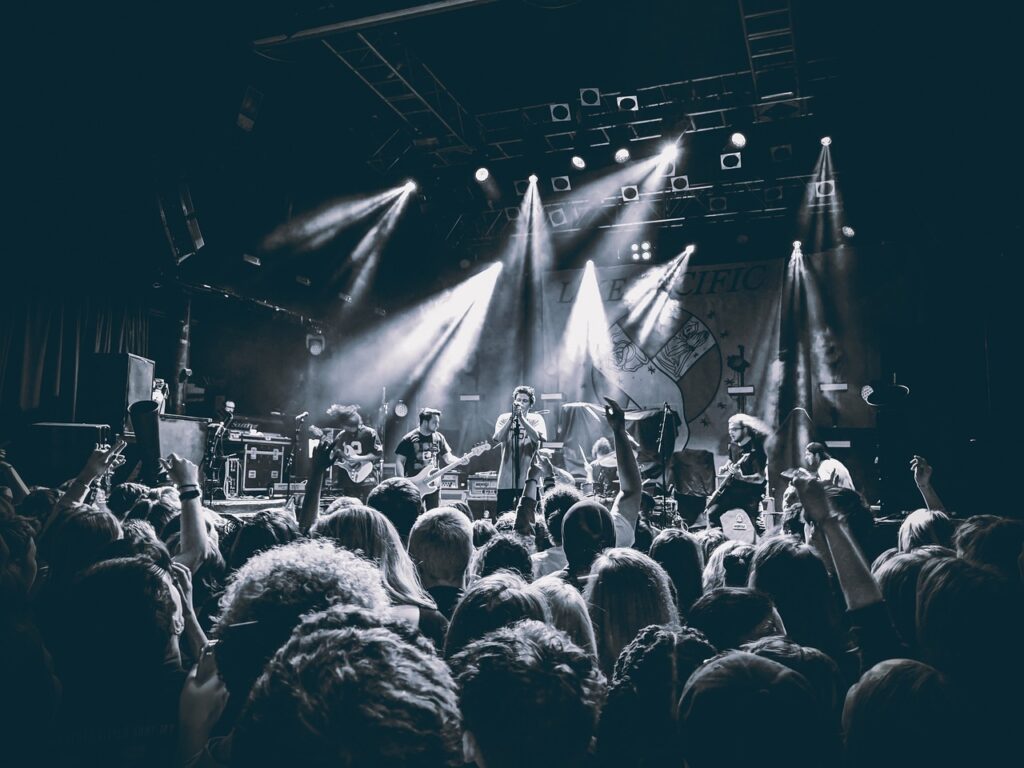
There used to be fewer outlets, so a decent band could really stand out. Journalism mattered. Now music is everywhere. Nothing really cuts through unless you have paid promotion or pure luck. Live music used to be what made a band. Gigs were built on word of mouth and you would travel anywhere to see the band everyone was talking about. Even strong industry connections do not guarantee a breakthrough anymore. Streaming pays almost nothing, so most independent artists remain trapped in a cycle that barely covers the basics.
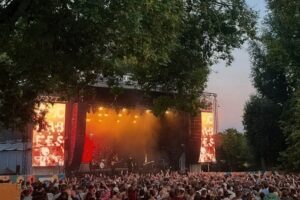
These same pressures show up clearly in the venues and the touring circuit. According to the Music Venue Trust’s 2025 Annual Report, more than half of UK grassroots venues made no profit last year, with average margins sitting at just 2.5 percent. Thirty venues have closed permanently and 175 towns and cities, home to around 25 million people, no longer get regular touring shows. Places like Sheffield get missed off routes far too often. Many venues feel one bad month away from closing, and the sector has lost around 6,000 jobs.
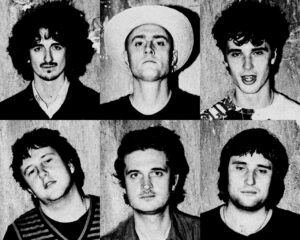
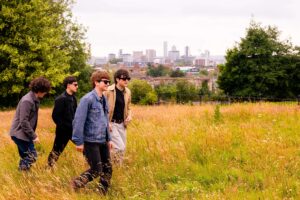
As a result, the old slow build pipeline that used to nurture new talent has almost vanished. Careers once took years of gigs, patience and word of mouth. Now everything demands quick virality or you are forgotten. Some bands still break through the old way. Fontaine’s DC gigged relentlessly I followed them from the early days, and their hard work eventually paid off. When the connection with the crowd is real and you’re not trying to be something you’re not, the authenticity breaks through.
Yet the contradictions run deep. The same music fans who complain about greed and dynamic pricing when arena tickets go up will still find the cash for those big nights, even if it goes on the credit card and leaves them skint for months. That same wallet often stays shut for a tenner or fifteen quid down the road. The Fan Led Review from Parliament’s Culture, Media and Sport Committee last week highlighted how unfair parts of the pricing system feel for ordinary fans.
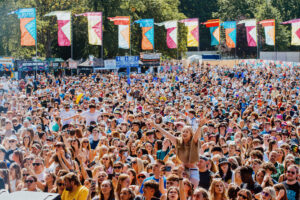
Young people grew up differently too. Many are not into bands the way we were. Playlists, TikTok and quick hits have replaced garage scenes and proper sweaty rooms. Phones at gigs make things worse. Live music often feels like something to film rather than something to experience. At Coachella, Madonna at 67 danced like her life depended on it, while half the crowd simply held up phones. That shift chips away at the shared feeling that once made small rooms special.
Audiences have become pickier overall. They save their big spends for blockbuster event nights while streaming keeps everything cheap and endless at home. Trying to force the old pre 2015 density of gigs every night simply wears everyone out. All this leaves those of us who came up in the 90s quietly remembering the old days. Bands could build something real, scenes felt alive, and there was always that buzz of discovery, actual tickets, record shops, the sense that something exciting waited round the corner. It is easy to romanticise it.
But we have to watch ourselves. We cannot turn into a clique of 90s kids preaching only to each other. The kids today do not have the same 90s mentality. And let’s be fair, it is often the older crowd who are still turning up and supporting new music. We cannot gatekeep the scene and then wonder why younger faces stay away. It sometimes feels like two separate camps: one chasing youth and ignoring older supporters, the other appealing only to the older generation. And a lot of young indie bands today are having the 90s forced down their throats since birth, just like their dads tried to shove the Beatles and the Stones down theirs. I mean it’s not a bad thing but we need to carve out originality too (this is another article I’m working on.) That’s exactly why so many bands in certain circles all sound the same.
Here is the honest part that sometimes hurts. Are we fighting so hard to prop up a model that might never return? Is our 90s nostalgia actually holding progress back? This morning after reading the report it really landed for me, so many of us are trying to relive our youth, and in doing so are we not looking at new, current ways to support new music?
The industry is trying to respond. Just yesterday the Music Venue Trust announced their new booklet, Developing The Future of Grassroots Music Venues. They are moving beyond pure survival mode, putting two hundred thousand pounds from The LIVE Trust, the one pound per ticket levy, into practical work on the ground. This includes upgrades to sound and lighting through Raise The Standard, artist accommodation through Stay The Night and Feel At Home, solar energy savings through Off The Grid, and Liveline, which has already helped deliver over 75 new gigs in 28 smaller towns this year.
Beverley Whitrick from MVT put it plainly, the grassroots sector needs investment, not just admiration. Battling through is not sustainable, but that’s what so many of us have been doing for years. When you are so passionate about something, you will literally put your neck on the line financially and emotionally. The saddest thing is some people do it out of genuine care, others for clout.
Some electronic scenes are showing real growth according to recent NTIA reports, which proves that adaptation can work in places. Yet the 2025 numbers still show most venues scraping by on tiny margins and the touring circuit shrinking in many areas. The broader shift toward quick hits, phone filled crowds and selective spending has created a very different world.
Live music is not dying. It is changing shape.
Maybe the future is not about recreating what was, everywhere we can. Maybe it is about building something smaller, leaner and more realistic, focused on where genuine demand exists and making space for everyone who still shows up. Talent and heart have not disappeared. They are simply on a steeper road now, one that rewards clear eyed realism as much as old school graft. The old days had gatekeepers, but they also offered clearer ladders and hungrier audiences. Today’s tools are powerful, yet some of the old foundations have quietly disappeared. We need to really accept that.
We can and probably should keep fighting because this cultural stuff matters. But we owe it to ourselves to be honest. Are we clinging to something that is gone, or can we help shape what comes next?
The stages we still have deserve to stay open, but not at any price. Burnout and emotional, financial and physical exhaustion are real in these scenes.
In music, as in life, the real trick is knowing when to let go of what is properly finished while fighting hard for what is still worth keeping. That is the hard balance.