IS THE GAME GONE? AN INSIGHT INTO LIVE MUSIC IN 2025

Pawsa - PL25 (Hope Simmers/Northern Exposure)
2025 characterises itself as the quarterly crisis of the century; socially, politically and financially – and that’s just the world of live music. With the changing social dynamic influenced by social media, the corporate takeover of the music industry is capitalising on its growth and making fools of us all.
TicketBastard…
July 2025 is boasting some of the most highly sought-after events as well as the most tear-jerking price points. The simplistic capitalist drain of ‘supply and demand’ will always rocket a ticket price on the black market, but with a resurgence of reunions and tenacious tours, the fever dream turns sour.
Whilst ticket sites build Fort Knox to “beat the bots”, they costume themselves as touts, the resale market loses its once valued and dirty niche to its new competitor. Impossible to ignore the hysteria last year, the Oasis Live 25 mania exposed Ticketmaster’s 15-year-old antics of ‘dynamic pricing’. The nationwide scramble for tickets unveiled the tri-fold greed of the Live Nation subsidiary, making front-page headlines in its truest form. The once £135 standard price point for the Britpop bandits’ Heaton Park gig rose to an astronomical £350 through the site’s ‘dynamic pricing’. And whilst the government bid to investigate the site’s tricks, the media failed to admit it had been running this ‘scam’ since 2011. Spinning their golden plates, Ticketmaster still find the nerve within their 20% fees of which are taken from the dynamic price to bleed the pockets of the consumer dry.
They Will Because They Can…
Ticketmaster should not walk away from the argument scott-free, but they are not solely accountable for the chaos that is the current state of live music. Cast your mind back to five years ago, walking into the Co-op, face mask on, fighting for loo roll, dreaming of the days you could return to a festival field. Though that may sound dystopian now, it resides as a time before the mass inflation and cultivation of the scene. With the infamous cost of living crisis, it is no surprise the price of live music is on an ever-growing incline. However, we may as well paint our noses red and run around doing dances for the promoters. Last time Oasis played Heaton Park in 2009, the gig was £38.50 plus booking fees. With inflation that roughly equates to £64, why are they eating out the palm of their £150 hands purely out of demand? And yes, the show may be bigger, the show may be better, the guns may have fallen silent, but is it worth the 120% increase?
In nine years, Beyonce’s East Standing Stadium ticket price has seen a 229% increase from £68.50 in 2016 to a pocket-diving £224 in 2025, and that’s before you’ve even thought of anything else. Hard-working and humble Stockport five-piece Blossoms have had a 50% increase from their 2020 Foolish Loving Spaces tour to their 2024 Gary tour, both playing host to 2000 capacity venues. Embarrassingly, the rise in ticket prices and booking fees is being hidden by a hysteria of a £1 grassroots venue levy, but there is a unanimous decision that the Emirates Stadium is not particularly struggling. Though not eligible for the charge, large venues are profiting from fans who are being judicated whether to support smaller artists and bands regularly, or miss out on heavily hyped, once-in-a-lifetime tours.
Ultimately, this is adding to the ongoing disappearance of grassroots venues and eventually bona fide, sedulous acts. The absurd surges rely purely on the fact that they can; the promoters can charge it because they know the fans will pay it. Larger artists that host stadium tours have the safety net of demographic-free audiences alongside their hardcore fanbase. The cult fans are expected to occupy the now other-worldly standing prices whilst the part-timers are now roped into paying the once untouchable prices to sit in the gods. The average fan is battling seeing a legend or a regular favourite whose ticket prices are now creeping into a historically expensive market, over a social media influenced justification of ‘it is what it is’.
Fan Vs Fiend…
To add salt to the wound, post-COVID, live music has become trendy again. If your TikTok, FYP or Instagram reels aren’t flooded with waves of ‘losing Ticketmaster wars’ or ‘GRWM for (insert concert)’, then what is it?
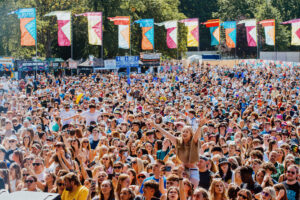
The increased fear of missing out and capitalisation of concerts, whether that be a surge of artist tees in Primark, excessive merch queues and collabs, it is all blocking the Ticketmaster queues and flooding the concerts with people who don’t know the artist or want to be there. Whilst everyone reserves the right to attend a concert they’ve paid for, live music loses its once community-driven environment to a divisive concoction of attendees.
Playing into this is the overexposure of ‘being at the front’. Videos surrounding barrier runs, overnight camping and the influx of almost pro-shot iPhone videos of artists, boosts a yearning for fans to indulge in this toxic certification of being a true fan or even just a content creator. Whilst keen fans have always dedicated their time to being in close proximity to their favourite artist, the once 6-hour queues are now two days of camping. Seas of fans are being pulled over barriers for dehydration and fatigue, or simply standing stationary through their camera, lacking the energy to engage, purely to get their footage.
Self-fulfilment and pleasure are being removed from the desire of concert-going, which is muddling itself into a craving sum of attention and self-worth.
This further derives itself from the music, but the idea of it, buying the limited-edition t-shirt from the pop-up shop you’ve also queued at for hours, variant collecting vinyl despite not owning a record player, and purchasing concert tickets like accolades to certify worth to a newly found online audience. The fan goes beyond supporting an artist, but pursues a lifestyle that the internet keeps feeding into due to the current trend cycle.
It’s easy enough to take a look at the recent marketing around Oasis Live 25 to understand how the concert experience is clawing more and more at the fans’ purses.
Do you need an Adidas X Oasis bucket hat to wear to your overpriced concert? Do you need the 25th anniversary edition of the album you’ve bought thrice already on multiple remasterings? Do you need the exclusive pop-up shop tour t-shirt to accompany your ever-expanding collection of limited merch drops?
Your Swifties and members of the Beyhive aren’t the predominant issue, though it often seems easier to point the finger at a young female audience. The concept expands to any artist as they can currently capitalise on any fan becoming extreme.
Fans are being used as ATMs for their passions, and one day the money will be gone. Effectively, the world of live music is the 2p machine in Blackpool. You spend all day putting your pennies in to win a keyring, as the man behind the desk watches and smirks, but you tell yourself you’ve had a great day.
More time, more effort and more money are expected from fans. As social media envisions a lifestyle and experience around music, the promoters, the ticket sites, the management, and yes, the artists are willing to continue watering the pandemic drought until it sinks. More and more independent festivals are cropping up, album anniversary tours like we’ve never seen before, inviting a strange dynamic to live events, delivered by financial circumstances. Music was never meant to be gatekept, not from wealth, not from gender or race or ethnicity. Music should be an inclusive community for those who want to self-identify.
However, the virtual world we are constructing, the industry tyrants are building in the real. Without forgoing the sacred task of repenting, live music is a trend that will eventually fall off, most likely financially. As music is one of the UK’s largest cultural exports, the preservation of live music should be prioritised in grassroots venues. It should be an invitation to all music fans to pursue their passion there, before it’s too late, getting swept up in the whirlwind of fan exploitation. As an individual, it should be a conscious effort to step back and analyse, to be a fan and attend, to enjoy your passion guilt-free, but to ultimately be aware.
Colloquially, the game is gone. Call it what you want, but this isn’t just anymore. It’s marketing in a minor key, and the silence that follows might be the most honest sound left.