THE FIGHT FOR ONLINE RELEVANCE, THE COLLAPSE OF MUSIC PRINT MEDIA
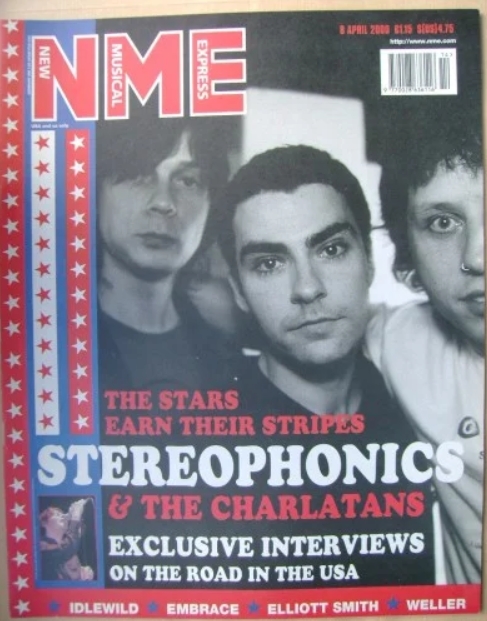
The death of print didn’t come with a bang, nope, it happened slowly, magazine by magazine, rack by rack, until the shelves were stripped bare. Rolling Stone got thinner and thinner, NME went digital only, Spin folded, and those great British weeklies that used to set your Saturday morning soundtrack turned into ghosts. I remember collecting magazines, piled up at the side of my desk then the next minute everything’s changing, even album booklets shrank into pathetic little credit card-sized files. Physical music journalism didn’t die because it stopped being good, far from it, it died because it stopped being clickable and that’s the saddest part.

We miss it for the most basic human reasons, there was real weight to it, to the words. A thick issue of The Face or Mojo felt like something real, something worth owning, holding it in your hands felt better than a screen glare. You could fold the corners, underline the best lines, spill coffee all over it and still keep that bastard for twenty years. You could rip out the posters and Blu-Tack them to your bedroom wall, I did that so many times. Cutting out the faces of my favourite bands and even making collages. The writing had room to breathe in a mag. A long feature on a band with just one EP wasn’t chasing an algorithm, it was trying to capture something honest. You read it on the bus, in the bath, on a park bench with no signal. It demanded your time, you had to sit with it and it fucking rewarded it, put that same review online today, and it gets skimmed in three seconds, ripped apart in the comments, and forgotten before the kettle even boils.
Physical stuff forced us to slow down, a CD booklet made you sit there and actually read every lyric while the album played. I miss that like hell. I used to study lyrics with every new tape, vinyl or CD I bought. A vinyl gatefold made you stare at the artwork like it was a painting in a gallery. You could scroll through a magazine. You couldn’t refresh it for likes, it was a permanent fixture. It existed in one fixed form, and that permanence gave the words real authority. Now everything feels temporary and I hate it. Every review reads like a half-finished draft waiting for the next platform update. The conversation never ends, it just gets louder and shallower.
So why did we stop reading physical things? Convenience is the lazy answer, but it’s not the real one. We stopped because we’ve been trained to worship speed over substance. A ten-second clip of a song on a reel beats a long, thoughtful essay in every metric that actually matters to the platforms. Attention is the new rare currency, and print refused to shrink itself into tiny, disposable bullshit. On top of that, the cost of paper, ink and distribution became fucking impossible once everyone got used to expecting everything for free. The economics died first, then the culture followed right behind it.
I’ve lost count of how many times I’ve seriously thought about doing a proper print version of Northern Exposure. But in this day and age, funding it out of your own pocket is a pipe dream. The time, the effort, the resources, it’s a massive undertaking, and the financial risk is brutal. Sponsors are an option, but they always come with strings attached. And for a magazine that’s always prided itself on staying independent, those compromises turn into real problems fast.

Still, it’s not all doom and gloom. While the big magazines faded away, something quieter and more stubborn has been growing in the rubble. A proper revival of independent zines and small print runs proves that passion and niche focus still mean something. Titles like So Young, Off Licence, Crack and DIY are still flying the flag for the underground scenes. Then there’s the smaller ones like us at Northern Exposure, Karma Mag and the rest, running on tiny budgets, limited print runs and a fuckload of heart. We’ve built loyal followings through honest, direct coverage of the UK underground and beyond. I was lucky enough to get some of my images in a This Feeling collaboration with Scotts Menswear. It was a reminder that when the right support and the right sponsors line up, print is still possible. Grassroots print still has a place, and that project proved it.
These independent zines aren’t surviving despite the digital age, they’re surviving partly because of it. They give you what screens never can, something you can actually hold, something permanent, something that drags you away from the endless noise. Younger readers, especially, are getting sick of digital burnout, and more of them are happy to pay for something real and collectable. Whether online or print, we’re not trying to be massive. We’re talking straight to the people who actually give a shit, building something sustainable through shared love instead of chasing numbers.
The lesson is simple with all this, print isn’t dead, not in our hearts. Mass market print that lived on advertising is, that’s deffo dead. When you protect your independence and deliver something with real substance and soul, people still want to hold it in their hands.
At the end of the day, one of the deepest reasons we chase likes is because the digital world turned validation into oxygen. It’s like we can’t live without having it and art and music didn’t become a fight for online relevance by accident. It’s like just the only game left, when st new album drops and the first question isn’t whether it’s any good, it’s how many streams it got in the first hour. That drives me mad. A photographer’s portrait series gets judged by saves, not by whether it actually moves you, the feelings being taken out. Musicians film vertical videos in their kitchens, not because that’s how they want their music heard, but because the platform rewards it. The work itself has become secondary to the performance of making the work.
We chase likes because the numbers are the only scoreboard we’ve got. Every heart emoji, every share, every “this slaps” comment is a tiny hit of proof that we still matter. The old print world gave slower, quieter proof it felt genuine and authentic. Someone bought your magazine, someone kept your record, someone underlined your sentence. That proof lasted a long time not two minutes. The new proof vanishes in a day and immediately demands another post, another reel, another desperate attempt to stay visible.
We didn’t just lose paper. We lost the permission to disappear into something for longer than a scroll allows. We lost the quiet authority of objects that didn’t need to trend. And somewhere along the way, we convinced ourselves that living for likes is the same as actually living. TikTok makes me feel a little sick every time I have to check our account. It is the opposite of why I ever cared about music or photography in the first place.
The saddest part is how many artists, writers, and creators think they’re winning because a post got a few thousand views. They chase the numbers like it’s a victory, but most of them are building on quicksand. Likes feel good for a second, then they’re gone. They don’t buy you dinner, they don’t build a loyal audience, and they sure as hell don’t mean your work is actually connecting. You can rack up ten thousand likes and still feel completely invisible the moment you log off. That’s not success. That’s digital noise dressed up as achievement.
The fight for relevance online isn’t creative. It’s fucking exhausting. And now and then, when the notifications finally stop, and the room goes quiet, you can still hear the faint rustle of something we used to hold and actually read. It’s still there, waiting. All we have to do is miss it enough to pick it up again.