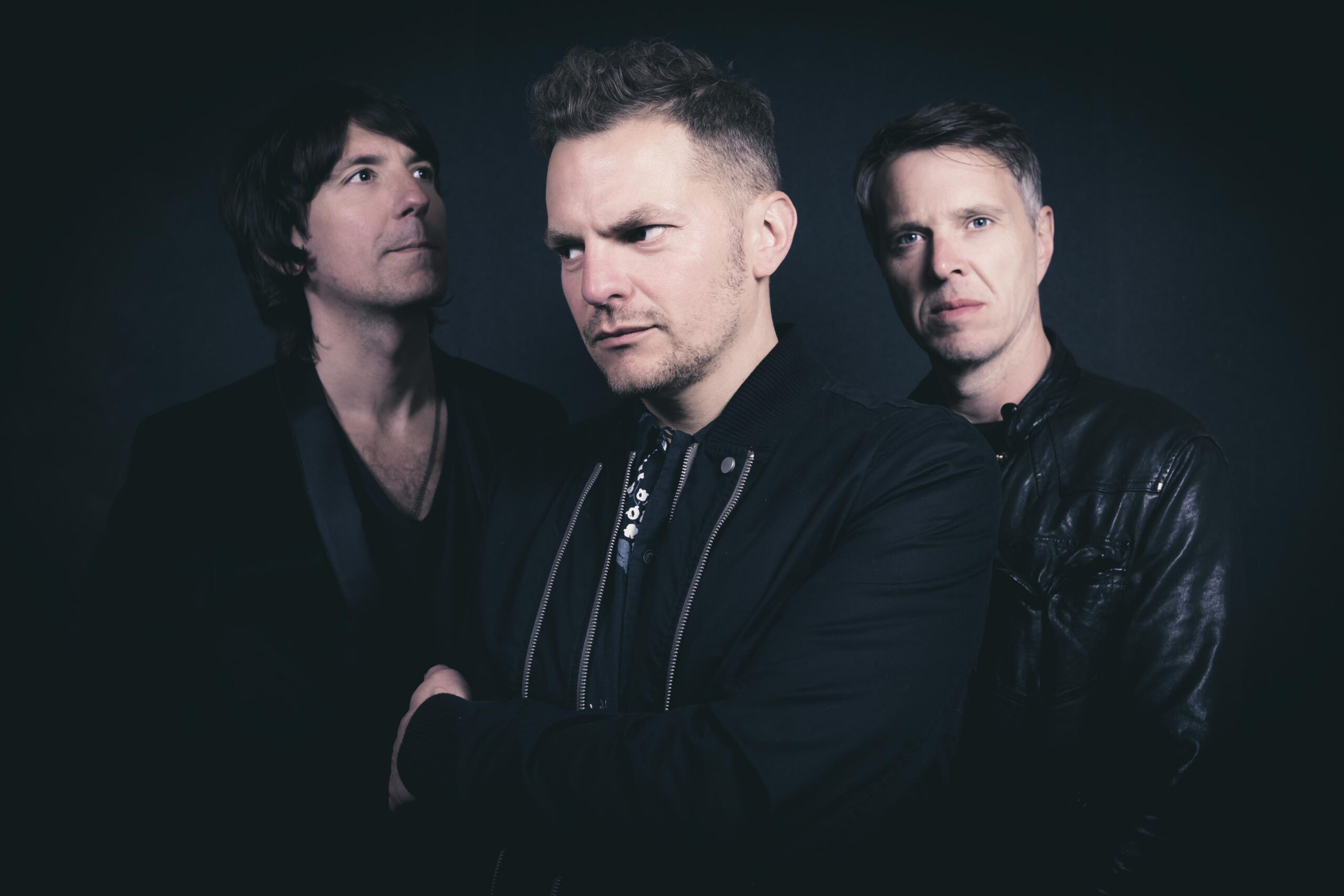
Mention Toploader and most people will think of Dancing In The Moonlight. That’s the upside and downside of having a song that refuses to go away. It’s still played everywhere, still gets people singing along, and still introduces new listeners to the band. The flip side is that it can make everything else easy to overlook.
More than 25 years after breaking through, Toploader are still writing and recording. New single Sleepyhead is their first new material in over a decade, which feels like a long time even to lead singer Joe Washbourn.
“I can’t believe it’s been that long,” he says. “I was always writing so not sure why it has taken so long. We like to play the new songs live so we can get a feel for them, but ten years seems a bit excessive. It was the right time to finally get back in the studio for sure.”
Joe doesn’t sound particularly interested in looking backwards though, which is good to hear.
“As a band I hope we try to always move forward, whether that’s making the set better every year or recording new material,” he explains. “I definitely don’t sit around trying to write stuff like the first album. How could I? We’ve all changed and grown so much and the writing reflects that.”
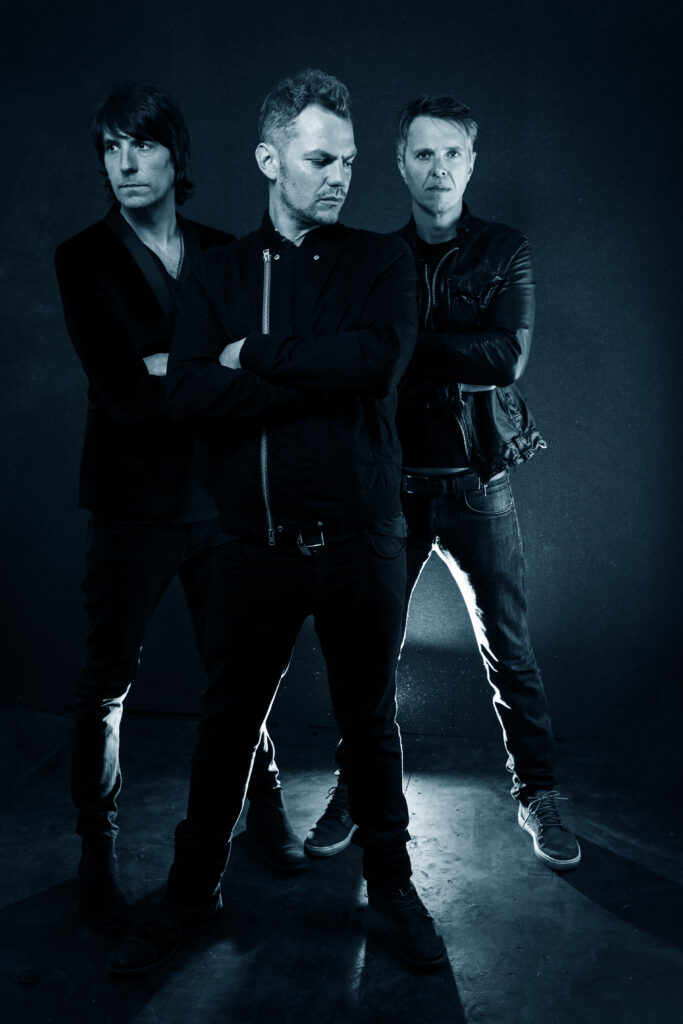
That attitude seems to sit behind Sleepyhead as well.
“I think it was just that idea of walking through life in a daydream, something most of us recognise,” says Washbourn. “Becoming more present and not just coasting. Whether from a personal point of view of not facing up to things or on a broader observation that we need to address subjects like the climate and AI sooner rather than later. Time to ‘Wake Up Sleepyhead’.”
Toploader arrived before streaming, smartphones and social media changed everything. Looking back, Joe misses some parts of that era.
“We were lucky to break through at a time with no camera phones so audiences definitely seemed to be more in the moment at the shows,” he says. “There was also no socials so you had to let the music do the talking and hope people got on board.”
That said, he’s not against how things work now.
“Having your own platform means artists can now control their own narrative instead of letting the labels do it for them. It’s much more transparent.”
One thing that keeps coming up is the importance of writing.
“From the writer’s point of view, I think as you get older the urgency to write and release gets stronger as you begin to wrestle with your own mortality.”
It’s a more honest answer than you usually get.
“As a band, I think it’s just in our nature to move forward. Where’s the fun in just playing songs that you wrote in your twenties?”
That doesn’t mean throwing away everything people liked about the band in the first place.
“I think we’re at our best when a chorus feels elative and takes you away from the humdrum of the day to day,” he says. “Our music has always had an uplifting and escapist quality and I’m happy that we can be of service in that respect.”
The band have spent plenty of time on the road recently, including shows with James Blunt.
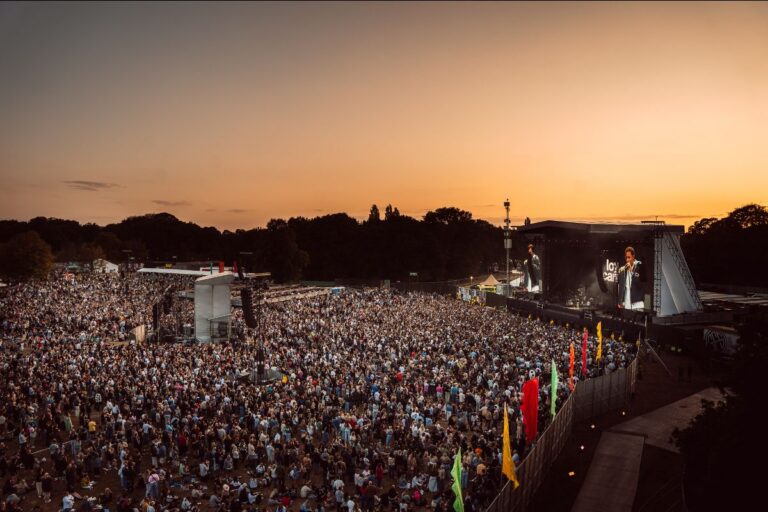
“The live shows have always been the backbone of what we do, and you can feel that from the crowd. As performers I think we’ve probably gotten better over the years. You become less self-conscious and just start to enjoy that hour or so that you have with the audience.”
For him, that’s still the real buzz.
“That connection is the buzz that makes you want to keep doing it.”
Eventually the conversation turns to Dancing In The Moonlight.
“I think we have made our peace with it!” he laughs. “On the first record it became difficult as it overshadowed some of the other songs, but still not a bad problem to have.”
These days, the song almost belongs to the audience.
“It sings itself in the set and takes us all over the place doing random TV shows and performances. We’ll take it!”
The starting point for Sleepyhead was something much less familiar: a Yamaha CP80 that Joe had wanted to play for years.
“The CP80 was the holy grail that I’d actually never played,” he tells me. “When I finally managed to find one it was hugely inspiring for the new songs.”
The appeal wasn’t nostalgia.
“These old keyboards have real strings, mallets and hammers. They have real character and that magic comes out in the recording.”
When I ask what he’s most proud of, the answer isn’t a chart position or a sales figure.
“We’re proud of what we’ve achieved and very grateful that we still get to play live and record as a band. ‘Moonlight’ will always be the track that gets the radio play, but we’re definitely more proud of some of the others. ‘Achilles Heel’ will always be the track that changed everything for us.”
Before we finish, I ask what the Toploader of 2000 would make of Sleepyhead.
Joe laughs. “I think they’d be surprised we’re still even making music to be honest.”
A lot has changed since Toploader first appeared, but the urge to make new music clearly hasn’t. Sleepyhead isn’t trying to recreate the past. It’s simply another chapter from a band that never really stopped moving. Sleepyhead is out now.
About the Author