“We can’t pick and choose which festivals we choose to boycott, if we boycott one we must boycott them all”
Rachel Brown
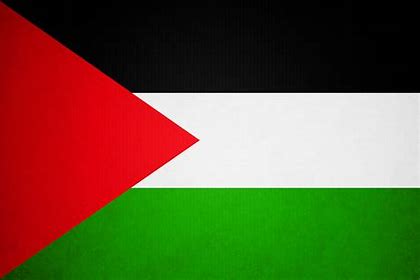
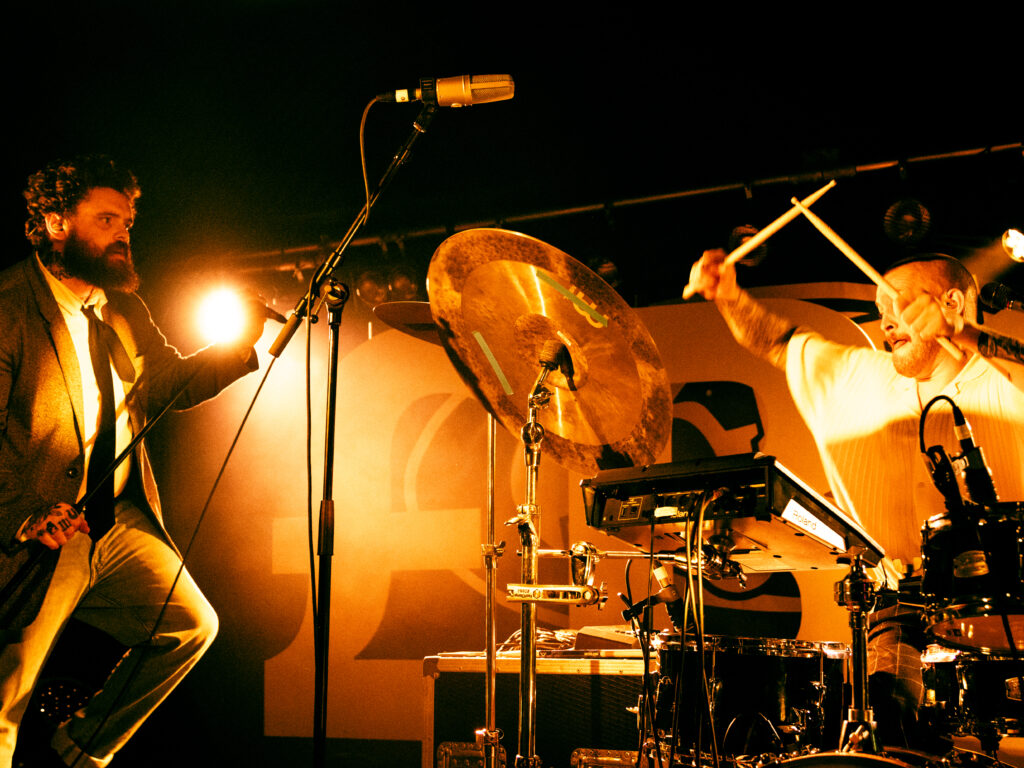
The Great Escape Festival 2024 has seen a quarter of its artists withdraw in protest for the conflict in Palestine due to TGE being sponsored by Barclays bank. Gaza conflict escalated last year on October 7th, resulting in over 35,000 Palestinian deaths. The festival sponsors Barclays are accused of investing in companies that sell arms to Israel. The bank also sponsors Latitude, Download, and Isle Of Wight festivals. Alfie Templeman, Nieve Ella, Kaeto, Wunderhorse, and Alessi Rose are among the artists who will not be performing in this weekend in Brighton. Meanwhile, Big Special have decided to play the festival and donate their fee to the Palestine Child Relief Fund.
“Capitalism is a stain on life and it has spread to it’s furthest reaches, it’s hard to do anything that does not support some hollow corporation devoid of morals,”
Big Special
PHOTO: BIG SPECIAL IN GLASGOW BY LUCIE CAMERON
However, does focusing only on certain festivals make sense? Some observers see these boycotts as catalysts for change, while others have seen them as a catalyst for repression. In contrast, others view them as overly negative, especially when more prestigious festivals like Latitude or the Isle of Wight are not criticised as harshly. As music festivals continue to evolve and address concerns, targeted boycotts may continue to be an effective tool for advocating for positive change in the music industry. Unfortunately, it seems that more prestigious festivals are receiving lighter treatment despite also being sponsored by Barclays. This discrepancy raises important questions about fairness and the impact of boycotts on the scene, which is still facing significant challenges, including the struggles of bands and venues. Furthermore, it is important to assess whether artists, magazines, and other industry professionals should be forced to choose between making a living and maintaining their morals.
Due to the withdrawal of a quarter of the festival’s line-up, it will have been difficult for festival organisers to fill the gap created by these acts. In spite of this, many artists have expressed support for the boycott, saying they admire the decision to fight injustice. Solidarity with Palestine highlights the power of music and the arts as a platform for political activism, as well as amplifying the global conversation around the Israeli-Palestinian conflict. The bands are using their influence to bring attention to the ongoing oppression faced by the Palestinian people and to encourage others to do the same.
As the movement gathers momentum, it will remain to be seen how it impacts the festival and how artist advocacy will be perceived.
A word from Rachel Brown, author of this article
As the owner of Northern Exposure, it’s my personal decision to decline participation in any festivals that are sponsored by Barclay’s Bank. This decision is made based on my personal beliefs and principles. Northern Exposure is a non-profit magazine that aims to provide unbiased and comprehensive coverage of various events and topics. We believe that it is important for us to maintain our independence and not allow any financial influence to compromise the integrity of our content. While I understand that writers and photographers may have different viewpoints and may attend festivals to report on them, it is imperative that they do so with the intention of conducting investigative journalism. This will allow them to present a well-rounded and accurate depiction of the events, without catering to any specific agenda or viewpoint. By prioritising journalistic integrity, Northern Exposure aims to provide readers with information that is not only informative but also thought-provoking. We believe that a journalistic approach allows readers to form their own opinions and make informed decisions. Therefore, writers and photographers attending festivals sponsored by Barclay’s Bank will be asked to refrain from promoting or endorsing the bank’s products or services. It is their duty to report objectively and in the best interest of our readers.
Used by Google Analytics to determine which links on a page are being clicked
30 seconds
_ga_
ID used to identify users
2 years
_gid
ID used to identify users for 24 hours after last activity
24 hours
_gat
Used to monitor number of Google Analytics server requests when using Google Tag Manager
1 minute
__utma
ID used to identify users and sessions
2 years after last activity
__utmt
Used to monitor number of Google Analytics server requests
10 minutes
__utmb
Used to distinguish new sessions and visits. This cookie is set when the GA.js javascript library is loaded and there is no existing __utmb cookie. The cookie is updated every time data is sent to the Google Analytics server.
30 minutes after last activity
__utmc
Used only with old Urchin versions of Google Analytics and not with GA.js. Was used to distinguish between new sessions and visits at the end of a session.
End of session (browser)
__utmz
Contains information about the traffic source or campaign that directed user to the website. The cookie is set when the GA.js javascript is loaded and updated when data is sent to the Google Anaytics server
6 months after last activity
__utmv
Contains custom information set by the web developer via the _setCustomVar method in Google Analytics. This cookie is updated every time new data is sent to the Google Analytics server.
2 years after last activity
__utmx
Used to determine whether a user is included in an A / B or Multivariate test.
18 months
_gac_
Contains information related to marketing campaigns of the user. These are shared with Google AdWords / Google Ads when the Google Ads and Google Analytics accounts are linked together.