
INTERVIEW | BASHT by Rachel Brown
For a debut album, Poor Advice arrives with unusual confidence. Released through LAB Records, the record finds Dublin outfit Basht tackling questions of faith, authority, identity and resistance across ten songs that blur the lines between freewheeling indie-rock and dusky after-hours post-punk.
At its core, Poor Advice examines Ireland’s long relationship between church and state, exploring how institutions have shaped generations through guilt, silence and obedience. Yet rather than remain fixed in history, the album follows those same power structures into the present day, asking where authority now resides and who benefits from it.
Interestingly, the band never consciously set out to make a concept record.
“We didn’t necessarily set out to write a concept album; we just started writing and I found myself going down rabbit holes and imagining myself at different ages in my life again. Starting the album with ‘Dive’ feels like a child losing trust for the first time and realising the world isn’t as safe as they once thought. The album travels through different stages and ends up at a place I feel quite connected to now. I don’t know what will happen next, but there’s something coming down the tracks.”

That journey begins visually before a note is even heard. The album cover, featuring a child pointing a toy gun at an altar, encapsulates the tension running throughout the record: innocence confronting authority for the first time.
“The boy is Harley, an actor from Dublin. We felt he perfectly represented the album’s core ethos. The child pointing a toy gun at the altar represents his first time questioning the authoritative figures in his life.”
Questioning authority is a thread woven throughout Poor Advice, nowhere more explicitly than on ‘Kids vs. Guns’. While the song began with a specific political focus, it gradually expanded into something broader.
“The song started off as a poem I wrote whilst touring last year. In its infancy, it was a commentary on the genocide in Palestine. But as it developed, the messaging became a more universal point on the welfare of children all over the world.”
Elsewhere, the record turns inward. Songs such as ‘Perfume’ and ‘Keira Knightley’ reveal a deeply personal side of Leavey’s writing, although self-censorship has never interested him.
“‘Too personal’ doesn’t really cross my mind, I feel it’s incredibly important to write what’s real and what’s honest. I’ve never felt embarrassed or ashamed about my life and I often find the more uncomfortable topics and lyrics are the ones people find the most relatable. We’re all human at the end of the day.”
Leavey’s comments suggest an approach rooted in honesty rather than self-preservation. Across Poor Advice, personal experiences sit alongside broader social concerns, allowing the album’s larger themes to emerge through lived stories rather than overt statements.
The making of Poor Advice reflected the chaos and momentum of a band rapidly finding its audience. Writing, recording and touring happened simultaneously, giving the record an urgency that can still be heard in its final form.
“It was an ever evolving process; we wrote, recorded and tweaked while also on a very intensive touring schedule. This energy can be felt and the decisions behind some songs are a product of all the craziness that comes with working like that.”
A significant part of that freedom came from working alongside producer Ali Chant, whose collaborative approach helped the band trust their instincts rather than overthink them.
“Ali’s creative enthusiasm was an inspiration to us and allowed us to write without fear, record without pressure and revisit ideas without the stress of external influences.”
While recent single ‘Terror TV’ has been making waves on radio, including a featured interview on BBC Radio 1’s Future Artists show, some of the album’s biggest reactions have come from songs audiences haven’t even had the chance to take home yet.
“‘Circadia’ is a pretty fun song to play. Without it being released, people are buzzing around at gigs and feeding off the energy of it.”
As Poor Advice reaches its conclusion, Basht resists offering easy answers. Instead, the title track lands in a place of uncertainty, reflection and cautious hope.
“Poor Advice leaves us at a point of reflection. Like when you’re walking home from a late night party. You’re in your own head, the world can seem dark, but there’s always a light there to get you where you need to go.”
It’s a fitting ending for an album preoccupied with questioning inherited truths and searching for something more honest beneath them. And despite the thematic weight of their debut, Basht themselves seem in no hurry to map out what comes next.
“We have no idea what will happen, and that’s the fun part.”
For a band whose debut explores what happens when old certainties fall away, that openness to the unknown feels less like a gamble and more like a philosophy. Poor Advice may spend much of its runtime examining authority and influence, but its lasting message is about finding the confidence to think for yourself.
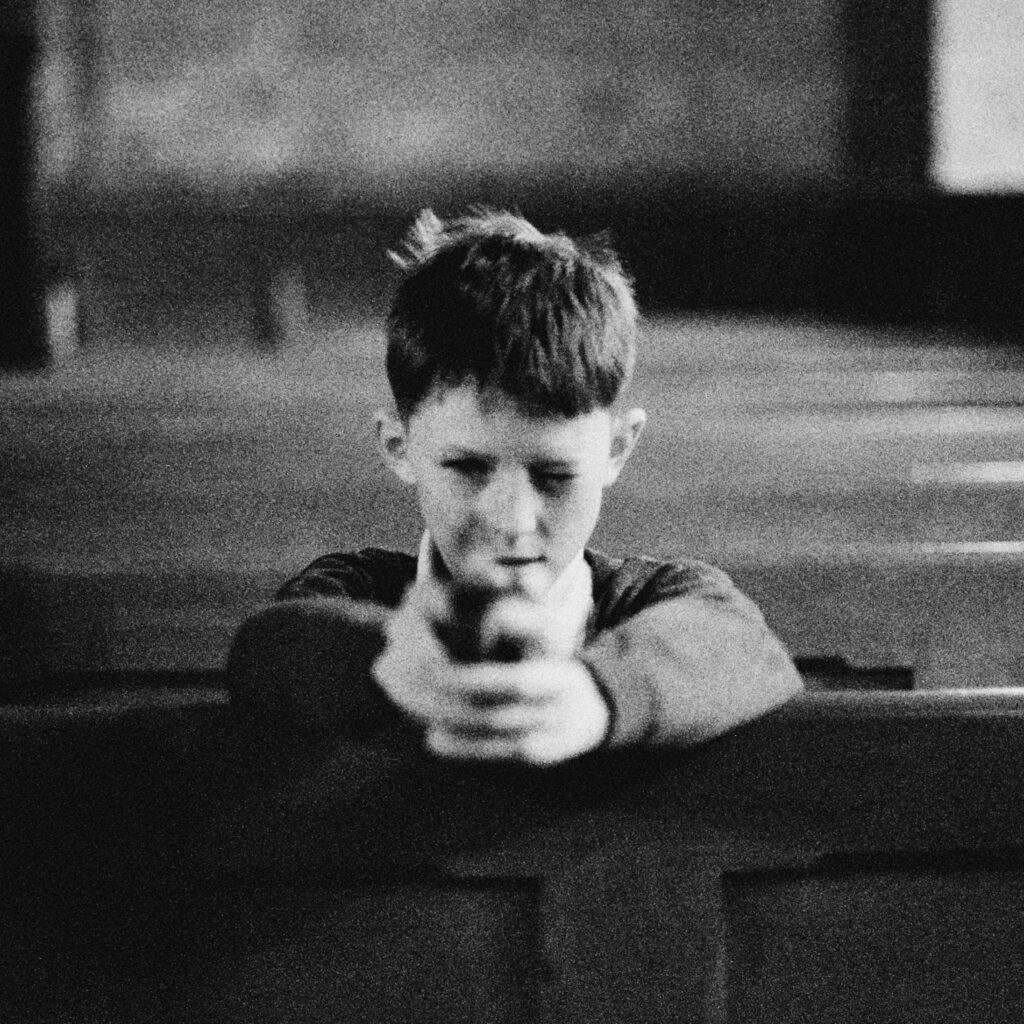
Poor Advice by Basht is out now via LAB Records: pick up your copy now.
RACHEL BROWN
About the Author