IRELAND INVESTS IN CULTURE, THE UK PERFORMS SILENCE – Not just talk about it. Not just tweeting about it. Actually doing it.
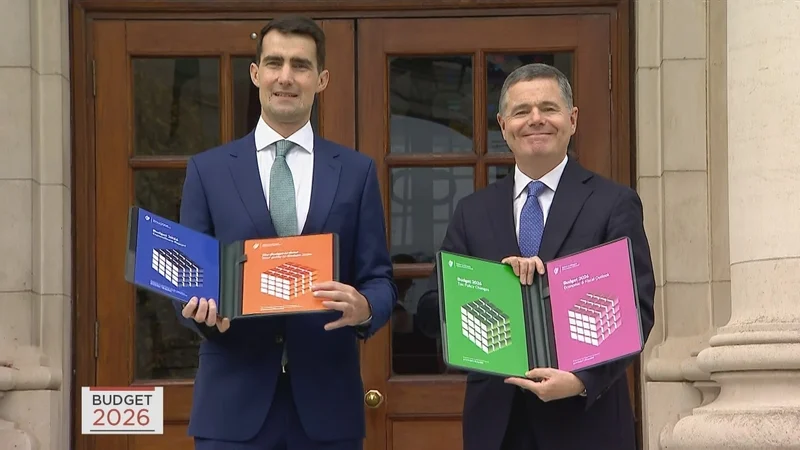
It was no shock to me in the slightest, but on October 7th, as part of their 2026 budget, Ireland has made a bold and refreshing decision that is going to change hundreds of creative people’s lives. It’s going to actually pay artists to live and create. The 2026 budget allocated €1.51 billion to the Department of Culture, with the Basic Income scheme highlighted as a flagship initiative. Starting in 2026, 2,000 creatives from musicians and writers to performers and visual artists will receive a weekly stipend of €325 with no strings attached. No hoops to jump through. No degrading paperwork to trawl through, to prove they’re “real” artists. Just the simple, powerful idea that art is actual work, and that work deserves fair pay.
This isn’t some dreamy experiment. It’s called the Basic Income for the Arts scheme, now made permanent after a successful three-year trial. The scheme was first introduced in way back in 2022 in the COVID era by then-Minister Catherine Martin as a three-year pilot to support struggling artists impacted by the pandemic. The results of the pilot were clear as day, and it showed what most of us knew it would already knew, that when artists have financial stability, they create more, worry less, which means that they can contribute meaningfully to society. A study by Alma Economics found that for every €1 invested, Ireland got back €1.39. That’s a return of over €100 million, with €80 million linked to better mental health alone. When artists aren’t juggling multiple jobs and constant stress, they thrive. Who could’ve guessed?o better mental health alone. When artists aren’t juggling multiple jobs and constant stress, they thrive. Who could’ve guessed it?
The programme will reopen for applications in September 2026, with expanded access for all kinds of creatives. It will be indefinitely funded through Ireland’s cultural budget, including support for venues and infrastructure. It’s a long-term investment in the country’s cultural future and hopefully will lead the way in how other countries should be looking after their creatives.
The UK government has no established cultural strategy, which results in Westminster officials showing indifference while local artists depend on luck for success. The organisation lacks any pilot program and fails to present a plan or make any promises, but instead relies on talking the talk but making no promises of the walk. The UK handles creative work as if it were a recreational activity which people can choose to do without support or financial backing.
The Arts Council England funding system provides minimal support to artists and, to be absolutely frank, is a joke, while the post-Brexit touring budget remains severely limited. The employment status of freelancers remains as unstable as ever. Multiple performance venues across the country face permanent closure. The Irish Minister for Culture declares their cultural program as the most admired worldwide and quite rightly so.
Keir Starmer has made several public statements about grassroots music and live venues. The trouble is, beyond the headline-grabbing claims of “cutting red tape” and reviving the “British night out” (whatever that is – answers on a postcard) there’s a looming Unhappy Hour in store for local communities.
Let’s get one thing straight: our pubs need all the help they can get. They’re the heart and soul of our communities and yet 209 premises closed down in the first six months of this year alone. However, critics say his remarks lack the urgency and scale needed to address the crisis. Here’s a summary of what he has said and done.
In an interview with NME in August 2025, Starmer acknowledged the importance of grassroots venues. He stated, “Venues need not just to survive, but to thrive.” He emphasised that music is a viable career path and a significant contributor to both local and national economies. He also mentioned the need to support young people in discovering music and creative outlets. He pledged £88 million to youth clubs and extracurricular activities.
In October 2025, Starmer launched a review of licensing rules to help pubs host more live music and events. He described pubs as “the beating heart of our communities.” The initiative aims to reduce red tape, extend opening hours, and simplify the process for venues to host performances. This is especially important in areas where noise complaints and outdated advertising rules have limited live events.
In a Classic FM interview, Starmer spoke about the role of music in schools. He wants to make sure music is included in the curriculum and helps students develop life skills that “no algorithm can teach.”
Even with various efforts in place, there is still no national plan to provide funding for grassroots music. This means that smaller, community-based music initiatives and venues struggle to get the financial help they need to survive and thrive. At present, there is an absence of a dedicated basic income scheme designed specifically for artists and musicians. Such a program could provide them with a reliable source of income, enabling them to focus on their creative endeavours without the constant worry of financial instability. This support would be particularly beneficial for those whose income fluctuates significantly due to the unpredictable nature of the arts industry, allowing them to dedicate more time and energy to their craft while fostering cultural enrichment in our communities.
Furthermore, struggling music venues don’t receive direct support like what is offered in Ireland through their cultural investment programs. This lack of support is a significant issue for many places where live music is an essential part of the community.
To address these challenges, the Music Venue Trust is stepping in to help fill this gap and provide assistance where it can. They are working hard to ensure that the voices of grassroots musicians and venues are heard. On the political side, Starmer has made statements that show he is supportive of the music community and recognises the challenges they face. However, despite these encouraging words, there hasn’t been any real change or new policies put into place that would create significant benefits for musicians and venues. This ongoing situation highlights the need for a comprehensive strategy to better support grassroots music in our communities.
Music Venue Trust Functions To Protect Grassroots Music Venues
Music Venue Trust operates as the final protector of grassroots music because the government fails to provide support. MVT reports a grassroots venue closure every two weeks, with rising costs and declining artist pay. The organisation uses duct tape and solidarity to maintain its programs, which include:
The Liveline Fund uses voluntary ticket fees from arena performances to protect threatened tours and vulnerable venues.
The Emergency Response Network provides immediate assistance to venues which face closure threats or financial breakdowns, or legal challenges. The organisation works to defend fair touring conditions and protect venues from rent increases, and establish the worth of grassroots cultural spaces.
Major promoters contribute £1 from each ticket sale to support both grassroots performers and their venues through the LIVE Trust program.
The UK continues to lose one grassroots music venue every two weeks, this is factually supported by the Music Venue Trust’s 2024 annual report, presented in Parliament in January 2025. Touring expenses have increased while musicians receive reduced compensation. British music culture continues to diminish at the same rate as festival budgets during January.
15 QUESTIONS I’D LIKE KEIR STARMER TO ANSWER
On Cultural Strategy and Funding
- Why has the UK failed to yet pilot a basic income scheme for artists when Ireland has proven its success? The studies, facts and figures are there.
- What is your government’s long-term strategy for supporting creative workers beyond youth clubs and licensing tweaks?
- Can you explain why the UK can fund military operations and corporate bailouts, but not its own artists who are living hand to mouth?
- Do you believe creative labour is real labour? If so, why is it treated as optional and unpaid?
- Will you commit to a national cultural budget that includes direct support for artists, venues, and freelancers?
On Grassroots Venues
- What concrete steps will you take to stop the closure of grassroots music venues, which are disappearing at a rate of one every two weeks?
- Do you support a ticket levy system like Ireland’s, where arena shows help fund smaller venues?
- How will your licensing reforms protect venues from noise complaints, rent hikes, and legal threats?
- What role do you see for Music Venue Trust in shaping national policy, and will you fund their work?
On Freelancers and Precarity
- What protections will you offer to freelancers in the creative sector, who face unstable income and limited rights?
- Will you support a universal minimum income or benefits system tailored to the realities of creative work?
- How do you plan to address the post-Brexit collapse of touring budgets and international mobility for UK artists?
On Mental Health and Cultural Value
- Ireland’s scheme showed €80 million in mental health benefits alone. Why isn’t this part of your public health strategy?
- Do you believe investing in the arts is economically sound, or just a luxury?
- What message do you think it sends to young creatives when their government offers no structural support?
Ireland is clearly funding its future, while the UK is watching its culture rot. If ministers won’t act, then artists, venues, and communities will have to do it themselves. But make no mistake, this lack of action is a choice. And it’s costing the creative scenes everything.
Explore the scheme here: Basic Income for the Arts