MORRISSEY AT THE O2: DEVOTION, DIVISION AND 20,000 VOICES SINGING BACK
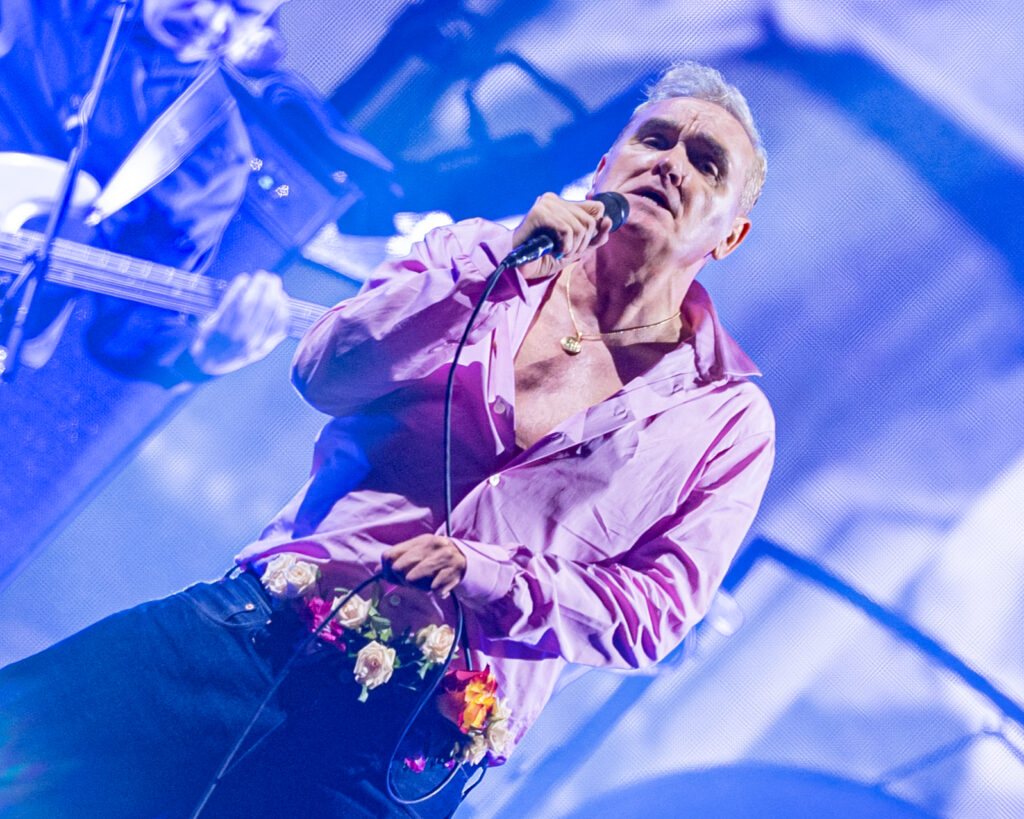
LIVE REVIEW | MORRISSEY | O2 ARENA, LONDON | 28th February 2026 by Kevin O’Sullivan
There are some artists you feel like you’ve grown up alongside without ever actually stepping into their world. For me, that’s always been Morrissey. I’ve read the interviews, seen the headlines, heard the stories. I’ve known the songs in passing. But until last night at London’s O2, I had never seen him live. Nor had I ever seen The Smiths.
I’ve always been curious about the devotion. Curious about why so many people speak about Morrissey with something that borders on reverence. He’s regularly described online as an enigma — fiercely intelligent, wilfully provocative, adored and criticised in equal measure. A Marmite figure if ever there was one. You don’t really meet neutral opinions about him.
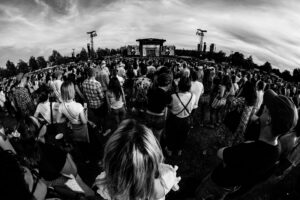
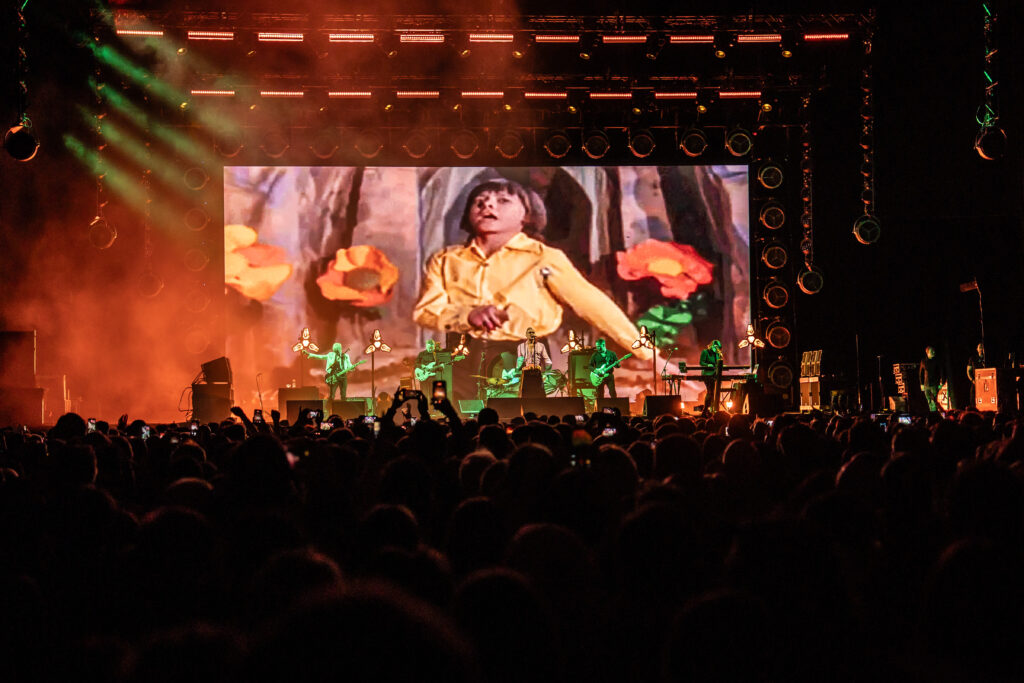
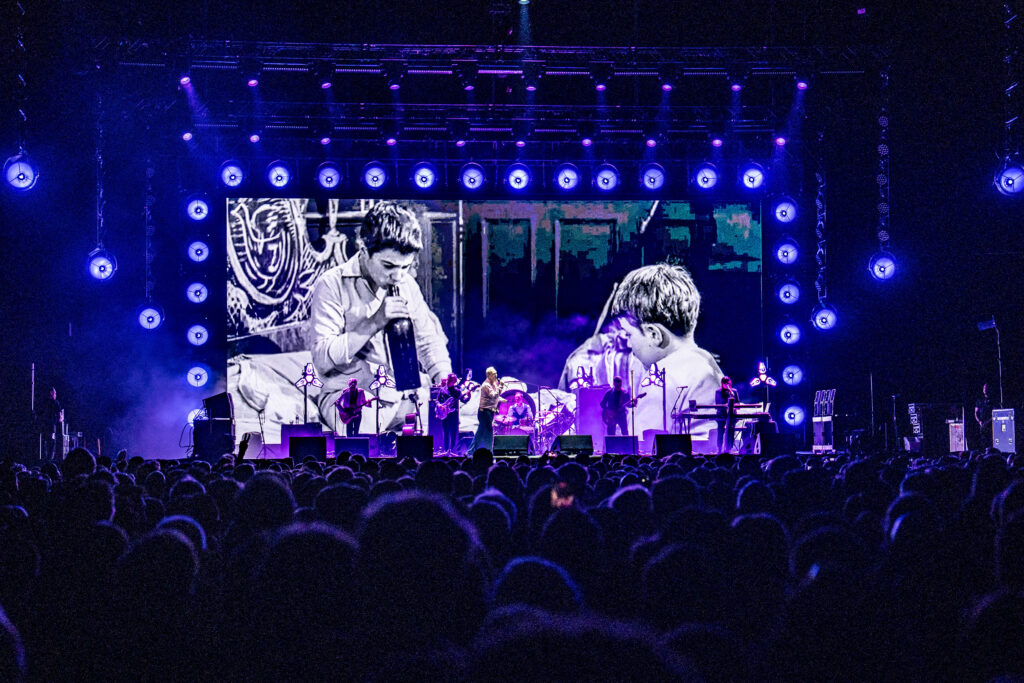
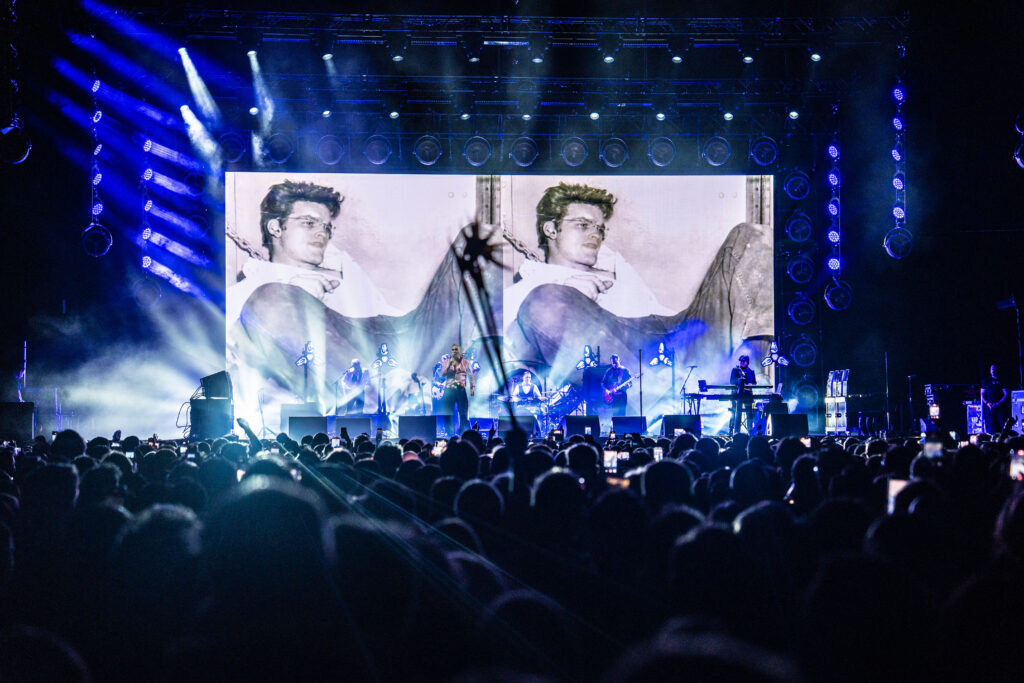
Walking into a sold-out O2 — close to 20,000 people — it was immediately clear that neutrality had no place here. This was a room full of believers. There were plenty of father-and-son combinations dotted around the arena, which felt fitting; these are songs that have clearly been handed down. When Morrissey appeared, the reaction wasn’t just loud — it was knowing. Every word anticipated, every pause understood.
And musically, it was hard not to be impressed.
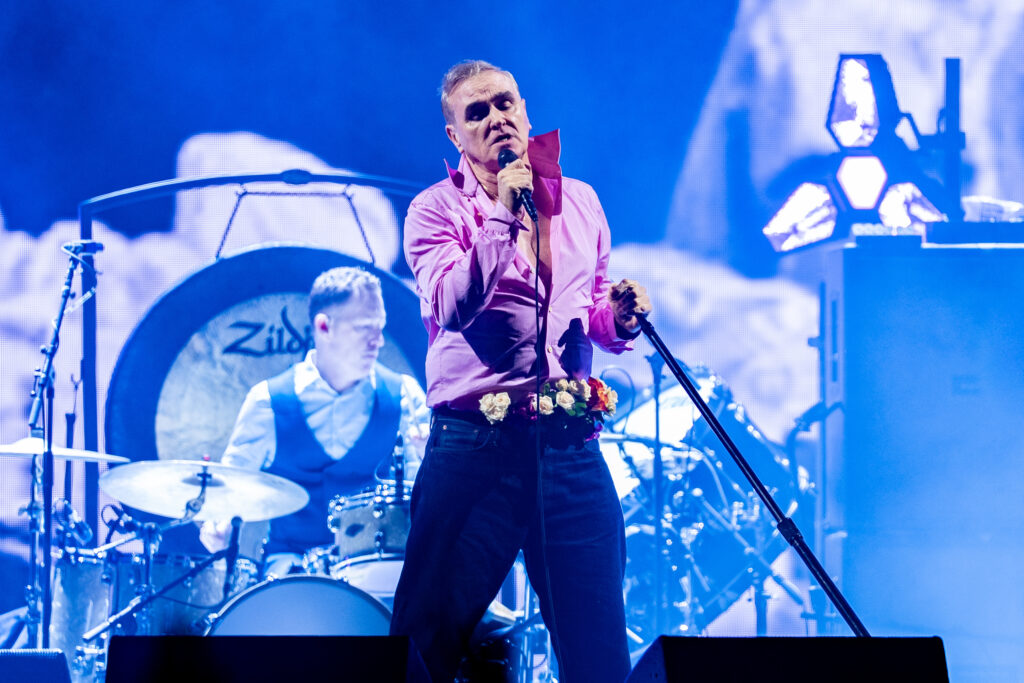
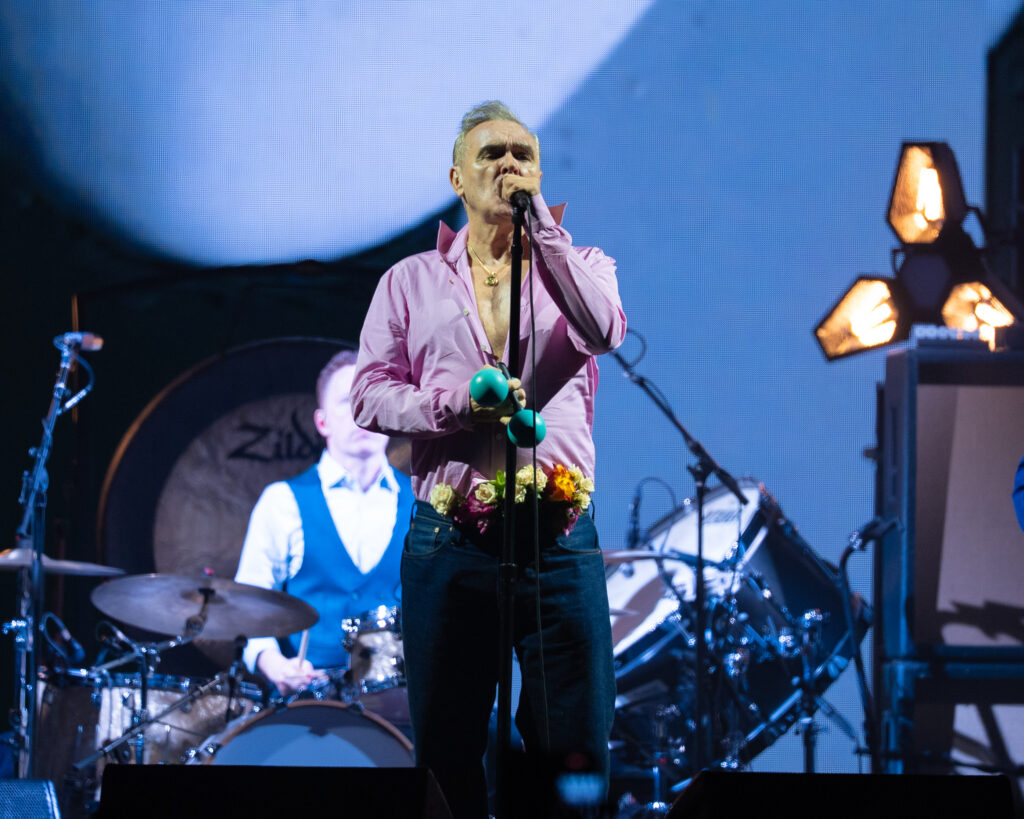
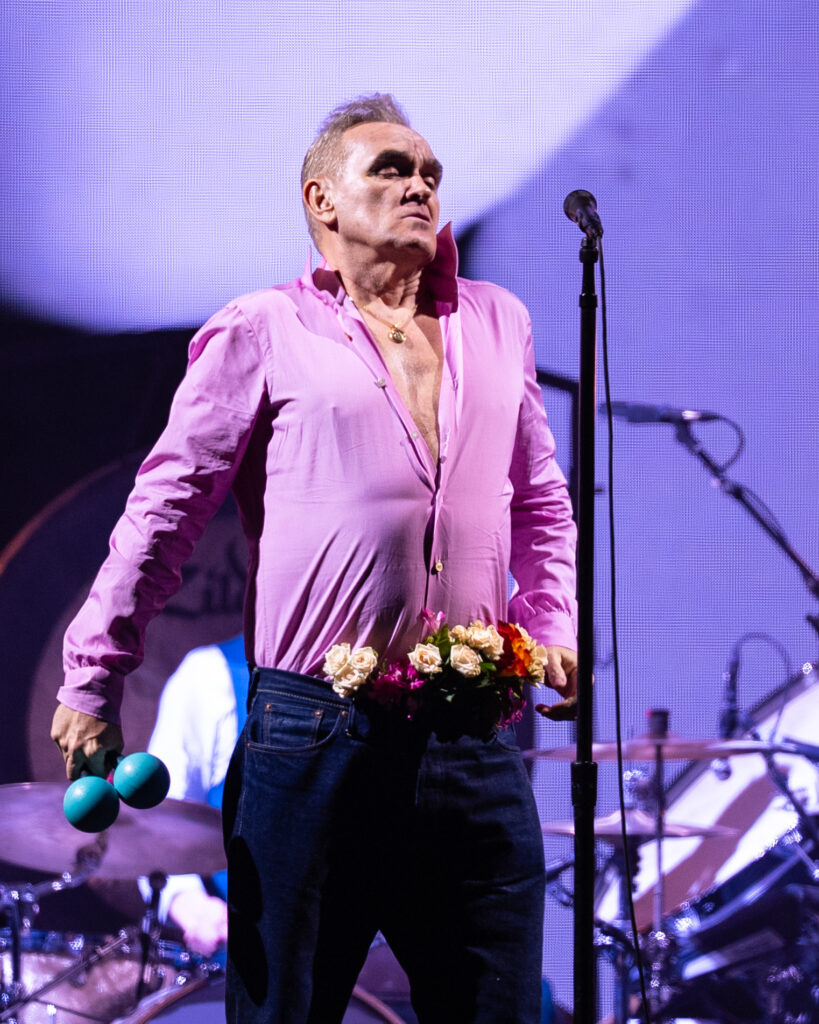
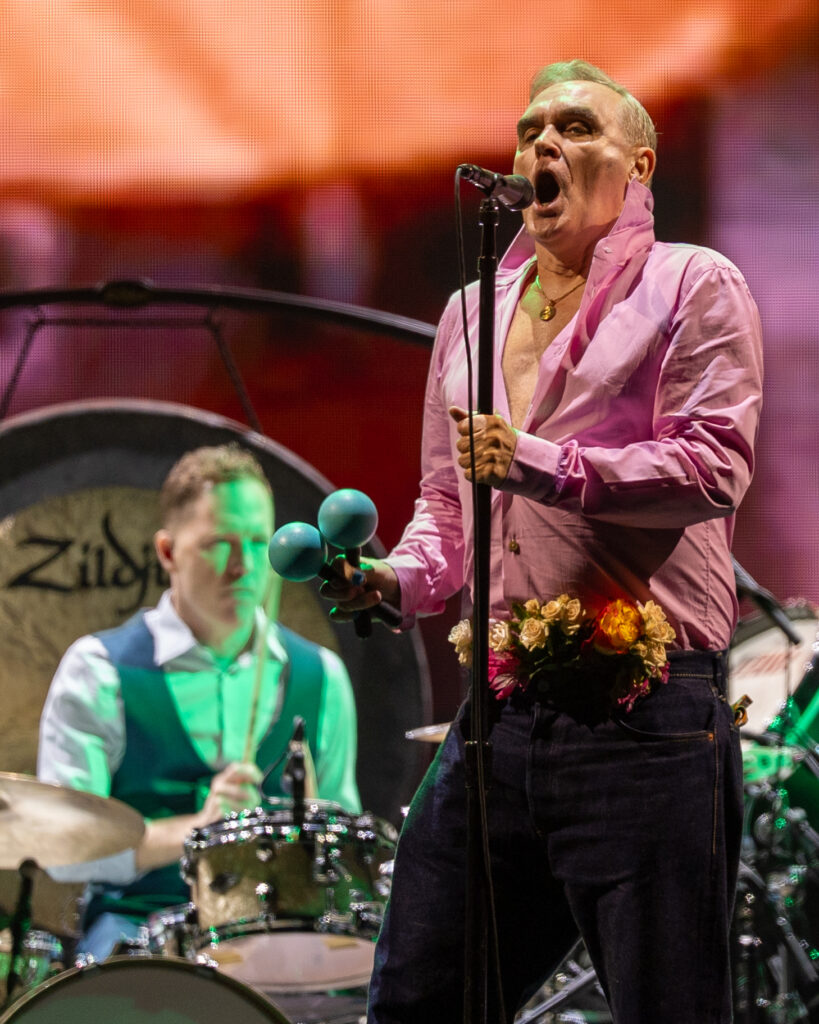
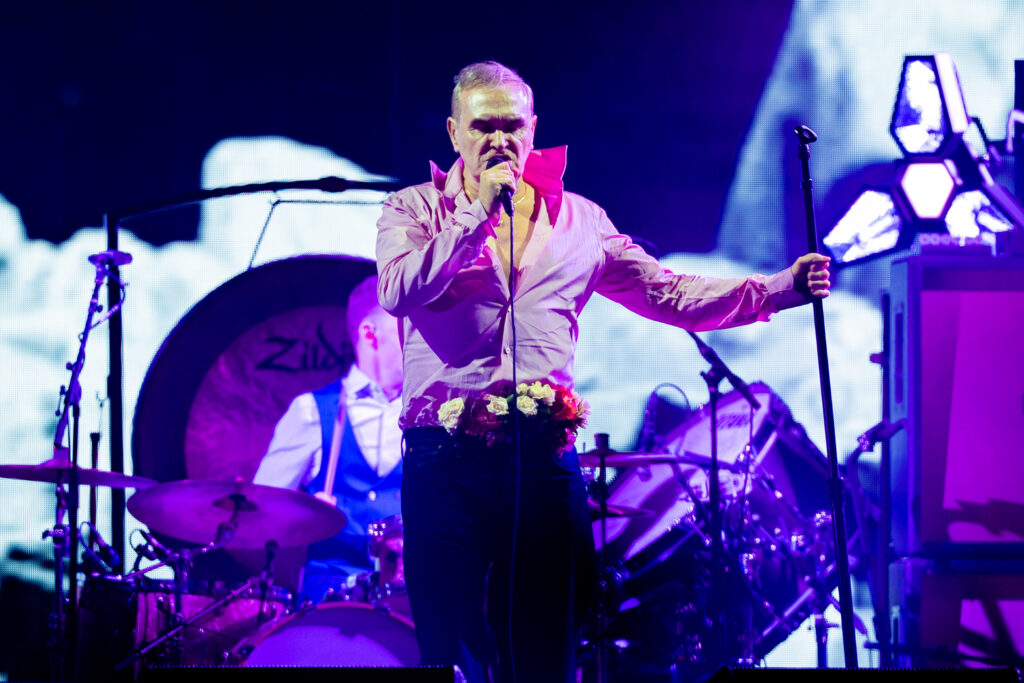
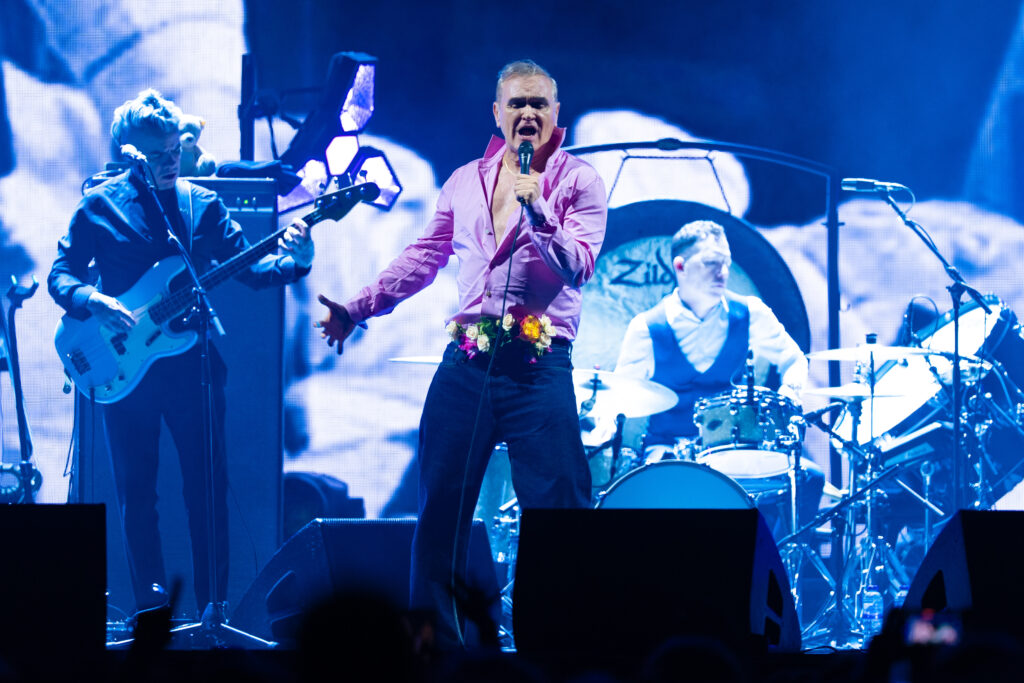
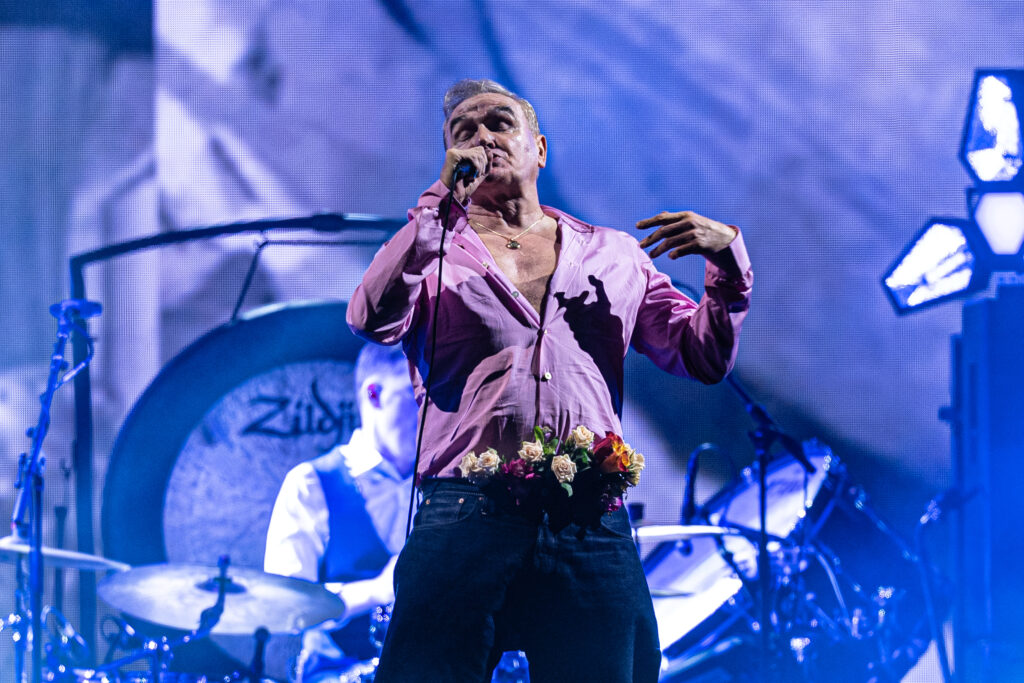
“How Soon Is Now?” sounded immense, that famous tremolo riff filling the vast space with a weight that felt almost physical. By the end of it, Morrissey was on his knees, drawing every last drop of drama from the moment. “I Know It’s Over” was beautifully restrained, aching without tipping into melodrama. “Everyday Is Like Sunday” carried a strange uplift despite its melancholy. And when “There Is a Light That Never Goes Out” arrived as the encore, the entire arena became a choir. It was genuinely moving to witness.
In between the songs, though, came the moments that remind you why Morrissey remains such a divisive character. He spoke repeatedly about being on morphine — that he was “waiting for the morphine to kick in,” and later, “I must take more morphine or I will die.” The comments drew uneasy laughter, a ripple of confusion. Was it dark humour? Was it serious? With Morrissey, you’re never entirely sure, and perhaps that’s deliberate.
He gradually unbuttoned his shirt as the set progressed, eventually standing with it open before placing a tie loosely against his bare chest near the end — part vulnerability, part theatre. Before launching into a fierce “Irish Blood, English Heart,” he told the crowd, “I’m very concerned about the safety of all communities but the community I am most concerned about is my own.” It was a loaded line, delivered without explanation, hanging in the air as the band kicked in behind him.
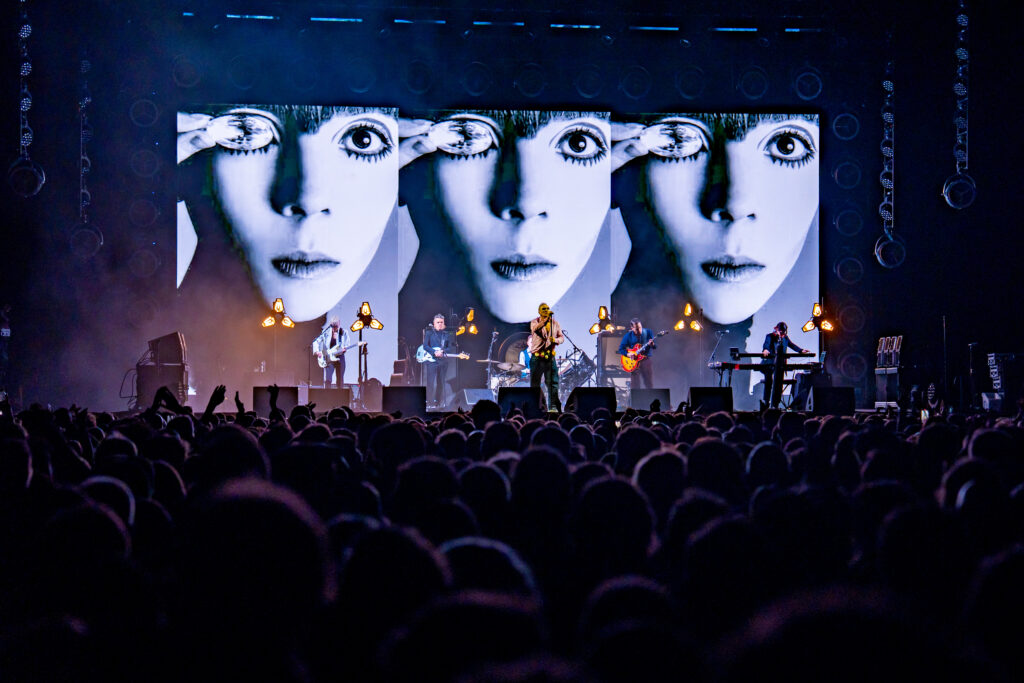
For someone who has always observed from a distance, I can now understand the attraction. The songs are strong — undeniably so — and the connection between Morrissey and his audience is real. Still, I couldn’t help wondering what this might have felt like decades ago, in smaller venues, when the intensity would have been concentrated rather than diffused across an arena.
It was a fantastic show. A full house, nearly 20,000 voices singing every word. I’m still undecided on the man himself — perhaps that’s inevitable — but musically, I get it now.
And my wife? She absolutely loved it. Which, in the end, might be the only verdict that truly matters.