KIEFER SUTHERLAND FINDS REAL HEART AT UNION CHAPEL
LIVE REVIEW | KIEFER SUTHERLAND w/ Colin Andrew | UNION CHAPEL, LONDON | 12th May 2026 by Kevin O’Sullivan
Union Chapel has a way of exposing artists. There’s nowhere to hide in a venue like this. No oversized production, no blinding light show, no walls of noise to lean against if the songs aren’t strong enough on their own. Just stained glass, old wooden pews and silence that can either work for you or completely swallow you whole.
Both Colin Andrew and Kiefer Sutherland handled it brilliantly.
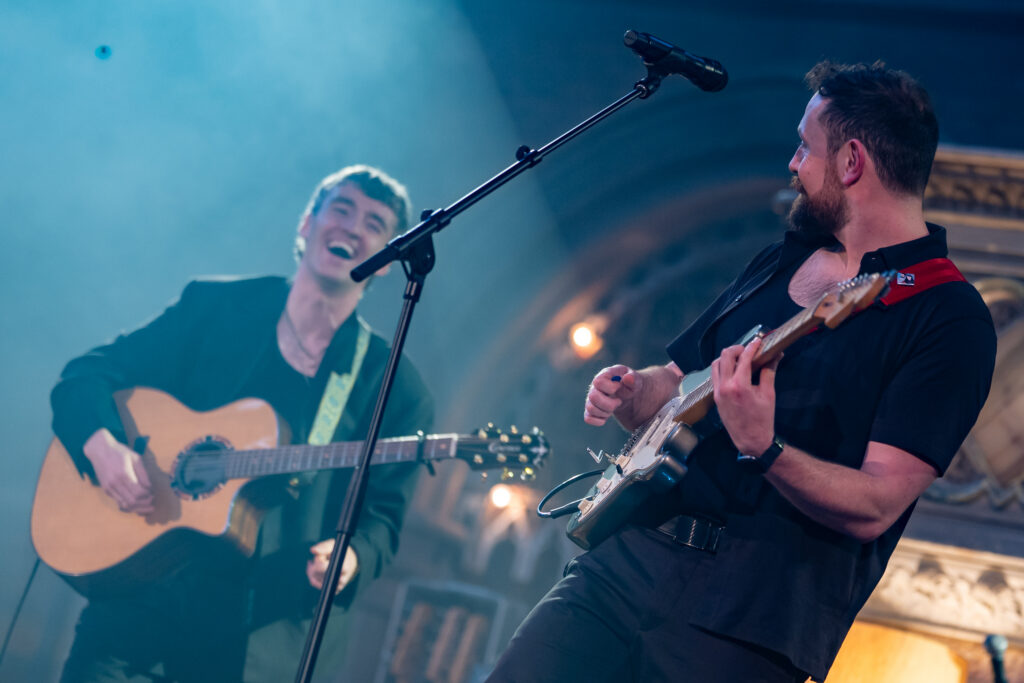
Opening the night was Irish singer-songwriter Colin Andrew, originally from Killarney and now based in London, who immediately won over the crowd with a support set full of humour, warmth and surprisingly big moments. Armed with an acoustic guitar and an excellent voice, Andrew balanced self-deprecating stories with genuinely strong songwriting, never once letting the room drift.
He joked throughout about needing to sell merchandise because girlfriend Laura was in attendance and would apparently leave him if he didn’t, while friend Mike Hogan later joined him onstage to continue the running gag by claiming Kiefer Sutherland wouldn’t appear unless every piece of Colin Andrew merch had gone. Thankfully, the crowd seemed more than willing to help.
Colin Andrew (Kevin O’Sullivan/Northern Exposure) 
Colin Andrew (Kevin O’Sullivan/Northern Exposure) 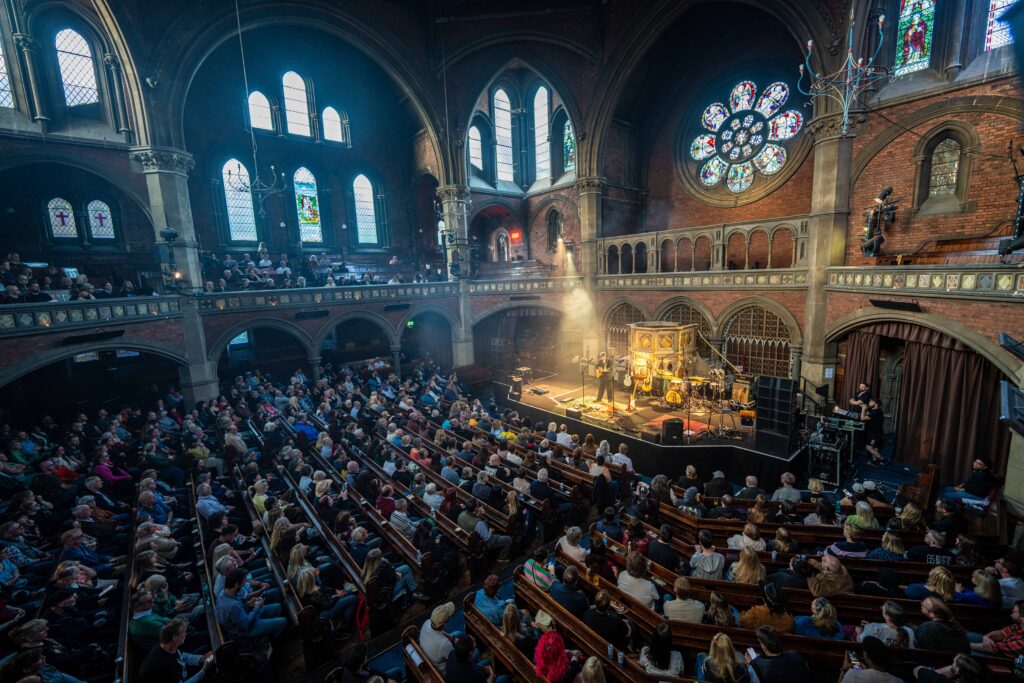
Colin Andrew (Kevin O’Sullivan/Northern Exposure) 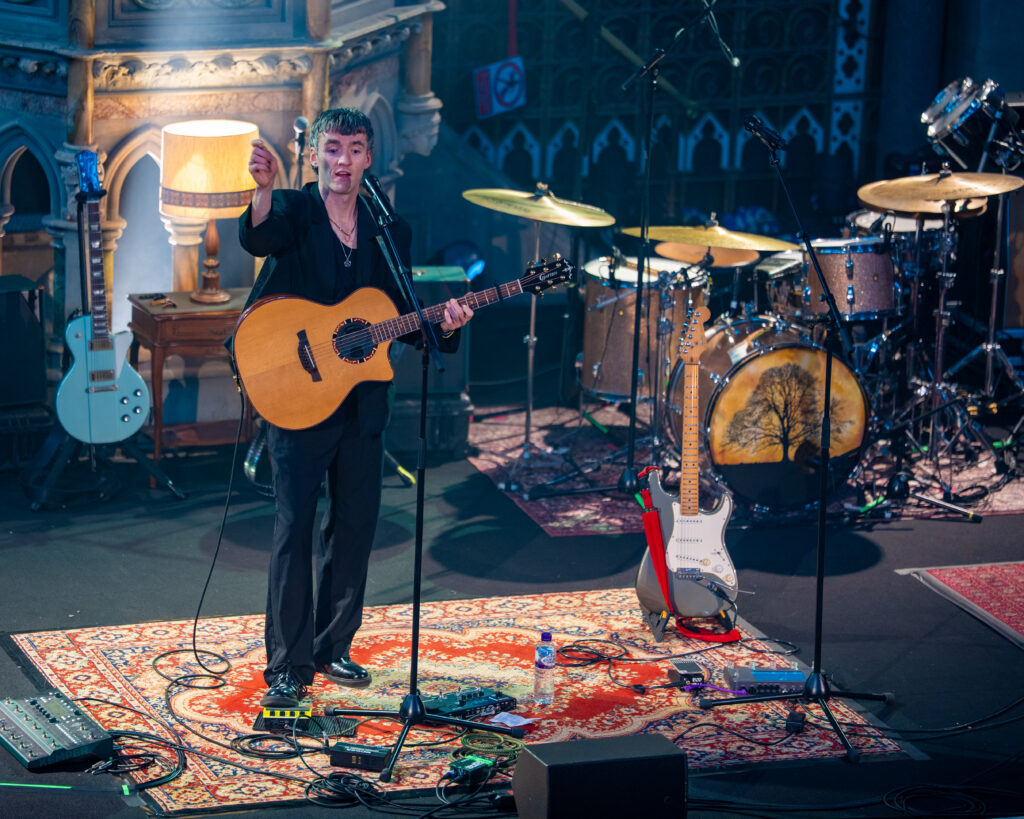
Colin Andrew (Kevin O’Sullivan/Northern Exposure) 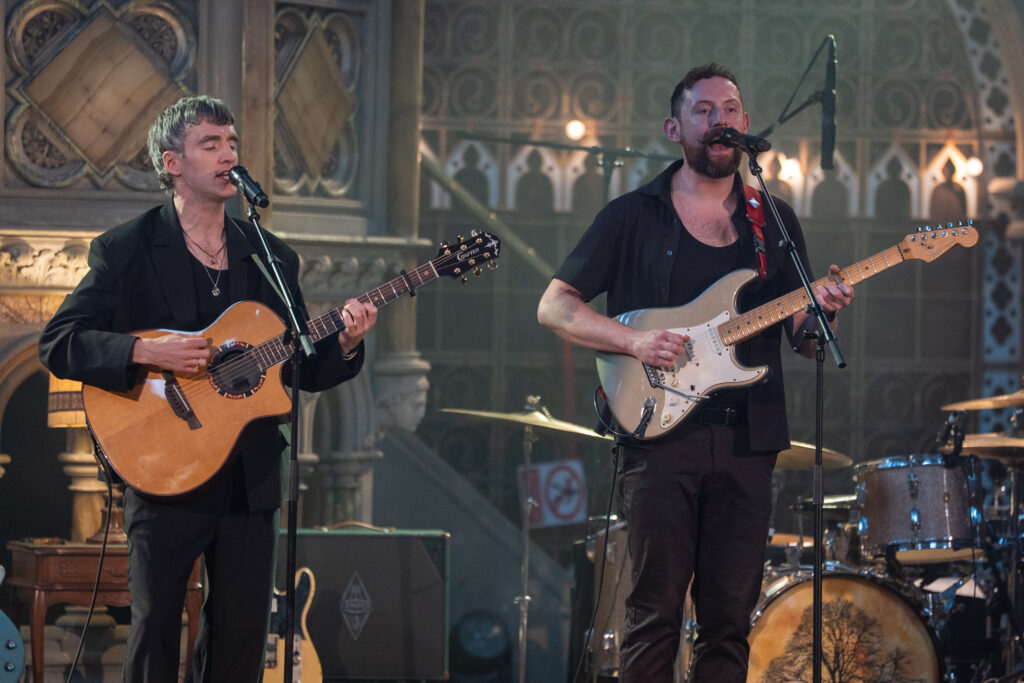
Colin Andrew (Kevin O’Sullivan/Northern Exposure) 
Colin Andrew (Kevin O’Sullivan/Northern Exposure) 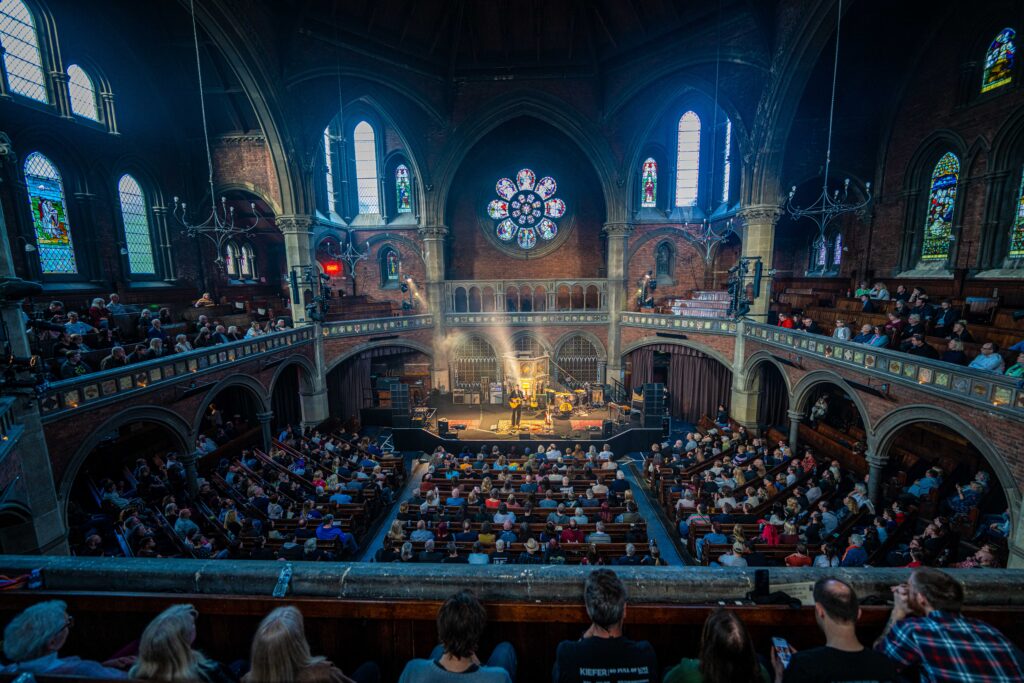
Colin Andrew (Kevin O’Sullivan/Northern Exposure) 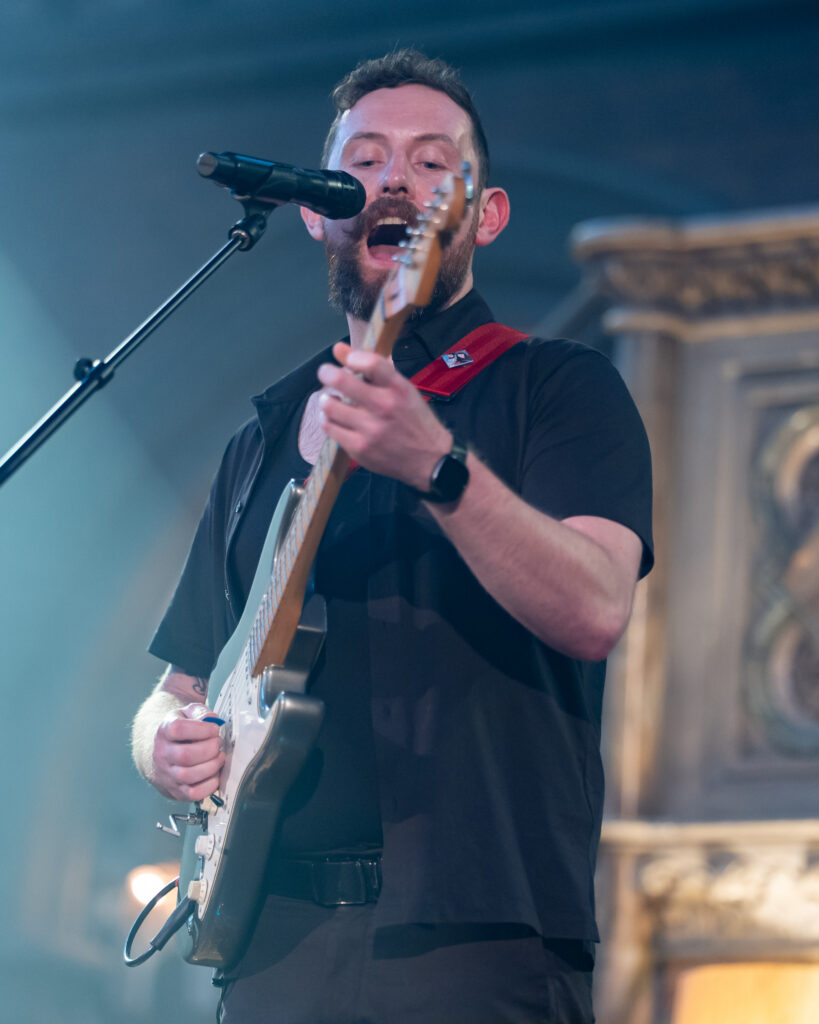
Colin Andrew (Kevin O’Sullivan/Northern Exposure) 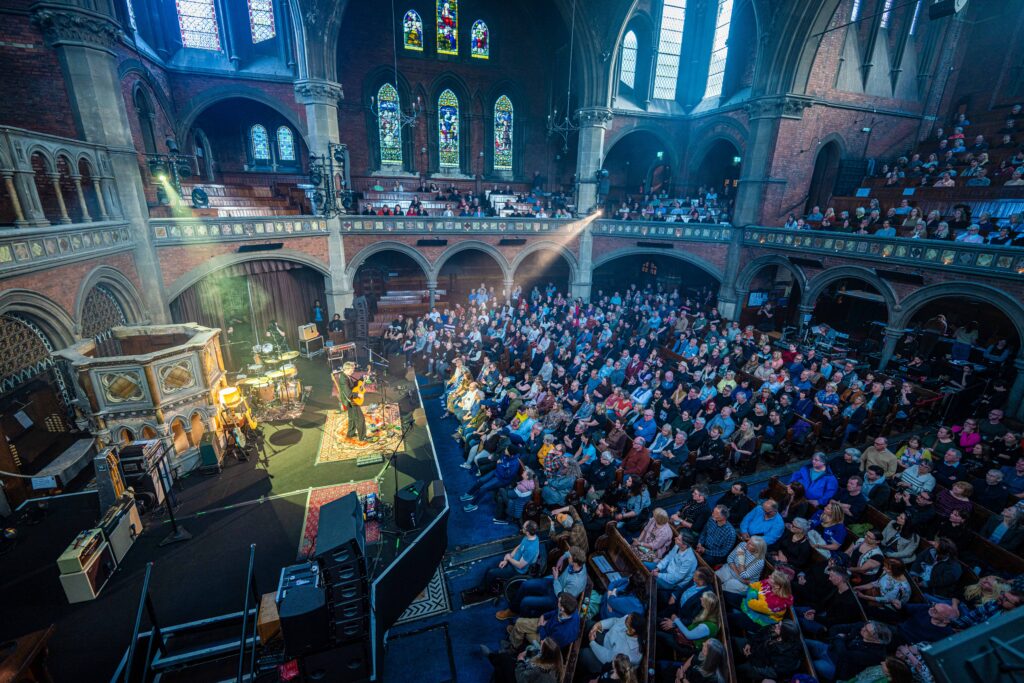
Colin Andrew (Kevin O’Sullivan/Northern Exposure) 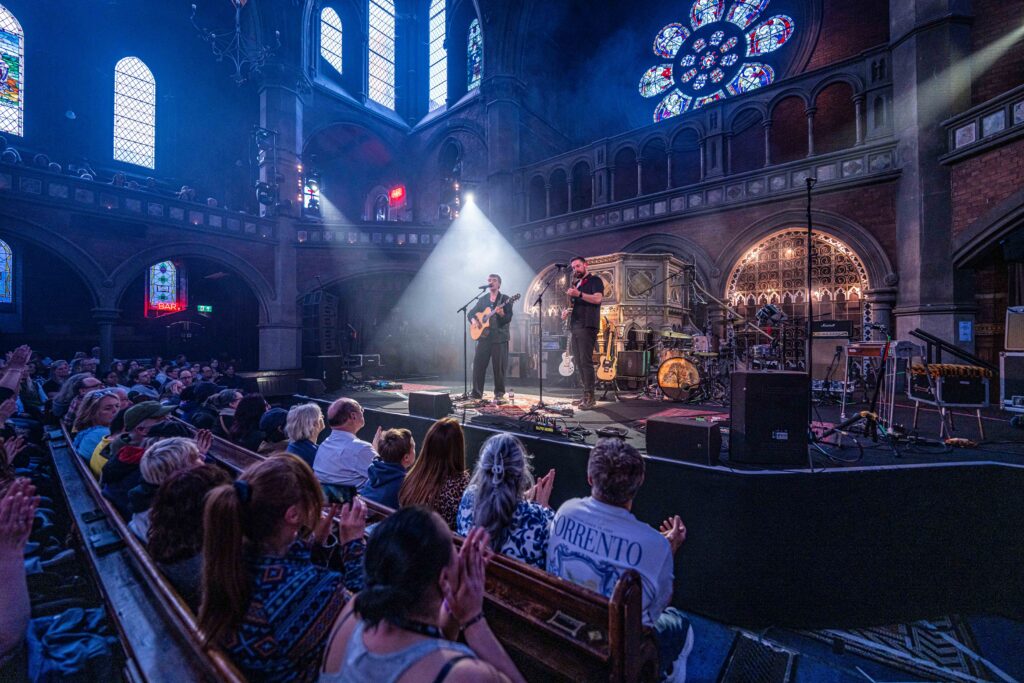
Colin Andrew (Kevin O’Sullivan/Northern Exposure)
Songs like “Not So Innocent”, “One Way Down” and “Keep On Breaking My Heart” landed well, while “Go Lassie Go” turned into one of the first communal moments of the evening after Andrew encouraged the audience to sing along whether they knew the words or not. The standout though was “Still Waiting”, where the talking stopped just long enough for the room to fully appreciate the strength of his voice and songwriting.
By the end of the set – which overran slightly because Andrew seemed to be enjoying himself too much to leave – Union Chapel had clearly gained a fair few new fans.
Then came Kiefer Sutherland.
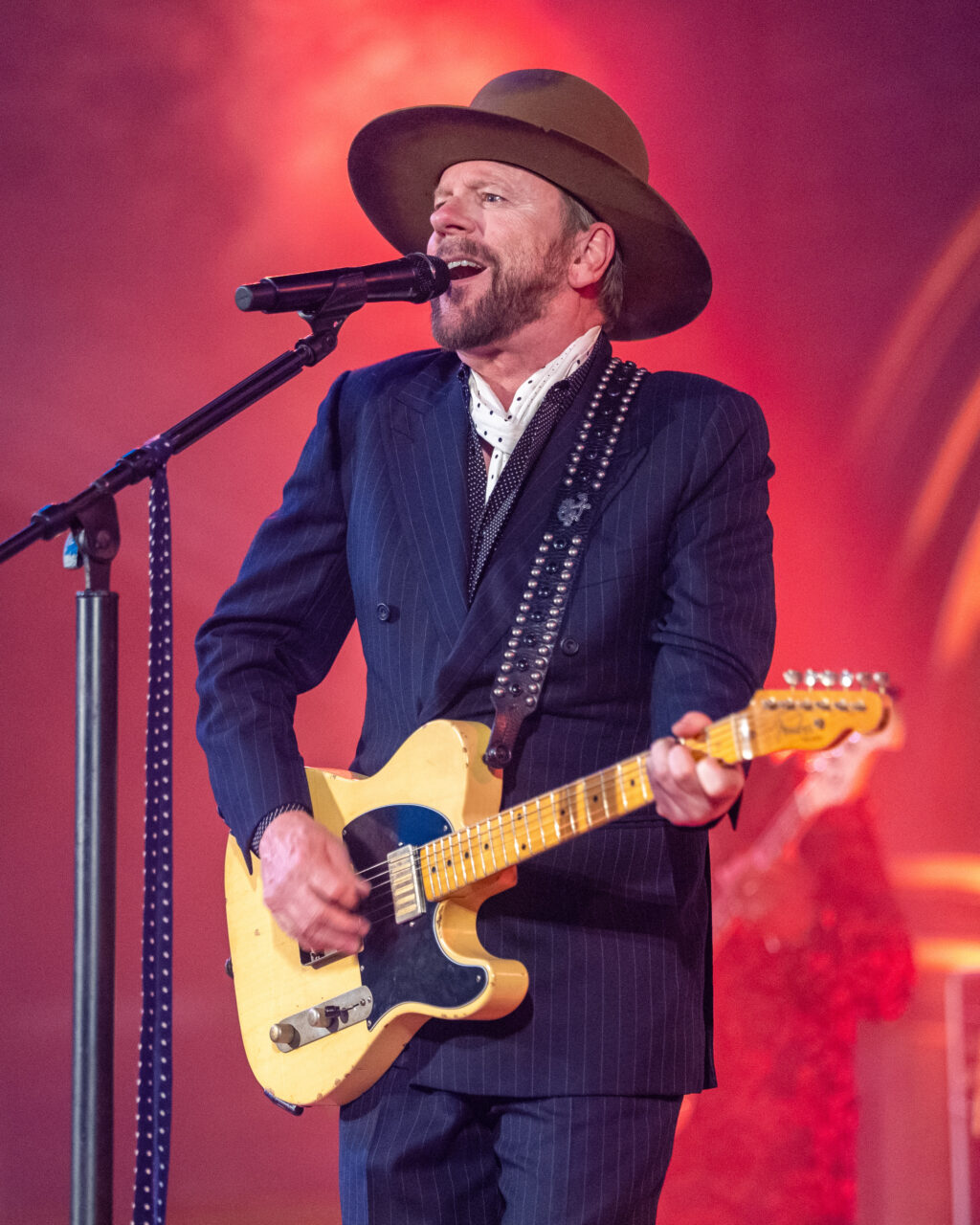
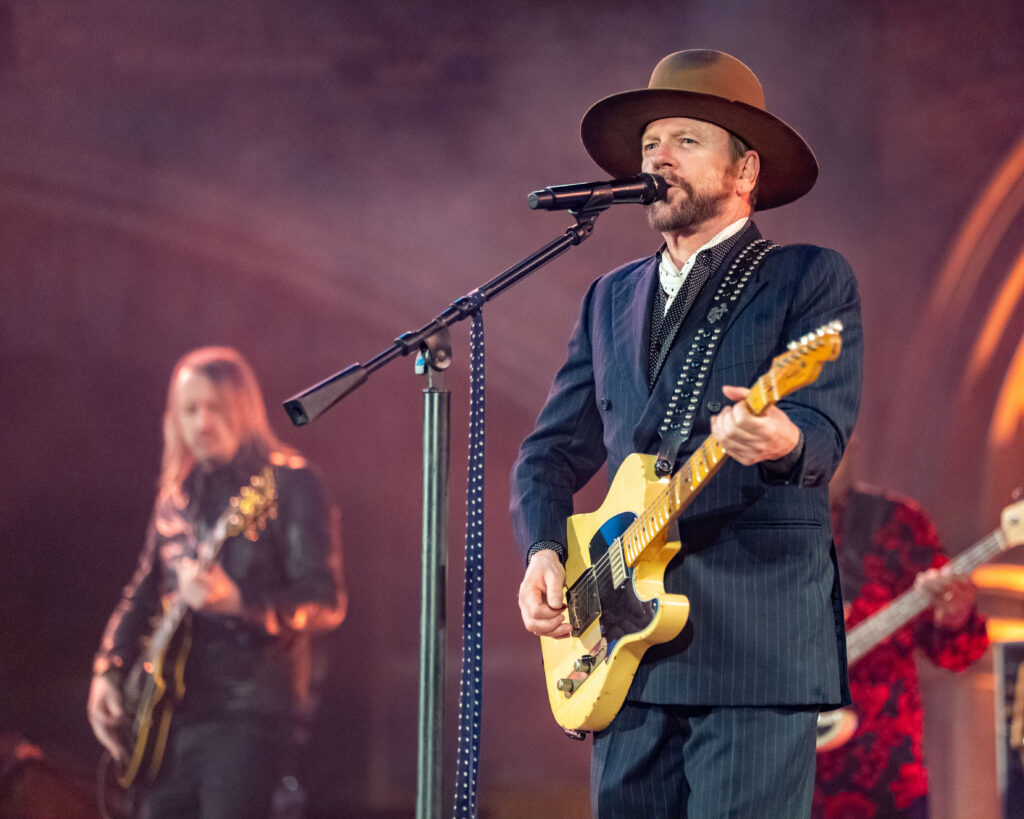
Even now there’s probably a section of people who still turn up expecting some sort of novelty act because of the name attached to it. That idea disappears very quickly once the music starts. Sutherland has spent years building a genuinely solid Americana and country catalogue, and in a venue like Union Chapel those songs were given exactly the right setting.
Walking onto the stage, Sutherland immediately paused to take in the room, calling it a beautiful venue before explaining that the set would mix songs from his latest album with tracks that had meant something to him personally over the years.
The crowd were with him from the start.
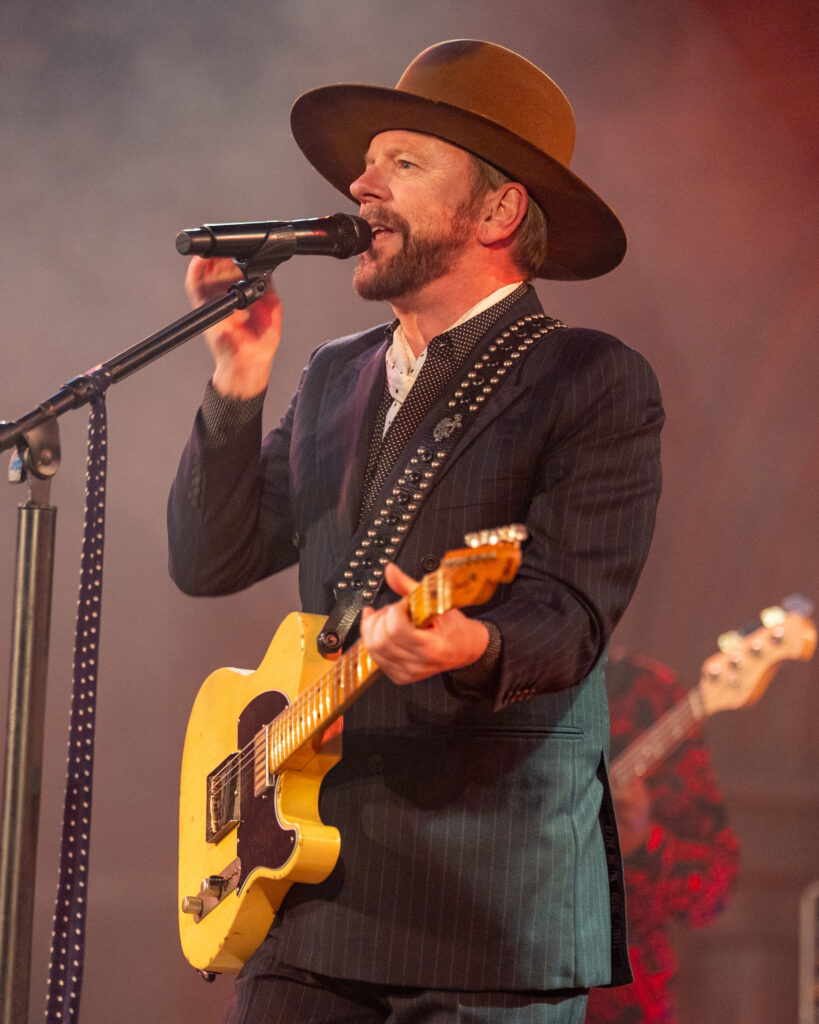
Kiefer Sutherland (Kevin O’Sullivan/Northern Exposure) 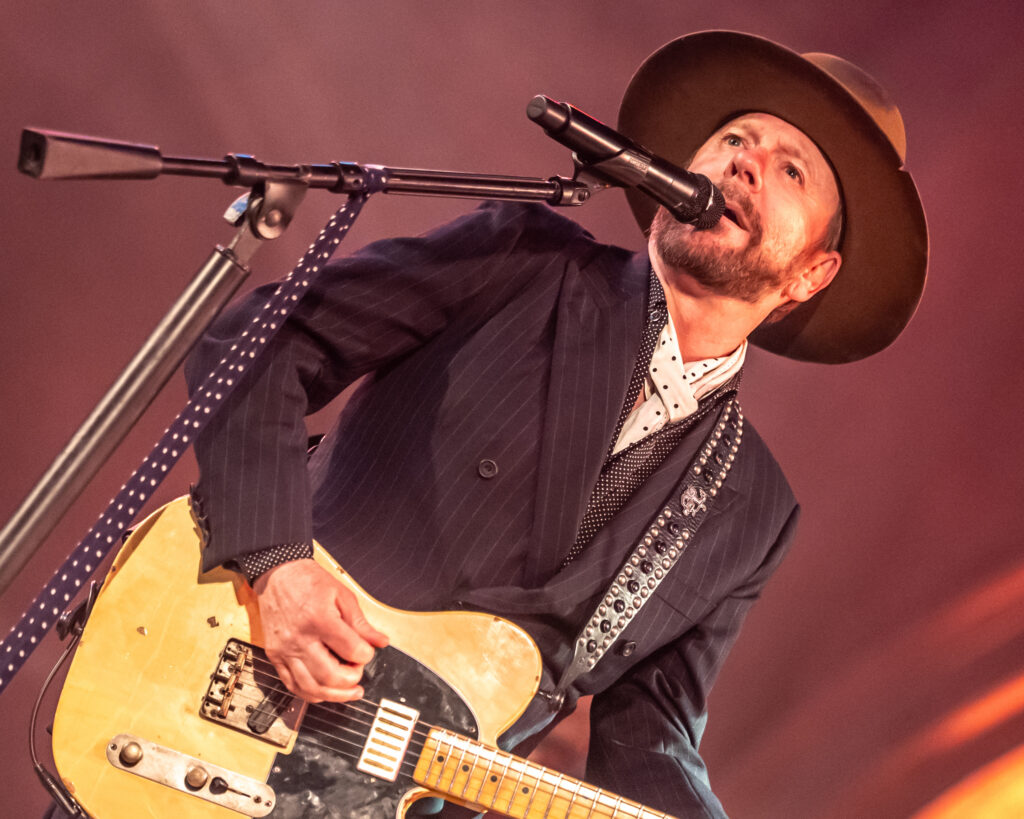
Kiefer Sutherland (Kevin O’Sullivan/Northern Exposure) 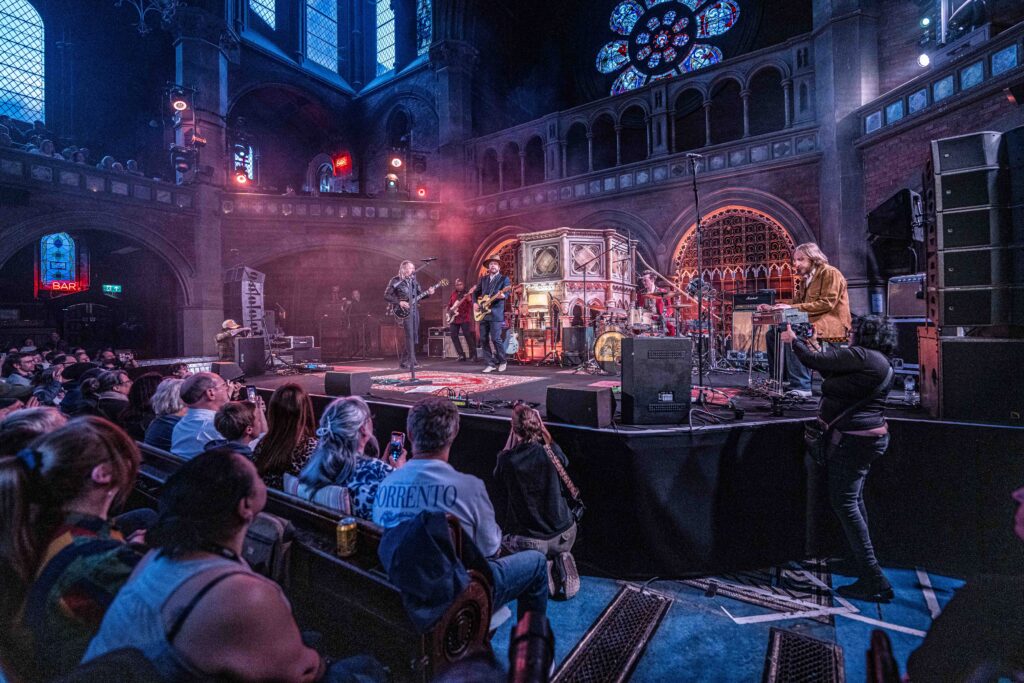
Kiefer Sutherland (Kevin O’Sullivan/Northern Exposure) 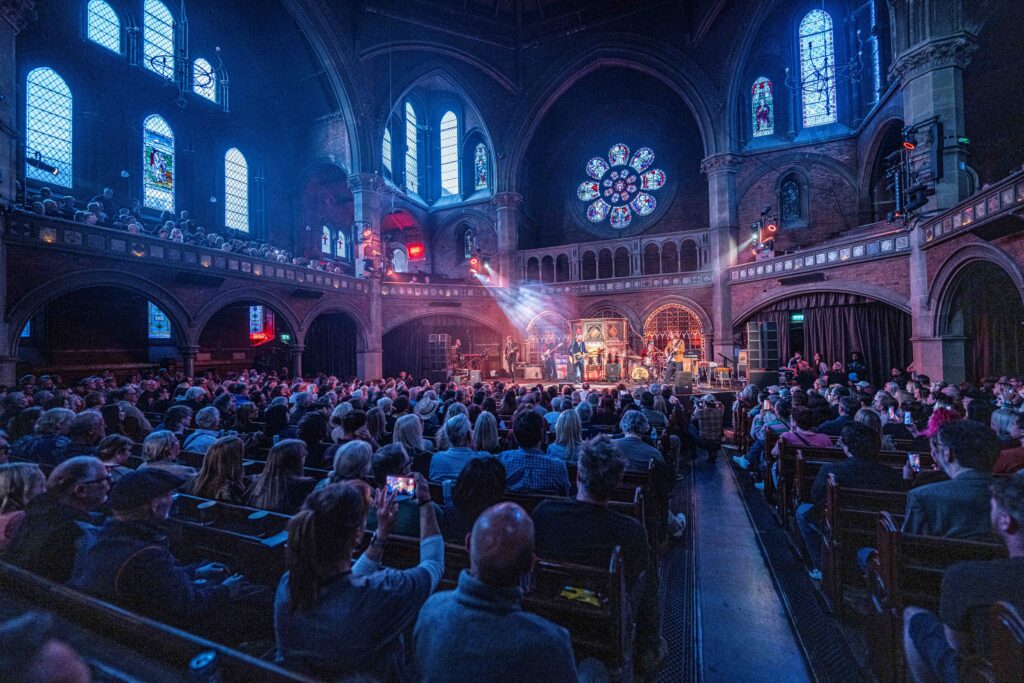
Kiefer Sutherland (Kevin O’Sullivan/Northern Exposure) 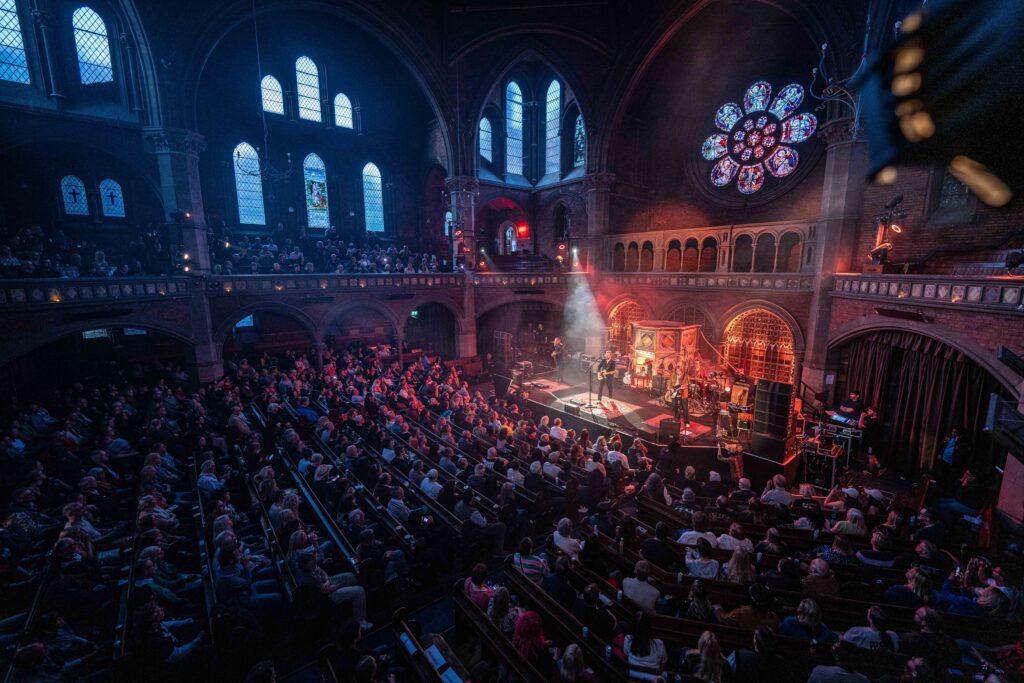
Kiefer Sutherland (Kevin O’Sullivan/Northern Exposure) 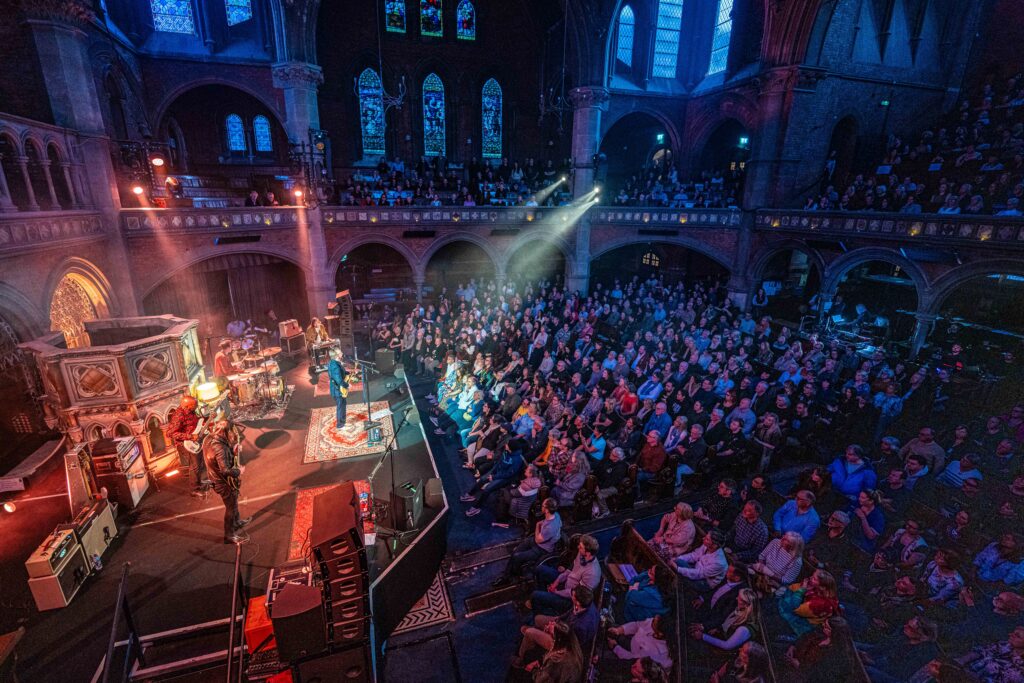
Kiefer Sutherland (Kevin O’Sullivan/Northern Exposure) 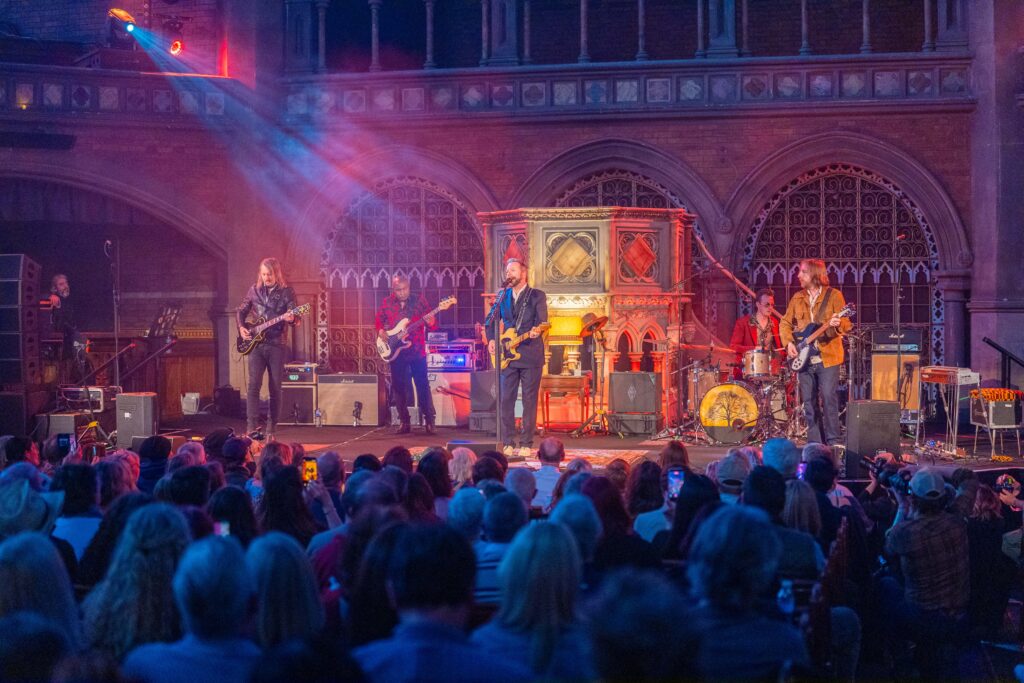
Kiefer Sutherland (Kevin O’Sullivan/Northern Exposure) 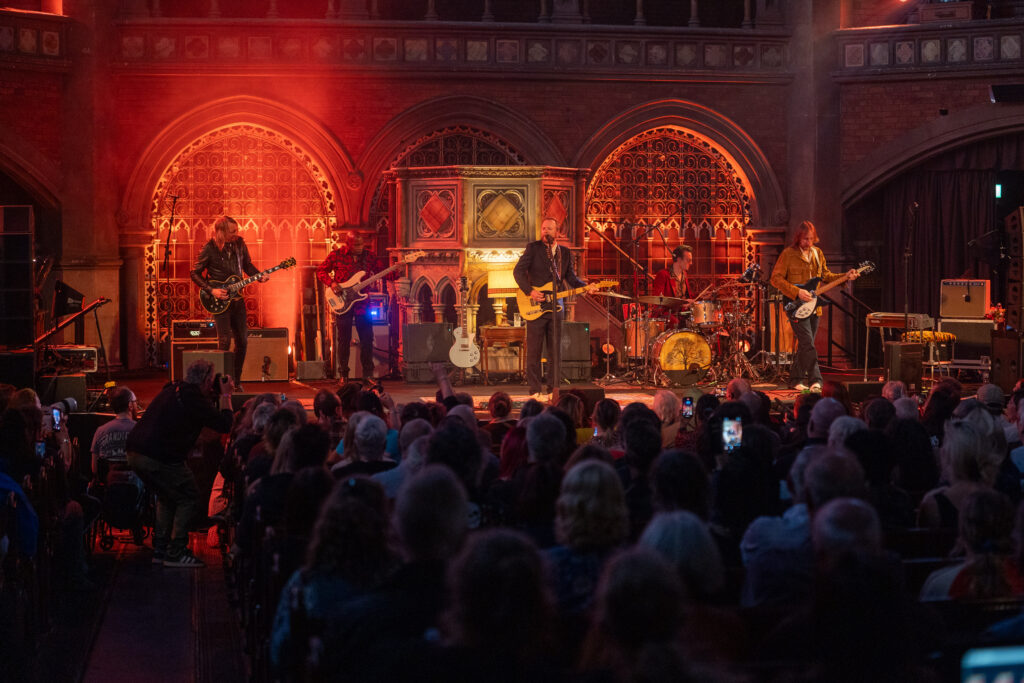
Kiefer Sutherland (Kevin O’Sullivan/Northern Exposure) 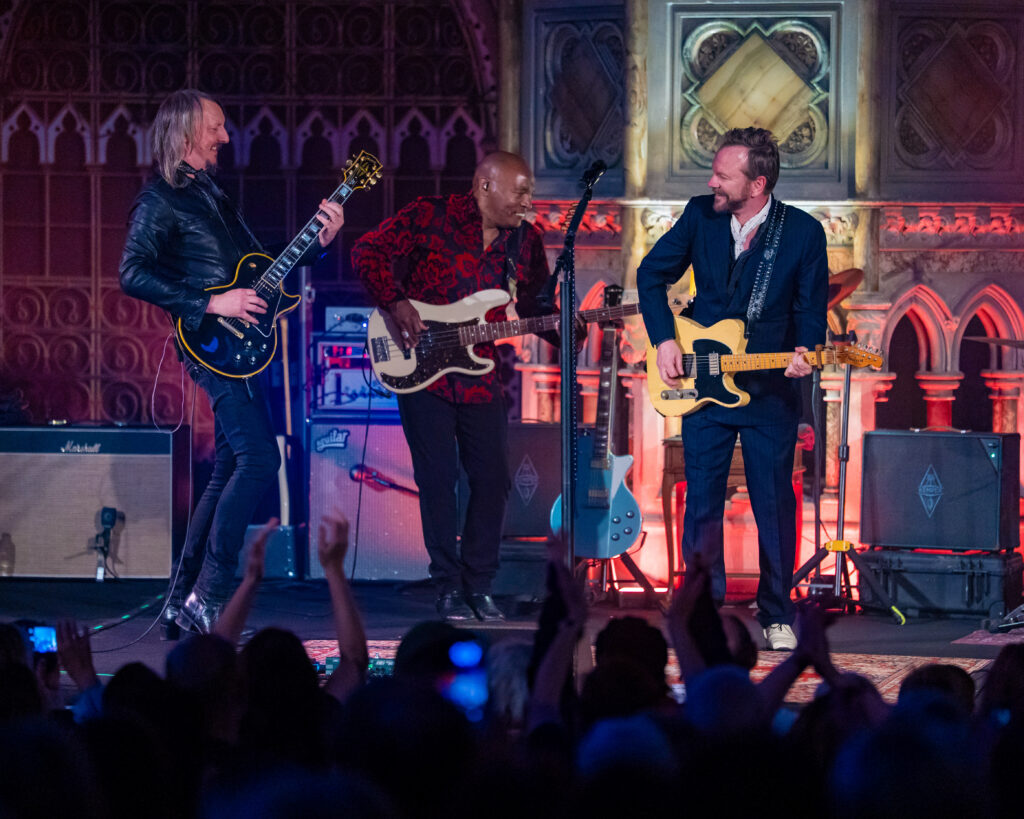
Kiefer Sutherland (Kevin O’Sullivan/Northern Exposure) 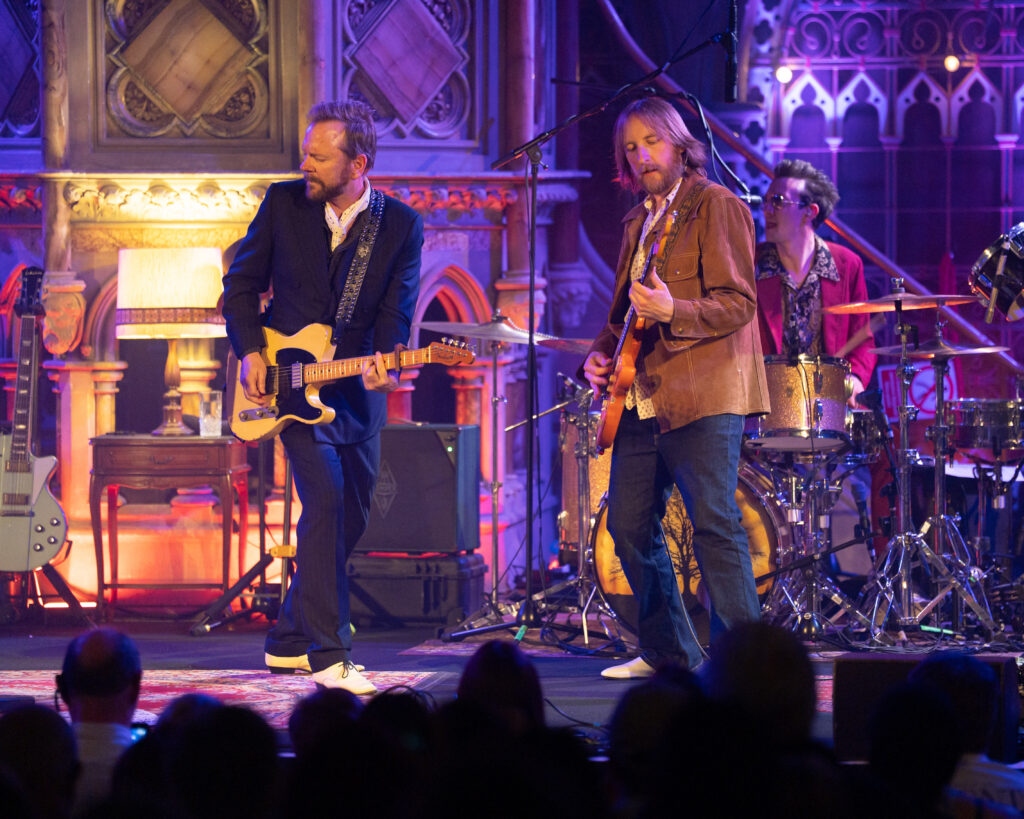
Kiefer Sutherland (Kevin O’Sullivan/Northern Exposure)
A fair few spent large portions of the night on their feet, singing along and reacting like long-time fans rather than people simply curious to see a famous actor playing music. That probably says more than anything else could.
“Goodbye California” became one of the night’s early highlights, delivered with the kind of reflective sadness that country music does so well when it’s done honestly. Sutherland’s voice has that rough, road-worn quality to it which suits these songs perfectly, especially in a venue where every lyric seems to hang in the air a little longer.
“Come Back Down”, which Sutherland described as one of his personal favourites, stripped things back even further and ended up becoming one of the strongest moments of the entire set. No over-complication. No drama. Just a very good song performed well.
Later, “American Farmer”, dedicated to struggling farmers across the United States, added another emotional layer to the evening. Again, sincerity carried it. Nothing felt forced.
That became the running theme of the night really. Sincerity.
Kiefer Sutherland (Kevin O’Sullivan/Northern Exposure) 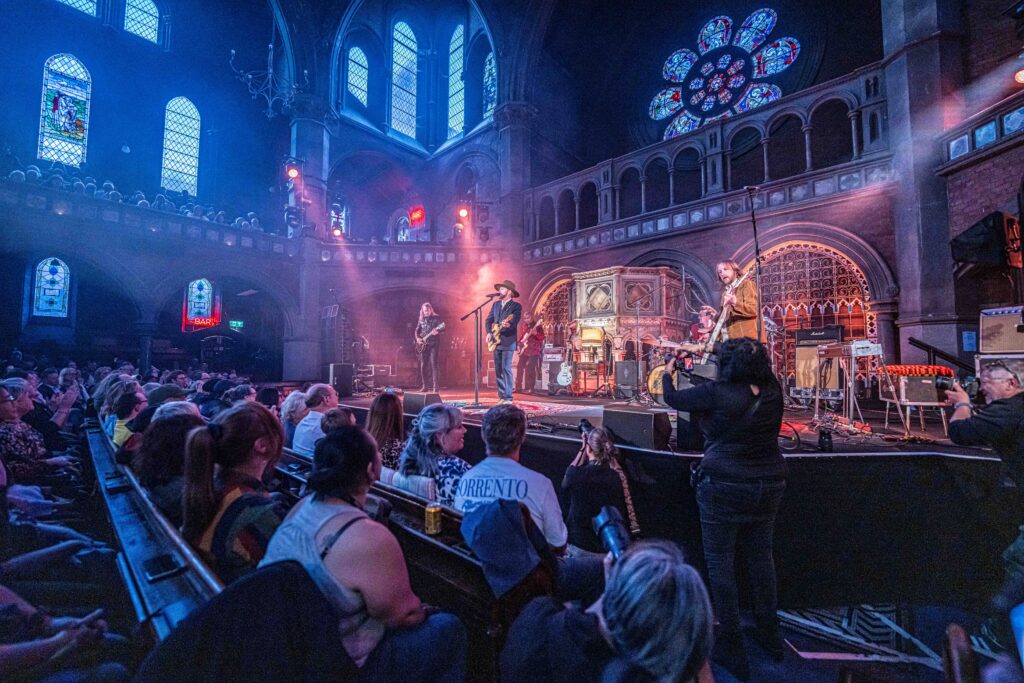
Kiefer Sutherland (Kevin O’Sullivan/Northern Exposure) 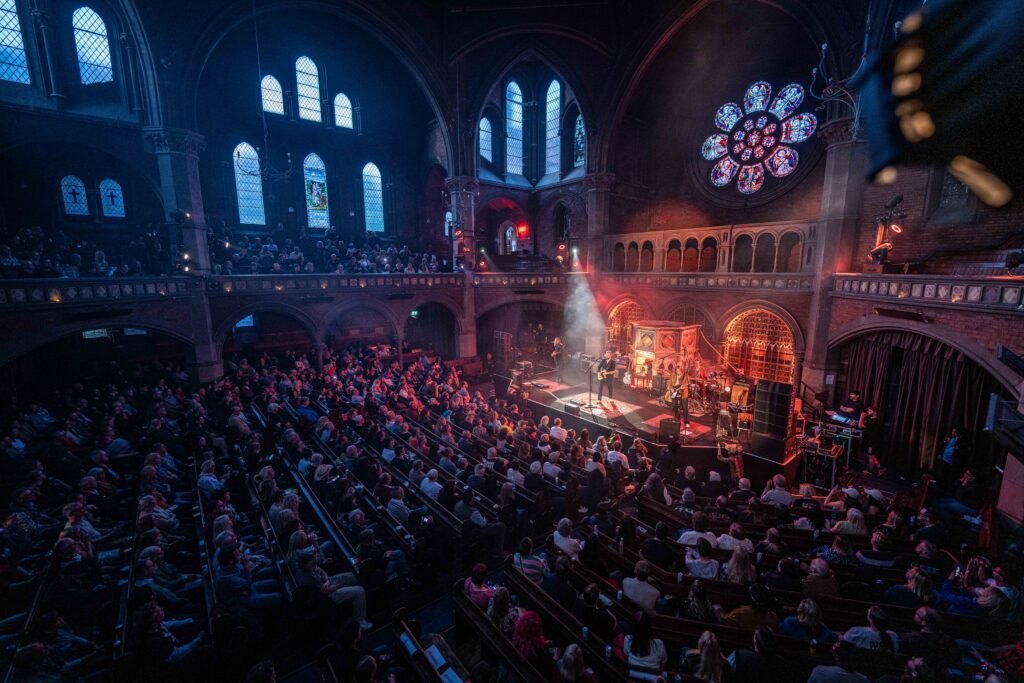
Kiefer Sutherland (Kevin O’Sullivan/Northern Exposure) 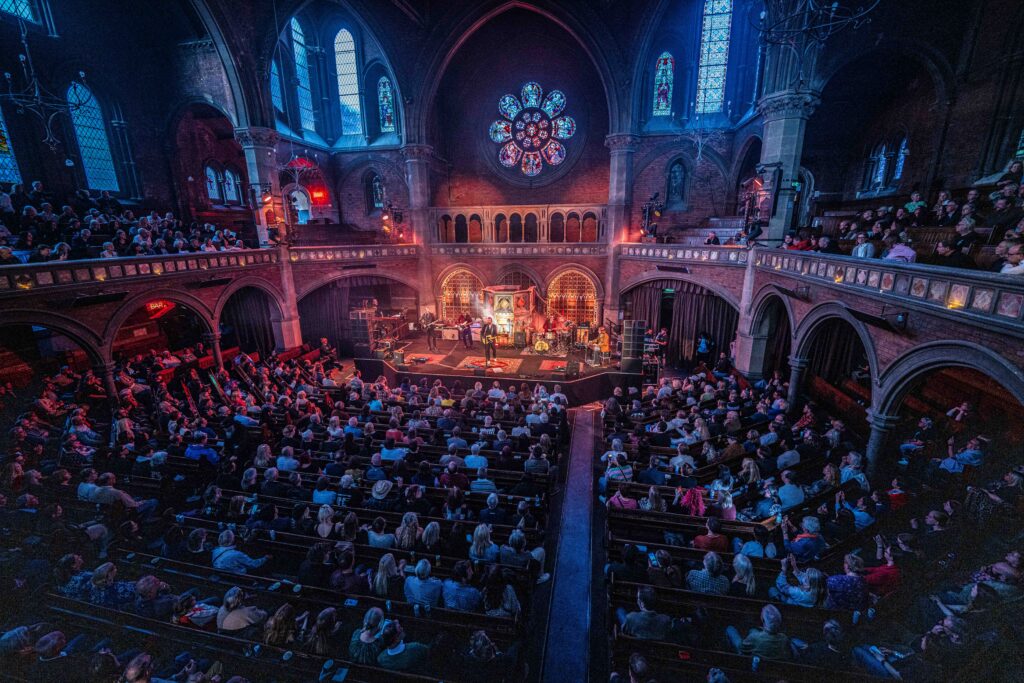
Kiefer Sutherland (Kevin O’Sullivan/Northern Exposure) 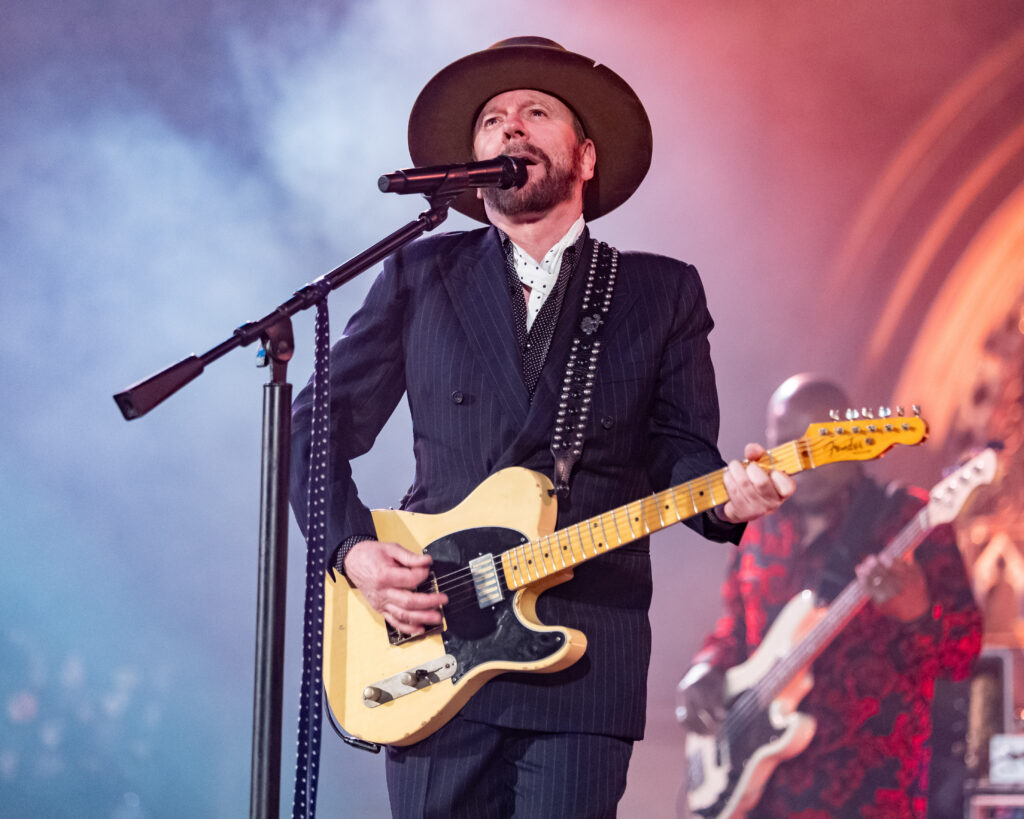
Kiefer Sutherland (Kevin O’Sullivan/Northern Exposure) 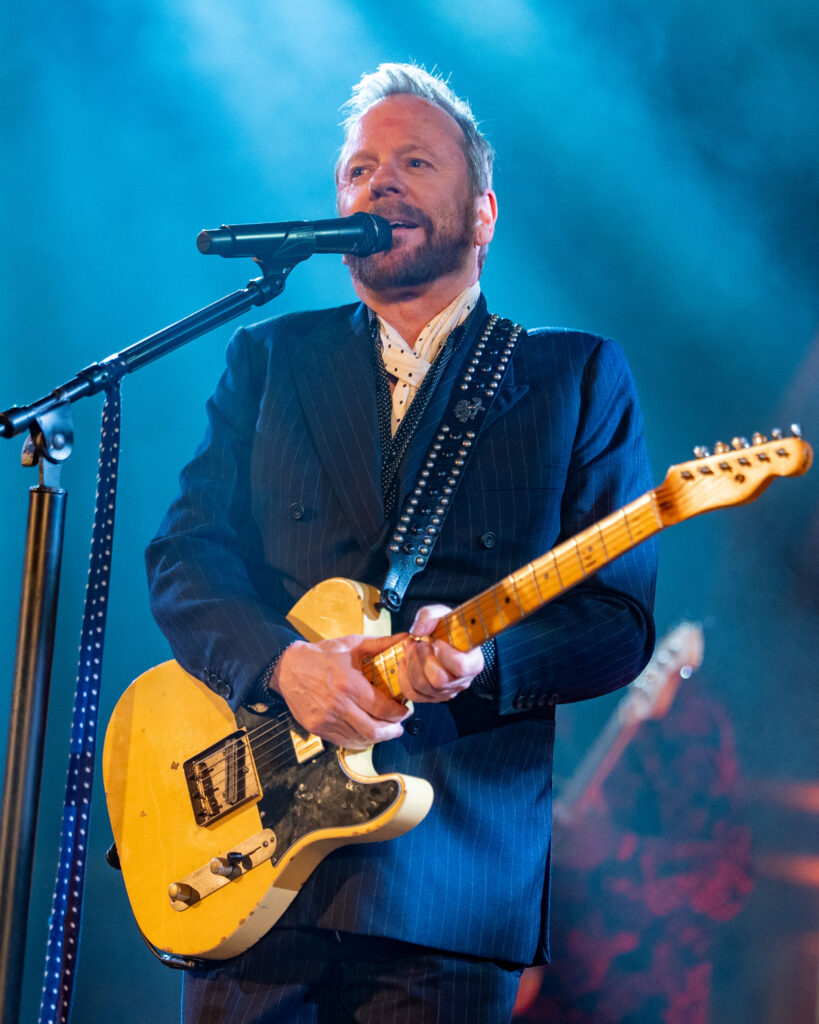
Kiefer Sutherland (Kevin O’Sullivan/Northern Exposure) 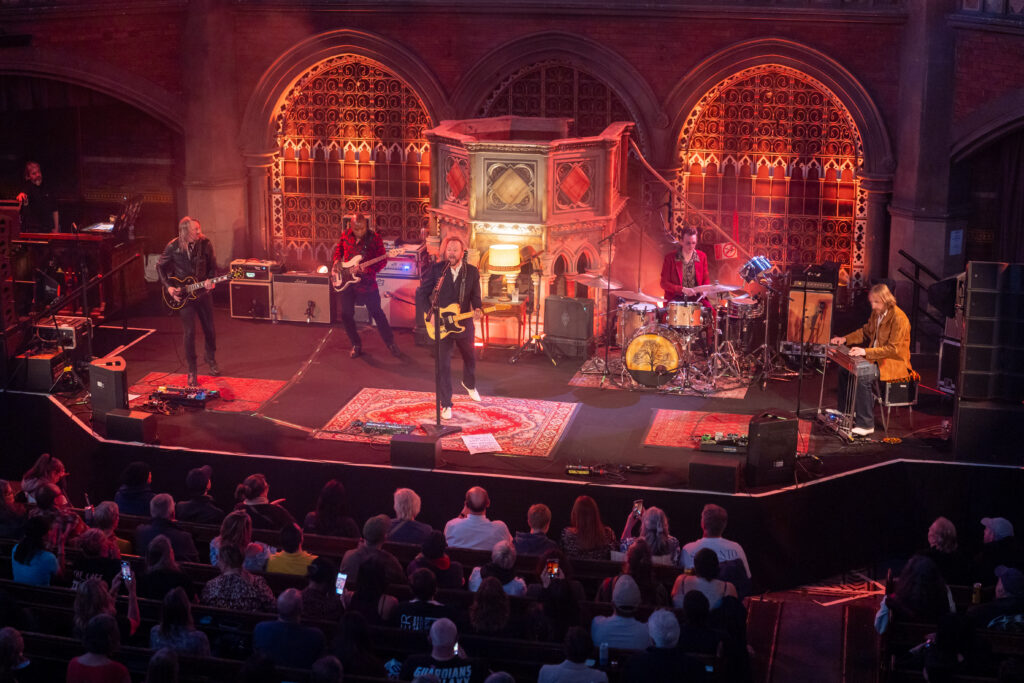
Kiefer Sutherland (Kevin O’Sullivan/Northern Exposure) 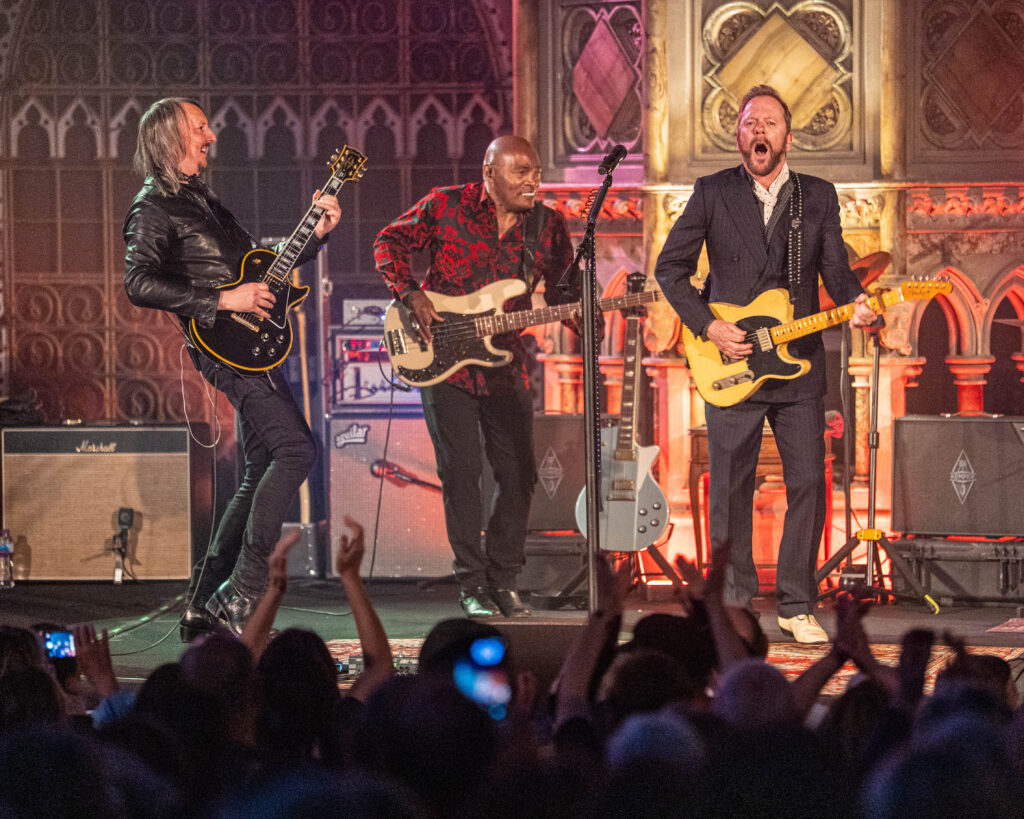
Kiefer Sutherland (Kevin O’Sullivan/Northern Exposure)
Neither artist tried to be anything they weren’t. Colin Andrew came across like a songwriter genuinely thrilled people were listening. Kiefer Sutherland performed like someone who simply loves playing these songs regardless of whatever expectations people may still carry into the room.
By the end, Union Chapel felt less like a venue and more like everyone had briefly stumbled into the same shared experience together. Loud applause echoed around the chapel long after the final songs ended, and for once it didn’t feel performative or obligatory.
People genuinely meant it.
Kiefer Sutherland will continue his UK and Ireland tour dates throughout May with remaining tickets on sale here.
MAY
16th – Glasgow, Old Fruit Market
17th – Newcastle, Boilershop
18th – Manchester, New Century Hall
20th – Belfast, Empire
21st – Dublin, Ambassador
22nd – Cardiff, Tramshed
23rd – Exeter, Phoenix
25th – Bournemouth, O2 Academy
26th – Oxford, O2 Academy
27th – Leeds, O2 Academy